

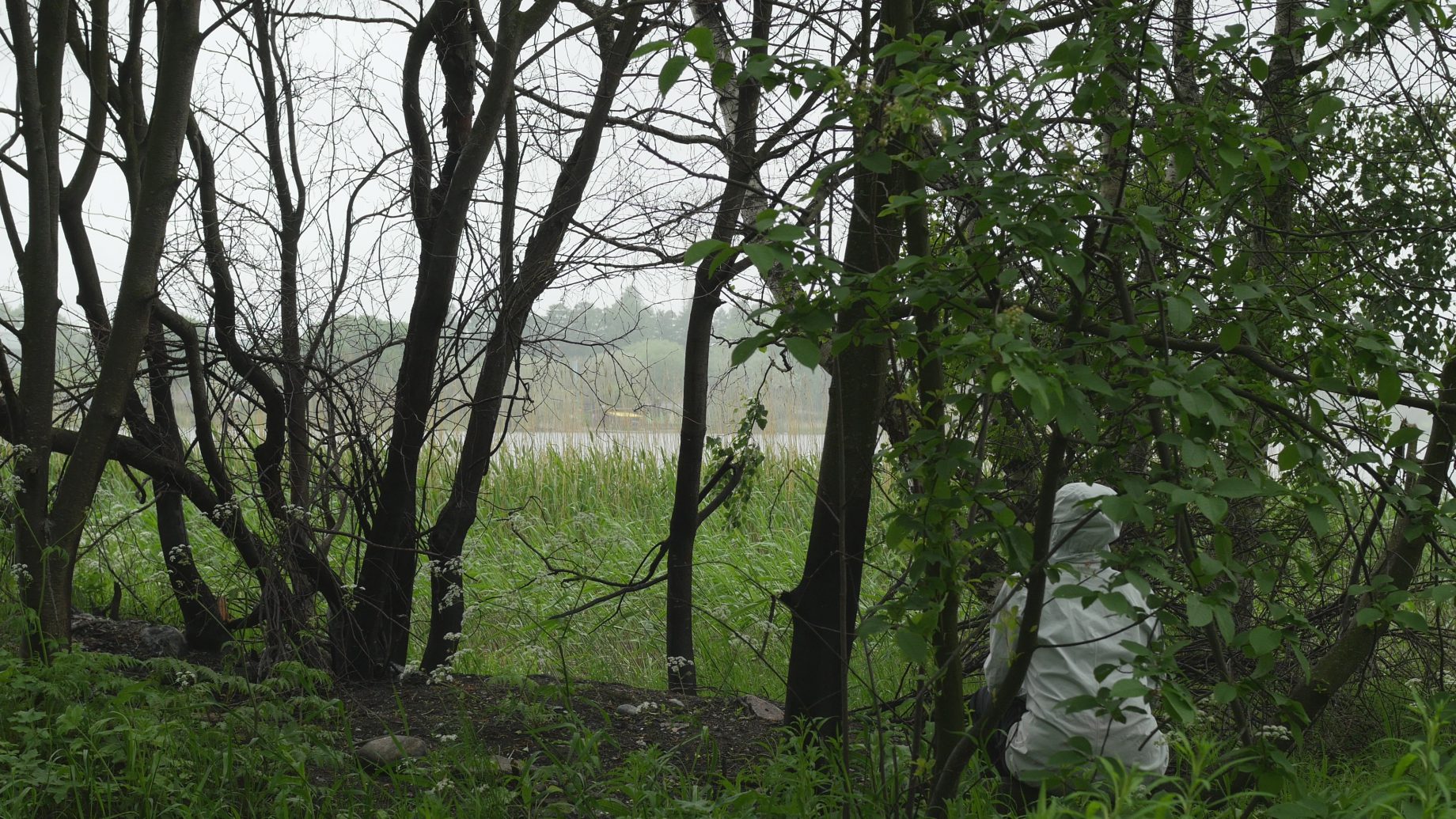
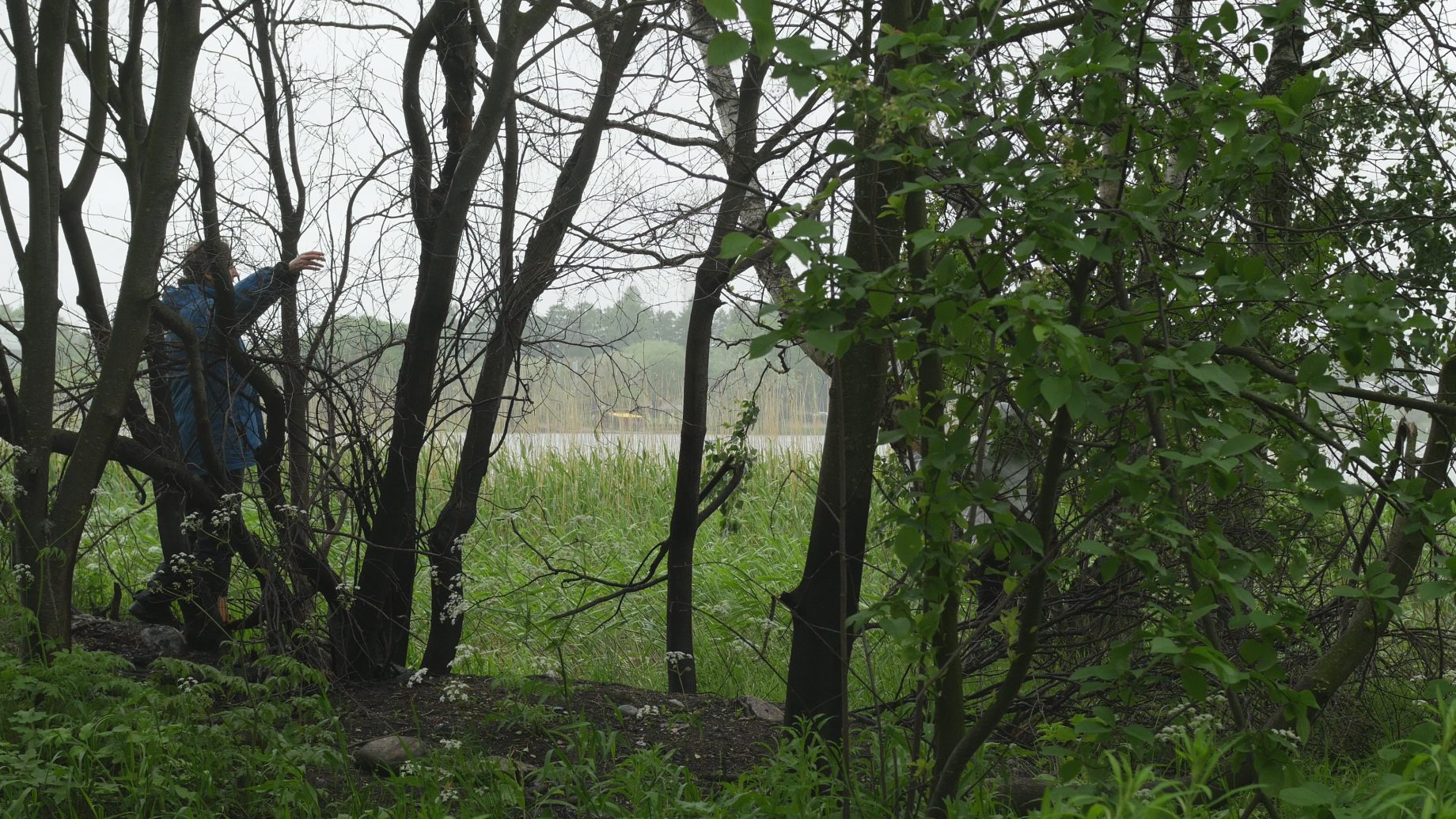
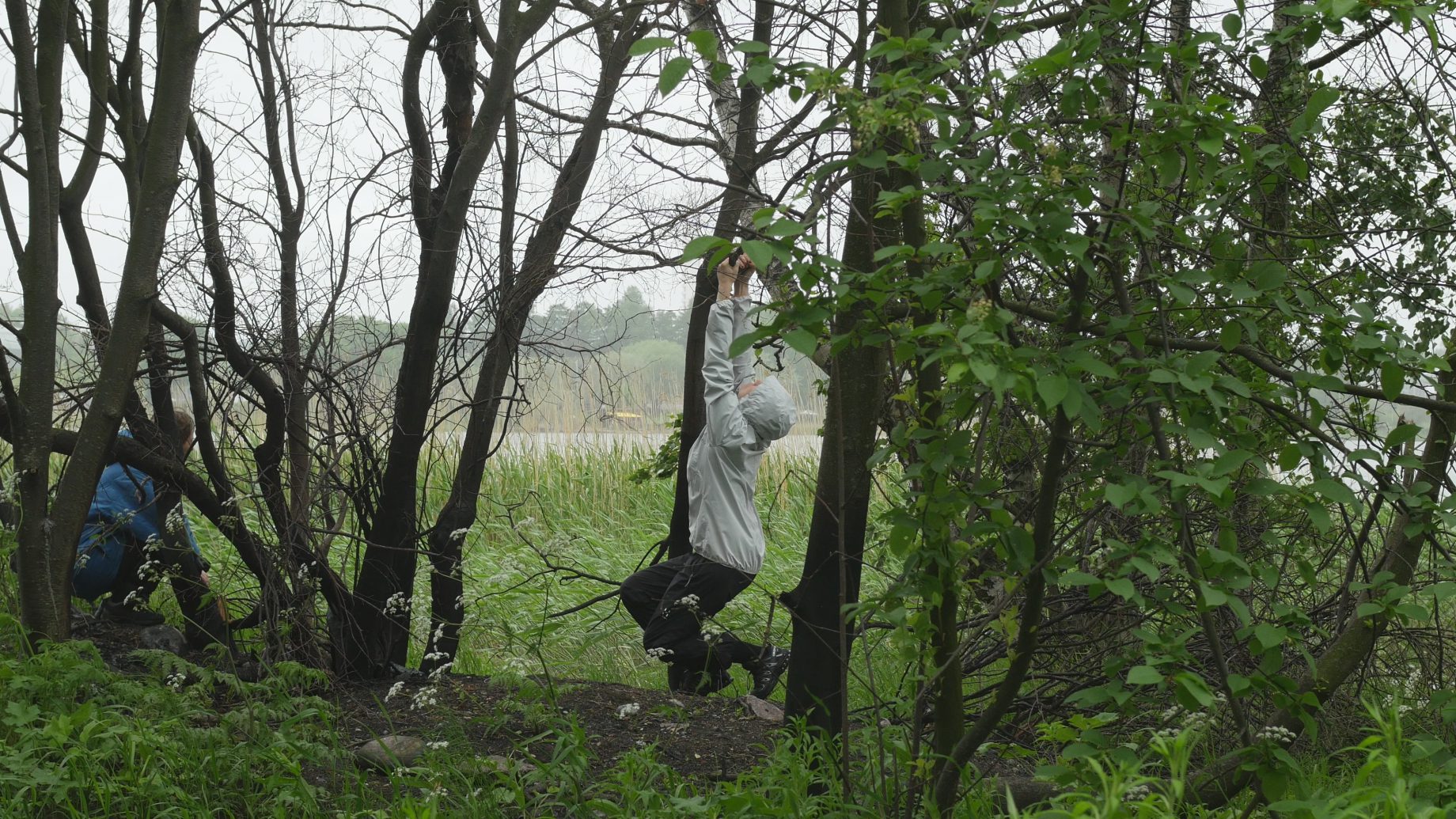
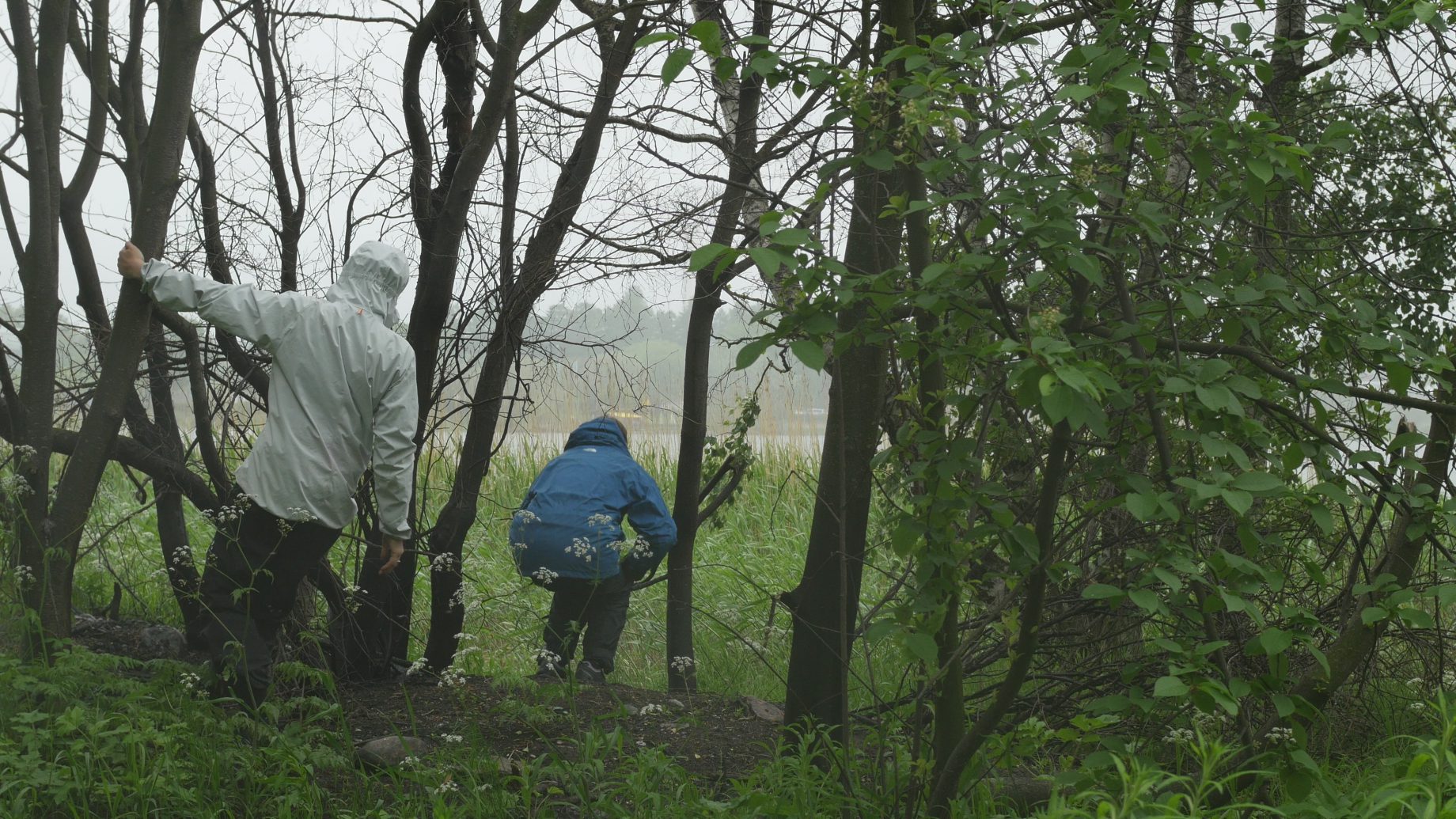
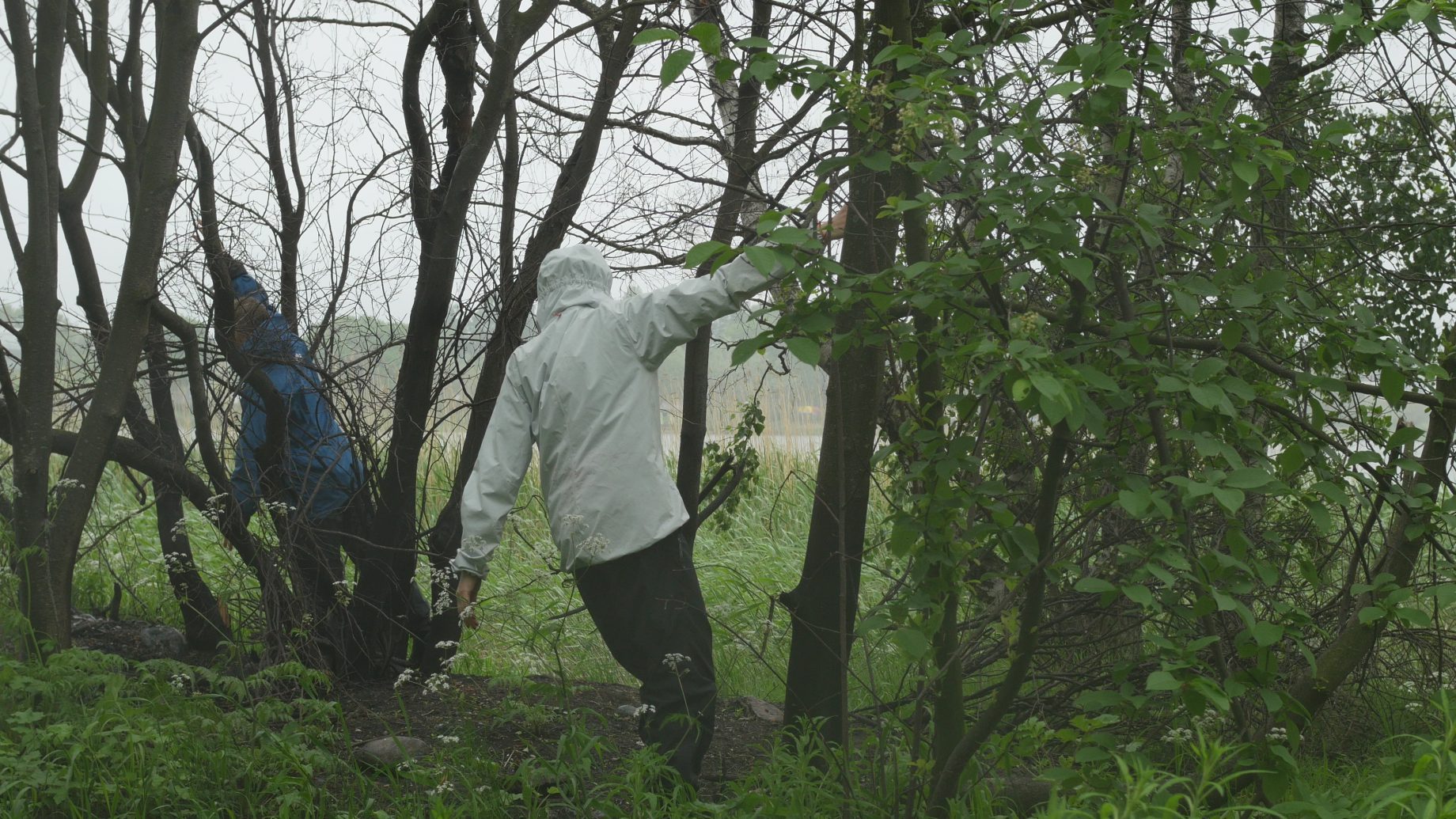
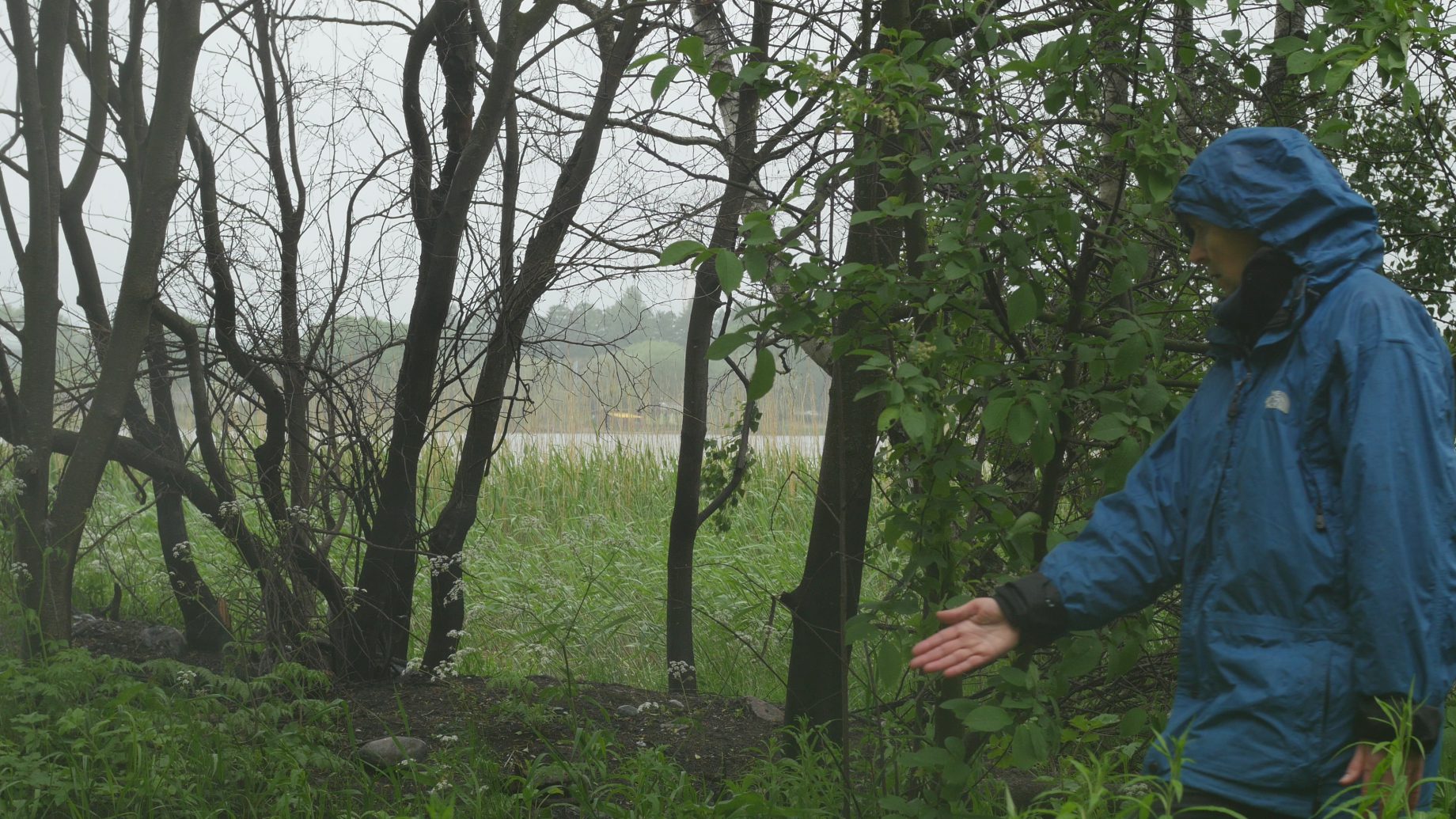
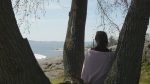
Puoli vuotta ehti vierähtää ennen kuin pääsimme uudestaan pöheikköön liikkumaan, Kirsi Heimonen ja minä, ja vielä samalle paikalle, oudolle palaneelle alueelle Töölönlahden rannassa, jossa vierailimme pakkasessa tammikuussa, ja josta on säilynyt myös blogimerkintä Kulon jäljet Töölönlahden rannassa. Paikka oli helppo löytää, vaikka se näytti todella erilaiselta kesän vehreyden peitossa ja vielä sadesäällä, mutta suhteellisen saman kuvakulman löytäminen ei ollutkaan yhtä helppoa, koska maaston kasvillisuus houkutti etsiytymään sivummalle, mutta lopulta löytyi suurin piirtein sama näkymä. Horisontti tosin oli viimeksi ylempänä, nyt asetin sen vaistomaisesti kuvan puoliväliin. Mustaksi palaneet rungot olivat entisellään ja näytti siltä kuin joku olisi sytyttänyt tulen puiden väliin, mikä vaikutti kyllä älyttömältä. Osa puista oli kuolleita, vaikkei niiden runko ollut kuin hiukan noessa, mutta voihan olla että niiden juuret olivat vaurioituneet palossa. Näkymä ei tietenkään ollut yhtä dramaattinen kuin mitä mustat hiiltyneet rungot olivat olleet lumihankea vasten. Mutta mustuneet puut tuntuivat nyt entistä enemmän kuolleilta kun kaikki ympärillä rehotti elinvoimaisen vihreänä. Liikuimme samoilla paikoilla, minä istuin matalalle oksalle jossa istuin talvella ja kiipesin jopa koivuun koska muistin sitä edellisellä kerralla yrittäneeni. Muuten liikuin nyt enemmän ja rohkeammin, ehkä lämpimämpi ilma ja kevyempi vaatetus helpottivat liikkumista, tai sitten tihkusade haastoi liikkeelle, olemaan piittaamatta siitä. Ympärillä oli vilskettä. Pullojen kerääjien joukko oli kokoontunut rannalle lähistölle, ja jossakin vaiheessa kävi mielessä, että olimme ehkä valloittaneet heidän vakiopaikkansa. Polkupyörälähetti kävi rannassa kääntymässä, kuin joku olisi tilannut ruokaa leiripaikalle. Sateen kiihtyessä poistuimme vähin äänin paikalta, kumpikin taholleen ja totesimme lyhyesti, että jatketaan. Poimin videolta muutaman stillkuvan, joista saa ehkä jonkinlaisen käsityksen:


All posts by Annette Arlander
Mitt i grönskan
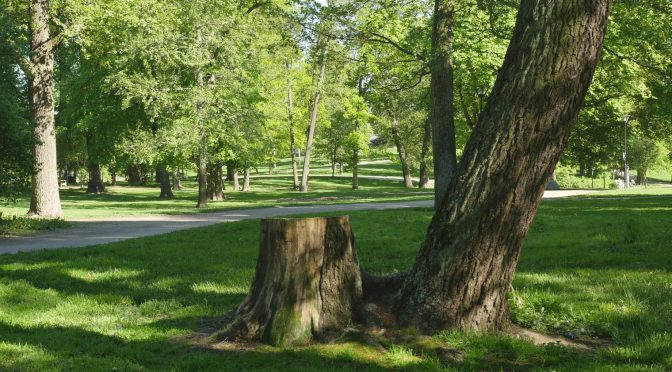
Grönskan kändes nästan överväldigande efter en veckas paus i och med ett besök i Hamburg. Almens grenar hängde tunga av löv och frön och gräset i sluttningen omkring hade vuxit sig högt, för det ligger lite på sidan om de välklippta gräsmattorna. Efter en inspirerande PSi (performance studies international) konferens var det skönt att återgå till vardagen och jag besökte träden både på tisdag och onsdag morgon utan malörer. Då jag tagit den första bilden med almen på torsdagen larmade kameran plötsligt att batteriet höll på att ta slut och jag sträckte mig efter reservbatteriet i kameraväskan, men fick tag i en tom liten plastpåse. Inget batteri, ingen laddare, hade jag lämnat dem hemma? Men jag bytte ju batteri när vi var ute med Kirsi dagen innan? Nej, det var minneskortet jag bytte då… snabbt hem, det fanns inget annat att göra. Eller, nej, jag kunde ju använda slut batteriet och ta en bild så långt det gick, så jag gjorde det. Men för alstubben fanns inget batteri kvar. – Hemma letade jag överallt och försökte minnas var jag sett laddaren senast, och det var ju i Hamburg. Jag hade antingen glömt laddaren med batteriet i på hotellet, eller vilket var ännu troligare, i rummet där vi möttes med arbetsgruppen för konstnärlig forskning på Kampnagel. Den sista dagen försökte jag spela in diskussionen, och då hade jag bytt batteri. Så det var troligt att laddaren blev där när vi skulle skynda ut innan nästa grupp kom in. Så vad göra? Skaffa en ny laddare så snabbt som möjligt. Med det gamla batteriet som modell skyndade jag mig till Rajala Pro i centrum, sedan till Verkkokauppa i hamnen och därifrån ännu till telefoto, en liten butik på Elisabetsgatan. Där hade de en universalladdare som fick duga. Jag satte den i arbete med att ladda kamerabatteriet på mitt arbetsrum vid Helsinki Collegium for Advanced Studies medan jag rusade iväg till Skatudden. För nu var det dags för Pekka Kantonen’s disputation. Jag hade läst igenom manuskriptet till hans bok Generational Filming. A Video Diary as Experimental and Participatory Research då jag var professor i konstnärlig forskning på bildkonstakademin förra hösten, och var nyfiken att höra diskussionen. Boken finns att tillgå i Helda, här, och den finns i sin helhet, inklusive exempel på videomaterialet, på research catalogue också, här. Även om Kantonens familjeprojekt skiljer sig rätt mycket från det jag gör,finns det likheter också, som till exempel betoningen på vardagen och processen. Mellan disputationen och festen på kvällen hann jag hem för att byta kläder, och för att besöka alen i parken också, som faktiskt såg rätt annorlunda ut i eftermiddagsbelysning. Huruvida jag skall försöka få tillbaka laddaren och reservbatteriet från Hamburg, har jag inte bestämt ännu. Det gäller att avväga ifall det är värt besväret att försöka utreda var den finns, med tanke på transportkostnaderna. Men i varje fall blev det tre dokumenterade besök hos almen och alen igen – mitt i grönskan.




June – Month of the Hawthorn
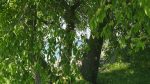
After spending quite some time trying to find alternatives to the old hawthorns in the Observatory park I nevertheless decided to perform the image of June for the Tree calendar there. I remembered the hawthorns from 2010 when I was preparing the small audio work In the Shadow of a Hawthorn for Olohuone (Living Room) urban festival in Turku. (The work is fairly well documented on the Research Catalogue). At that time I read all I could find about the various types of hawthorns growing in Finland. Thus I was quite sure I would still recognise a hawthorn even before they were in bloom. Of the four types of hawthorns that I chose to work with in Turku at that time at least two could be found in the park in Helsinki now. The small old hawthorn trees on the slope with their twisted trunks were of the species Crataegus Rhipidophylla, I suppose, while the hawthorns that formed a hedge on the panorama spot were probably of the common type used in hedges, Crataegus Grayana. Some hawthorns of that type were growing uncontrolled on the slope near the street to the south of the park, and there I also found a beautiful small tree or actually a large bush with several trunks growing from the same root, right by the sidewalk, an example of Crataegus Monogyna, as far as I could judge. I chose that one and the hedge as my partners on Tuesday evening and decided to return in the morning when there would be less people in the park and a better light.

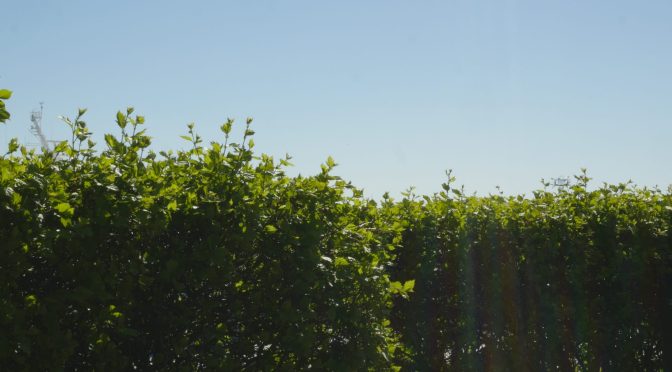
On Wednesday morning, after visiting the elm and the alder as usual, I walked up to the panorama spot in the park and placed my camera on tripod in such a manner that neither the nearby tree on the left or the rubbish bin on the right were inside the image frame. To my great surprise the huge boat that had arrived into the harbour below was not visible in the image. I made a few try-outs to find the right spot to stand in, on the steps in the opening of the hedge, placed my weight evenly on both feet and took hold of a branch of the hawthorn with my right hand, ready to stand there for ten minutes or so. But of course some groups of people appeared from nowhere and wanted to go down to the terrace below. Luckily I was standing close to the hawthorn so they could pass behind my back.
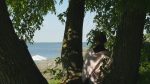
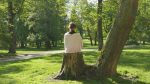
The other hawthorn was not as easy to pose with. I did not find a comfortable way to sit on it or lean on it but placed myself between the trunks somehow, keeping myself there by pressing my feet to he ground and my back to one of the trunks, avoiding the thorns. I tried to stay there in a half laying position, looking at the confused tiny ants climbing up and down along the trunk. I could not hold that position very long, for although it looks comfortable in the image it was rather painful to maintain. And this time, too, there were some passersby entering the image, while using the tiny path behind the hawthorn: a woman with a dog seemed to park there for ever. But perhaps some passersby are refreshing, after all. While editing I have to see whether the image is more interesting with or without these “intruding” figures. The important thing is that I managed to create something before the end of the month of the hawthorn, 12 of June, at least following the variation of the calendar that I have used so far.
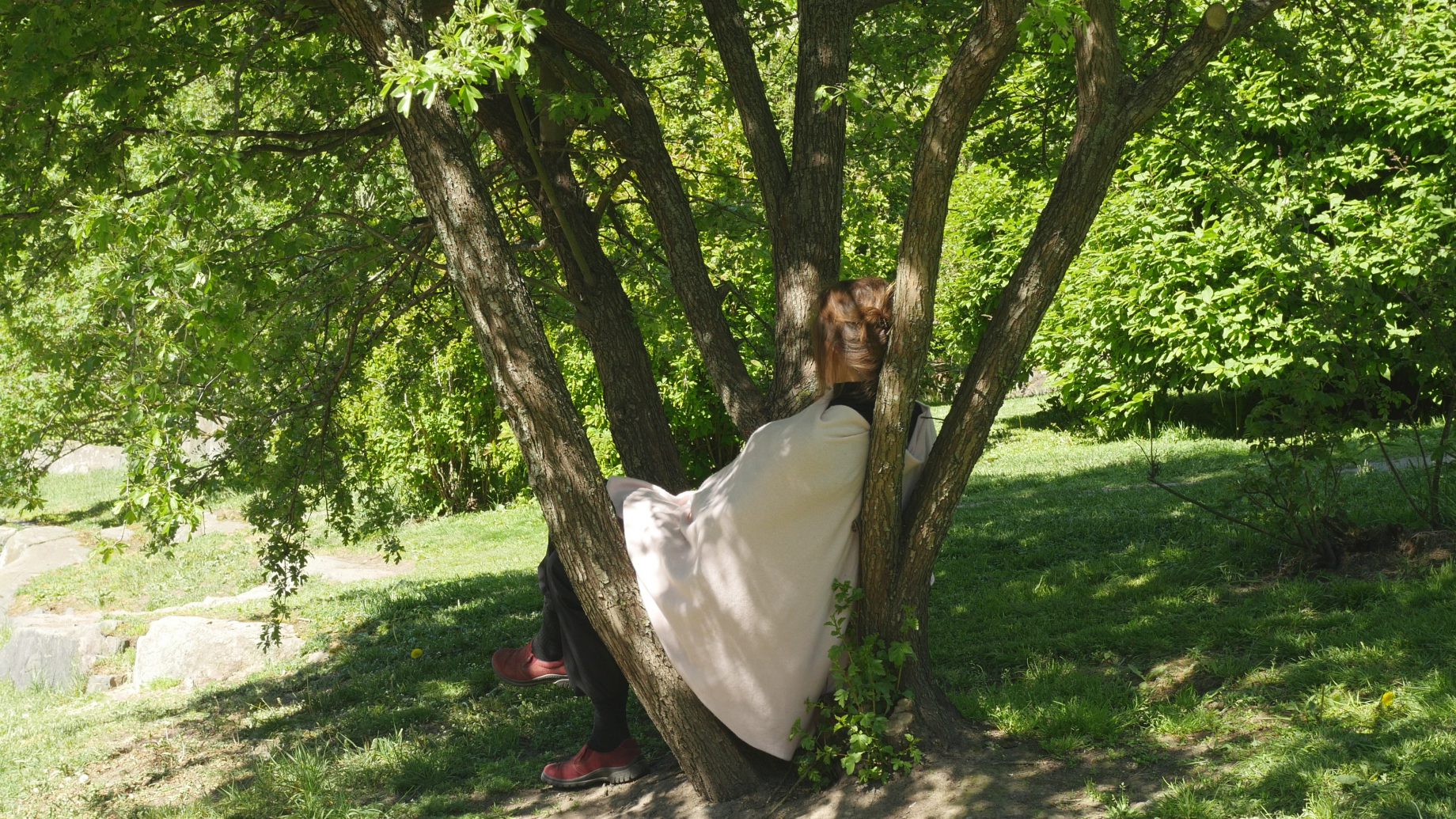
Returning to edit these notes in Hamburg, after an enjoyable and exhausting PSi (Performance Studies International) conference on the theme of Overflow in the premises of the legendary Kampnagel, that morning with the hawthorns only a few days ago feels strangely distant. Already tomorrow, however, I will return to the vicinity and take up my practice of visiting the trees again.
Excess and Overflow of Artistic Research
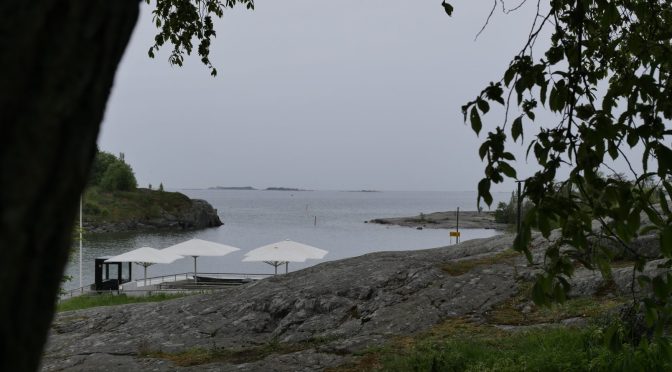
Three mornings in Helsinki, sun on two of them, which is not so bad after all. Tis is one of the most previous times of the year, “mellan hägg och syren”, as they say in Swedish, literally between bird cherries and lilacs. Not all bird cherries are blooming yet, but most of them, while the lilacs are only opening slowly. On Monday morning in rainy weather I was fascinated by the difference in the view from my place under the elm ( see image above) and the view for the camera from the place for the tripod, either up on the slope or then next to the rock closer the elm. But on Tuesday and Wednesday when the sun was shining I forgot all about it and simply enjoyed the season.

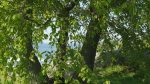
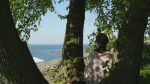
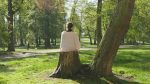
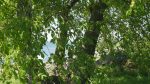

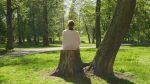
The leaves of the elm are hanging low and really hide me well in the first image, which is alright and gives some variation to the series, although i did not plan it. On Wednesday there was a woman in a red cap sitting and drawing on the rocks, and she inevitably came to perform in these images, too. My thoughts were on the trip to Hamburg later in the afternoon, to join PSI #23 Overflow there. The Performance Studies International conference is a yearly occurrence somewhere in the world, and for some years now I have been engaged in the Artistic Research Working Group with Johanna Householder and lately also with Bruce Barton. We are going to have three sessions with short presentations by artists and researchers, titled Excess and Overflow of Artistic research, and I am going to present this project there as well. I actually made a compilation of all the snapshots I have posted on tumblr so far in the blog of images called Year one with plants. There I take one image of a plant each day, and in the winter months it was harder than I expected. But this time of year there is a profusion of vegetation everywhere, the difficulty is in choosing.

Ljud och bild
De tre besöken hos almen och alen i Brunnsparken förra veckan, på måndag, tisdag och onsdag, känns avlägsna nu då jag skriver om dem i Linköping. Här deltar jag i ett tvådagars seminarium kallat Plantarium: Re-Imagining Green Futurities, som handlar om relationerna människor och växter emellan. Jag ville delta bland annat för att höra Michael Marder tala, eftersom jag uppskattat de texter av honom jag läst. Men jag har redan fått ta del av mycket annat intressant också, och idag skall vi arbeta i små grupper, vilket innebär mer diskussion som alltid är givande. Det är så fullt av inspirerande impulser att det känns svårt att skriva om det som hände för bara ett par dagar sedan. Men det är kanske just därför som det är viktigt att sitta med träden ibland, helt enkelt för att varva ner och samla sig. – Det nya under mina besök den här veckan har varit, förutom sommaren som definitivt anlänt, en fokusering på ljudet. Jag bestämde mig för att äntligen lyda rådet från kolleger och använda en extern mikrofon med mikrofonskydd för att minska det grova oljudet som förorsakas av vinden. Och redan det gjorde att jag blev mera medveten om ljuden i omgivningen. En nackdel med mikrofonen är, att den tar plats i kameraväskan, så jag har fått lov att byta till min gamla stora väska som är rätt klumpig att släpa med sig. Men man får väl hoppas att resultatet är mödan värt. Det är klart att jag glömde bort att sätta på mikrofonen en gång, och fick ta om allting, men det var inte så farligt. Det hamnar jag ofta att göra om jag glömt att kolla ifall det finns energi kvar i batteriet, som sedan tar slut mitt i inspelningen, eller ifall jag glömt att tömma minneskortet som sedan blir fullt mitt i inspelningen. Jag brukar inte titta eller lyssna på inspelningarna och lägger upp bara stillbilder från videon som dokumentation på projektsidorna i Research Catalogue, eller här i mina blog anteckningar. Men de senaste dagarna har det varit ovanligt mycket oväsen runt parken. Det är inte bara fåglarna som hörs, de börjar de facto lugna sig så småningom. Mest är det trafiken och vägarbetena som låter. Nedanför almen vid strandvägen, som officiellt heter Ehrenströmsvägen, är det vägarbeten på gång, och på parkgatan vid alen håller de på med byggnadsrenovering. På onsdag morgonen tog jag faktiskt fram min telefon och spelade in en bit av bullret där innan jag gick min väg. Och det kan man lyssna på här: .





An Elm Tree After All
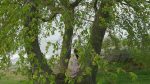
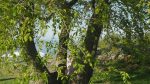
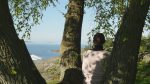
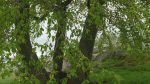
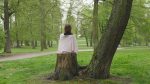
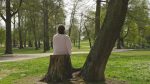
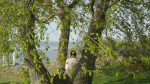
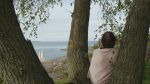
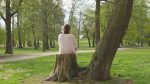
In ten days the trees in the park had really changed, and had rather big leaves now. Already during my last visit the flowers of the tree up on the hill revealed that it is an elm, and now when the leaves have come out there was no doubt about it. Elm trees grow only planted in Finland, so it is not as familiar to me as some other deciduous trees. All the elms I’ve seen before have been solitary or planted in rows and therefore this group of five trunks from the same root deceived me to assume it was some type of willow. And the way some small branches are growing directly out of the trunk near the ground made me think of a linden tree. Anyway, an elm is an interesting acquaintance. I visited the tree on Thursday and then again on Saturday, after a rather busy week. Not only did I travel to Oslo for a meeting directly when returning from Venice, where the research project How to do things with performance? organised a two-day event at the research pavilion called Accessing Performance. Preparations for Art Fair Finland 2017 were in full swing and I had to go there and set up my contribution, a four-channel version of the video installation Solsidan, which I made while staying at Solsidan in Stockholm during the winter 2015-2016 and which I have not shown anywhere else before. The video projectors were difficult to place and my media players are made for home use and not really reliable when running nonstop for days, but somehow I managed to set it up.
Sometimes everything seems to happen at the same time, and these days have been like that. There was an editorial board meeting and a pre-examination board meeting and on Saturday there was a non-human seminar (in Finnish) organised at Reality Research Centre, where I had promised to contribute in one of the panels. And there was an opening of an exhibition of self-portraits called Me: Self-portraits Through Time in Kunsthalle Helsinki, where one of my works was shown, too. I was very happy to be included in this large group of historical and contemporary Finnish artists, although I never thought of the work they had chosen as a self-portrait. Year of the Rat Uphill – Downhill from 2009 is recording time passing and the changes taking place in the environment while I am walking down the stairs to the northern shore on Harakka Island, and back again, once a week for the duration of a year. And why not, since I am the person walking, you can of course say it is a self-portrait. In short: sitting with the elm tree and the alder for a few minutes these two mornings felt really important and invigorating in the midst of all the hustle and bustle. Not only people but the trees and all the vegetation around is buzzing with life at this time of year.
In A Roundabout
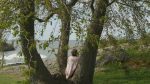
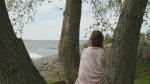
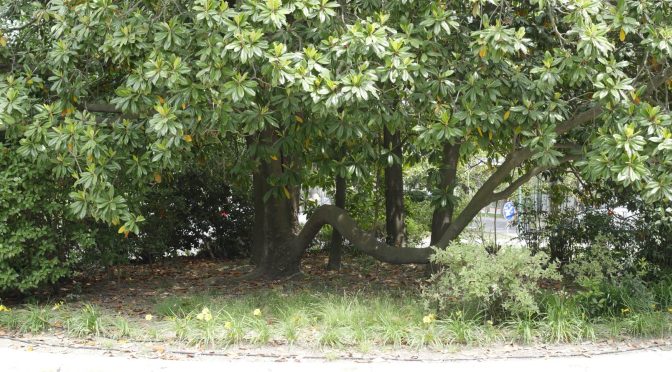
The first “free” day in a while, and a sunny one, yesterday, on Lido di Venezia, seemed like an invitation to take a walk with my camera, tripod and scarf to see if I could find a tree to perform with somewhere on the shore. The previous days I had spent on Giudecca from morning til night engaged in an event called Accessing Performance, as part of the Camino Events related to the Research Pavilion organised by University of the Arts Helsinki and many others. The event was inspiring, but now I needed a break. So I walked and walked, enjoyed the fresh summer and admired the pine trees leaning here and there. Some of them were supported by huge crutches, so I realized I should not increase their burden by trying to sit on their trunk. And the background with rows of bath houses would not have been very exciting either, so I decided to return to the hotel. On my way back, crossing the street, my eyes fell on a strange tree in the roundabout, or rather a thick branch extending close to the ground, almost like the trunk of a giant elephant. The tree looked inviting simply because of that large very low bending branch. That is a place to sit, I thought, and immediately decided to try, despite the strange location in the middle of the roundabout.

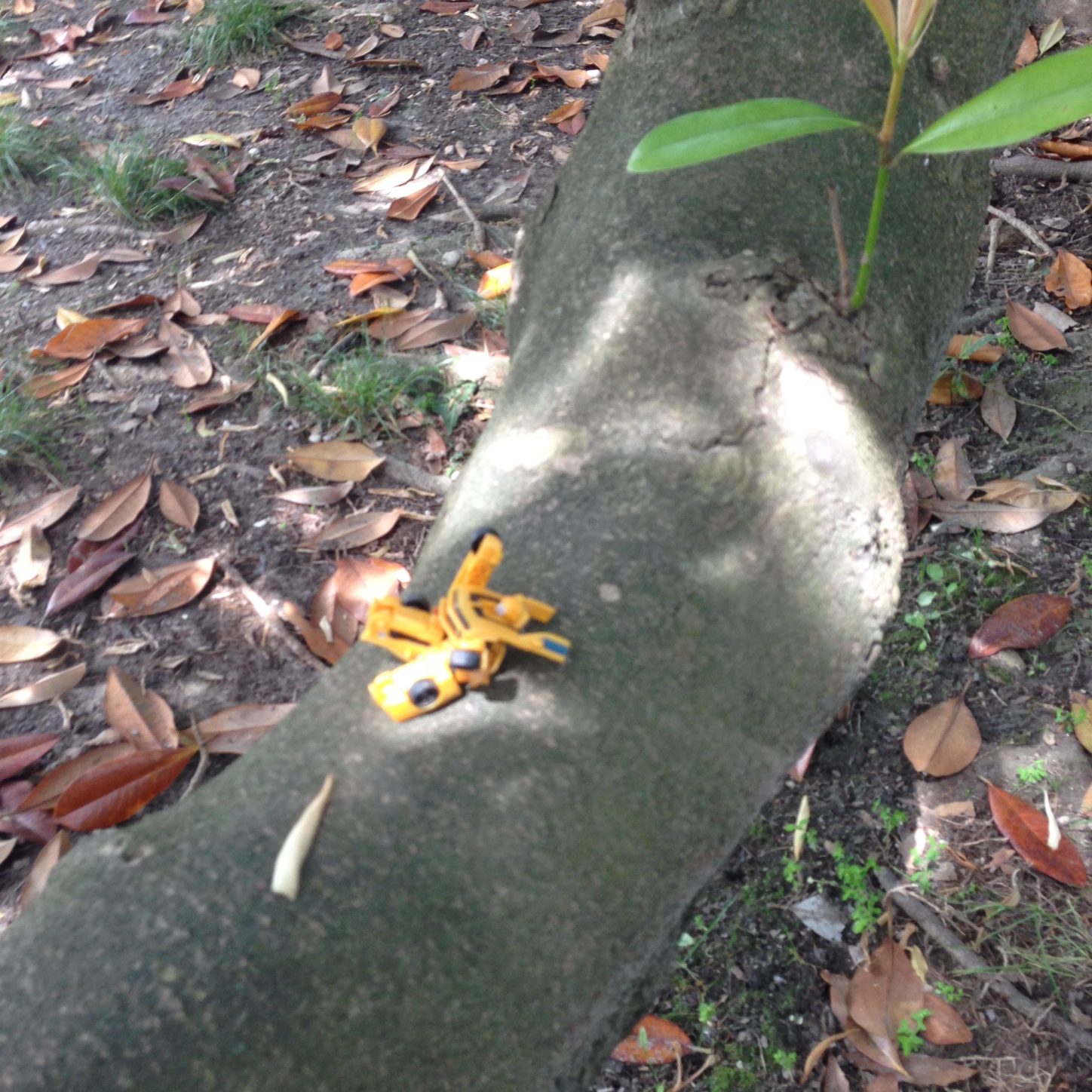
When I went closer, I noticed there was some little toy on the branch. I did not move it but sat next to it.
Trying out various positions for the camera on tripod I ended up making four attempts. The first one was a spontaneous placement of the tripod and resulted in a silhouette image with the human figure and the tree as dark forms in the foreground with the traffic in the roundabout in full light. I decided to make another version from the opposite direction, perhaps to use in combination with it. That image had a more balanced light, but looked rather flat, with my back very close to the camera and thus too big. I tried to move the camera further away and get a little bit more of the curvature of the branch within the frame. And in order to maintain the logic of pairs, I took another image from the other side of the tree as well. The last image turned out to be the best one, although my wish to include more of the main trunk of the tree makes the composition slightly imbalanced. With a photograph that would be easily corrected with a tighter framing on the right, but video is more complicated. And since I have a habit of using all the material, having a hard time discarding less successful alternatives because of my love of variations, I will probably edit videos of all four versions of these images.
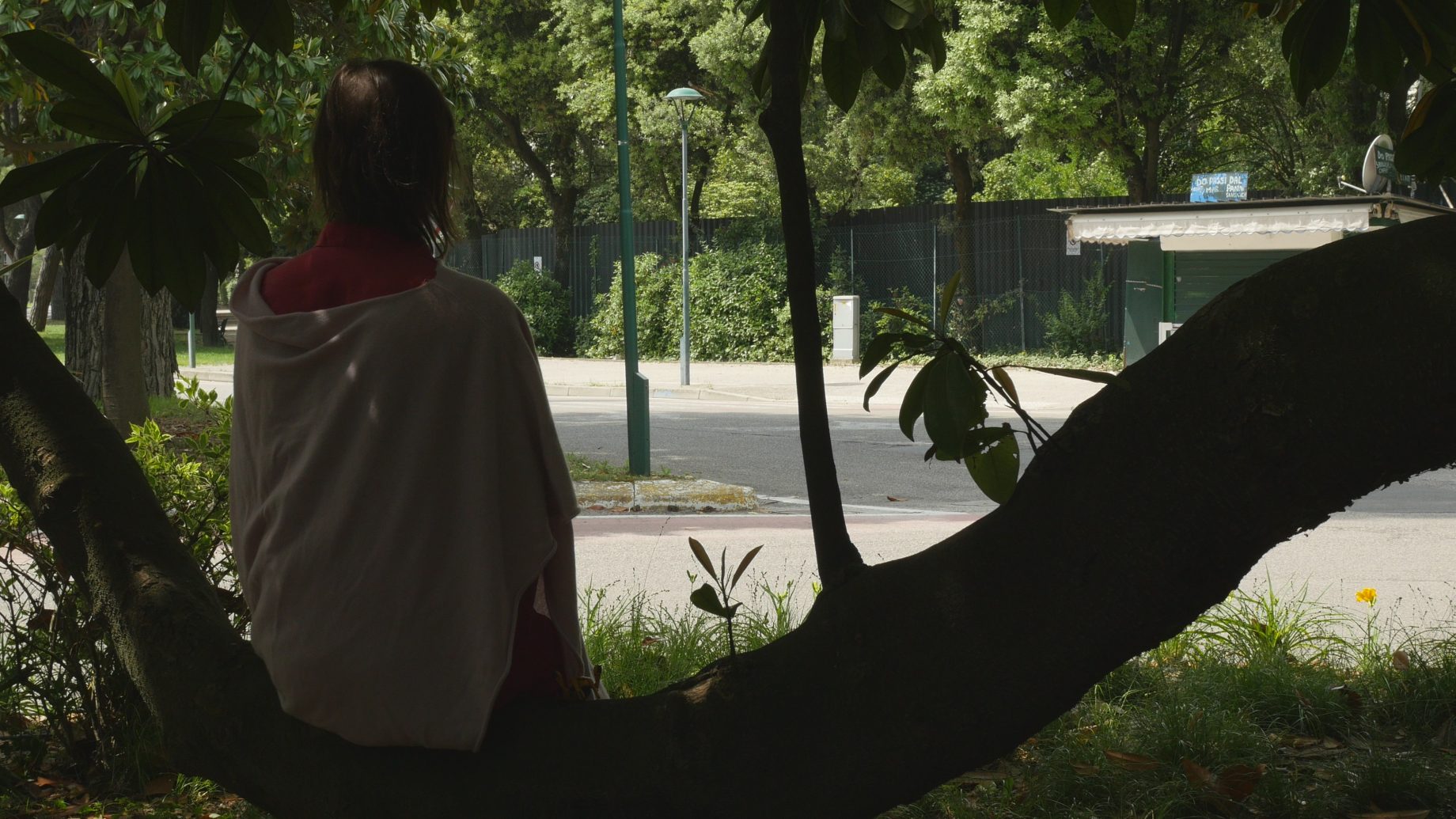
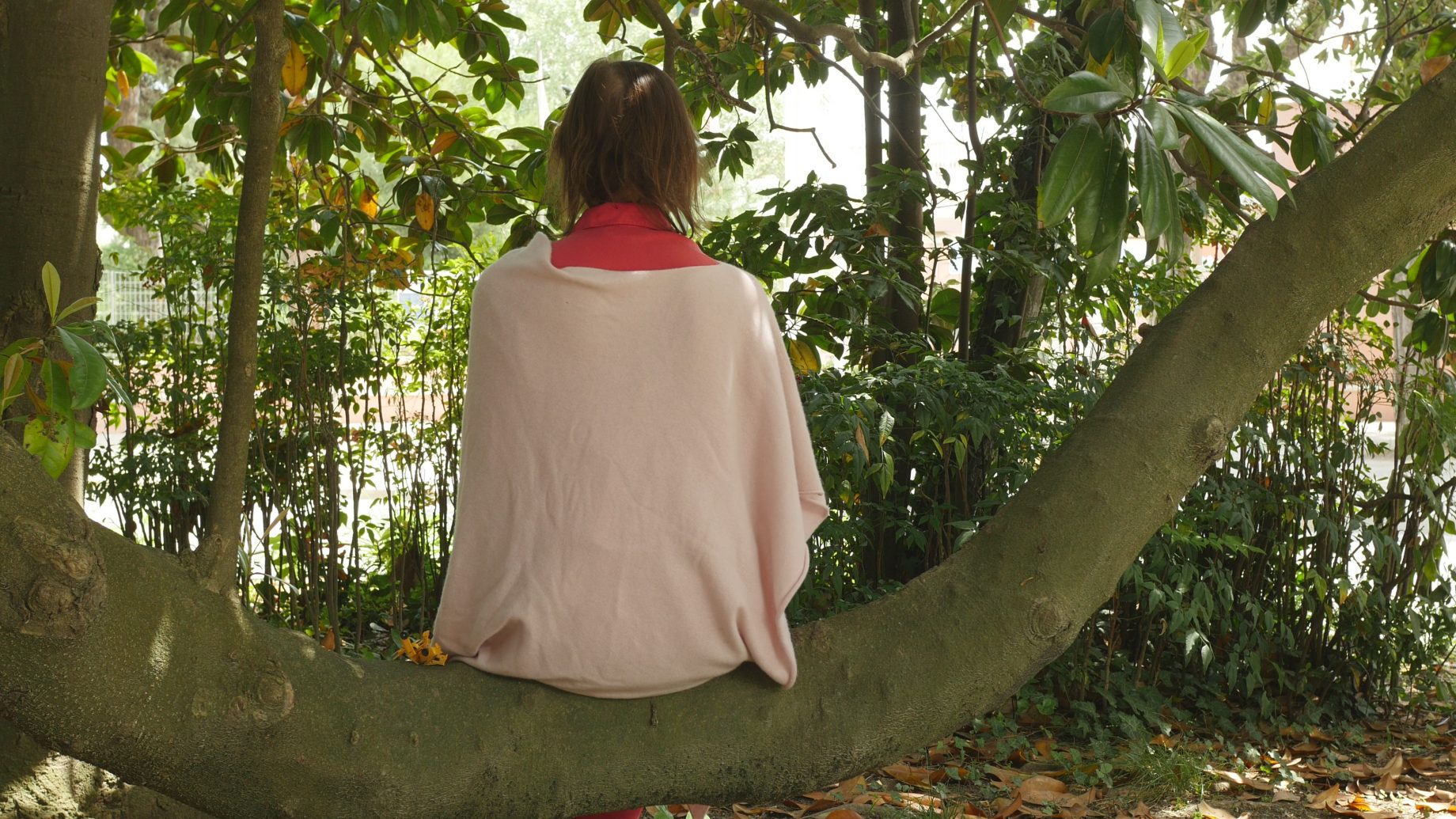
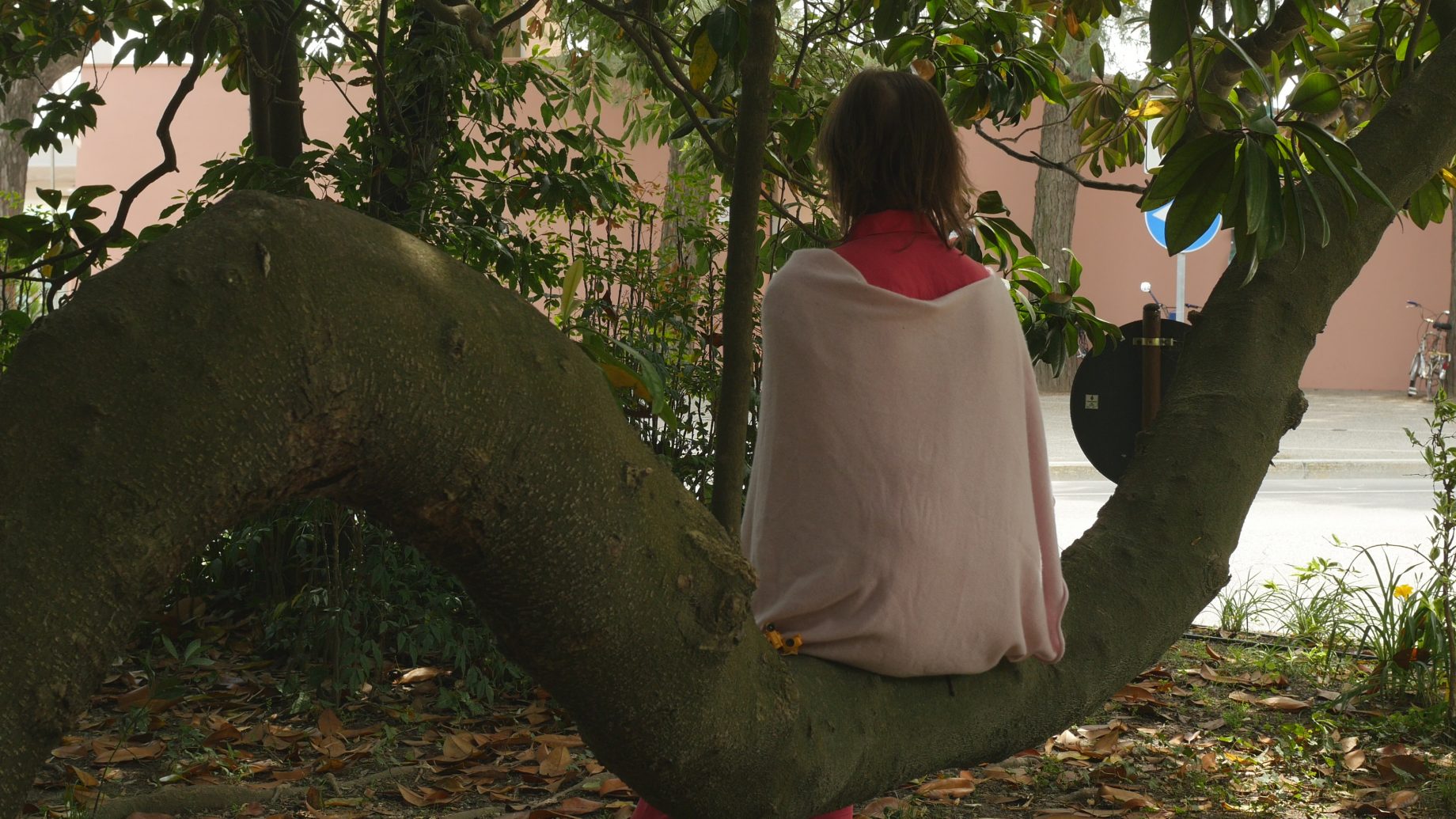
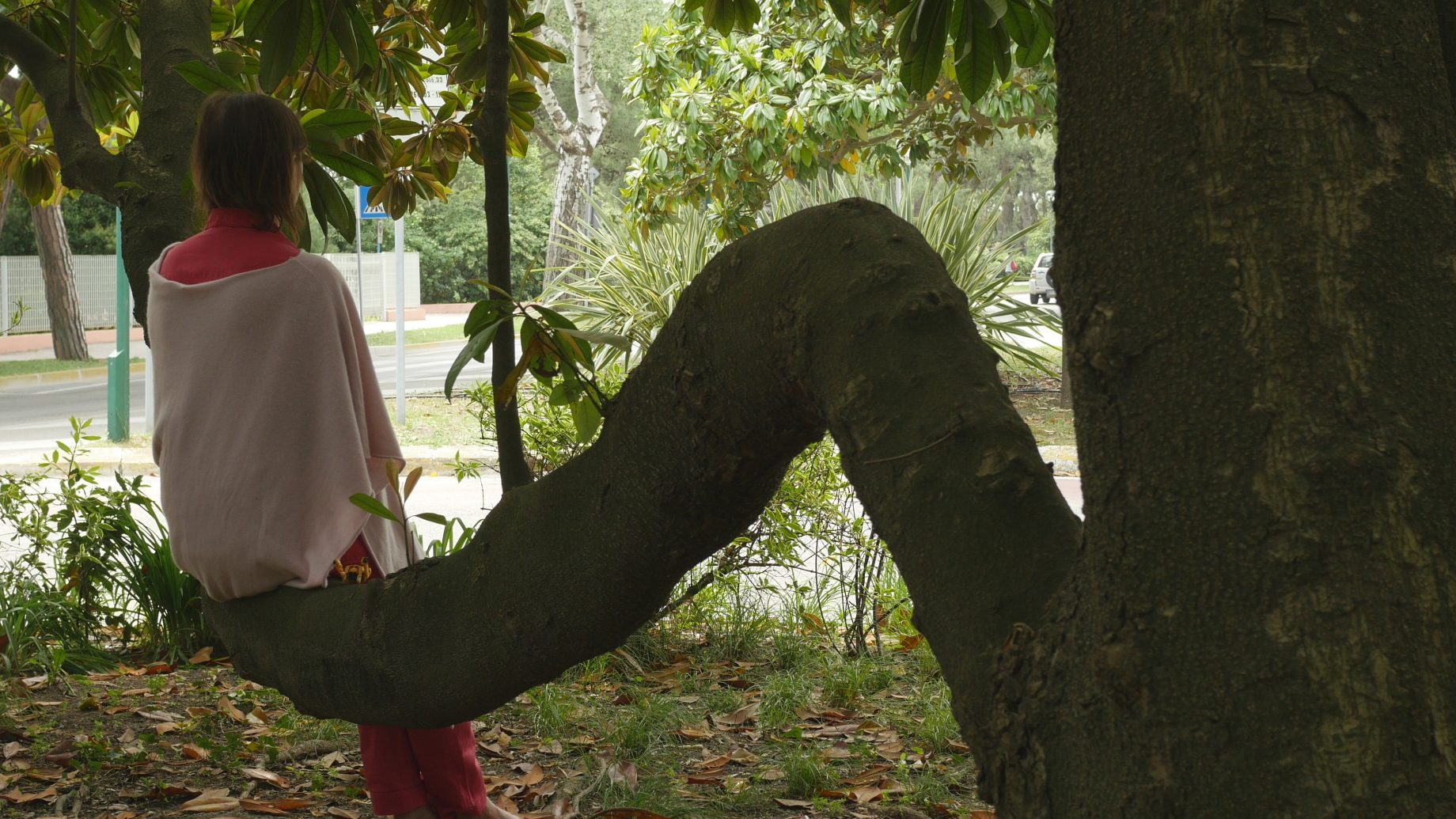
Lido di Venezia was my home base the first time I came to Venice in October or November 1996 (or was it 1995?) to write and compile the text for a radio play loosely based on the structure of Invisible Cities by Italo Calvino, and to do some recordings as well. I lived in a pension on Via Marco Polo, a small street on Lido, which gave the radio play I worked its title. That work I used as the first entry on my Harakka webpage created in 2000, as if my life as an artist would have commenced with that work, and not with the Bacchae in 1978, see Via Marco Polo 1-3 for more about the radio play. I took a walk this morning and found the street, but there was no pension there, although one of the villas looked strangely familiar.
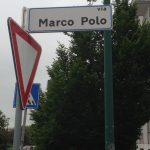

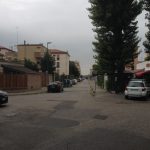
There was an old cemetery at the turn of the road, which I cannot remember at all, although it must have been there twenty years ago. It was closed, no access, and that seemed like a sign. The past is a strange land, a closed cemetery we have no access to.

Äitienpäivänä Jalavan juurella
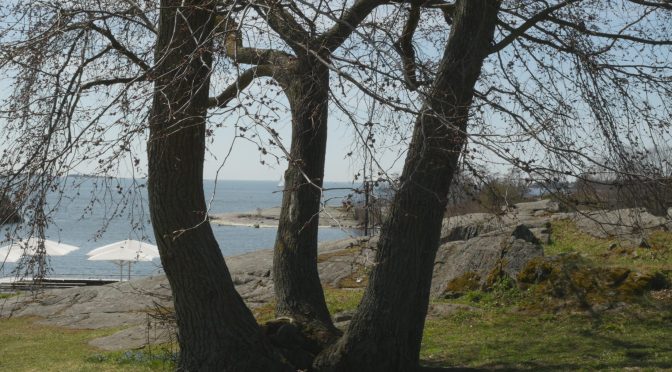
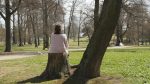
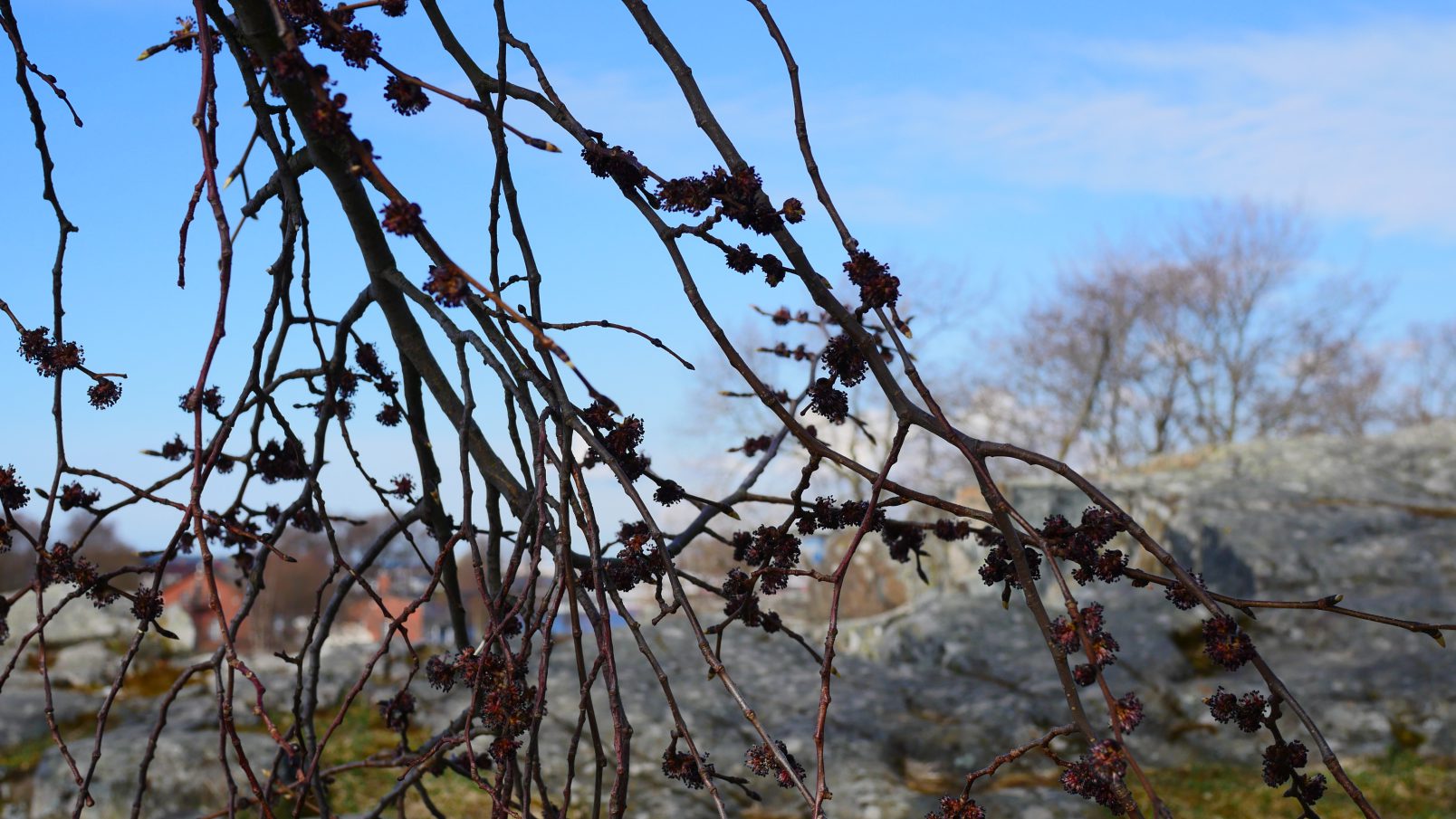
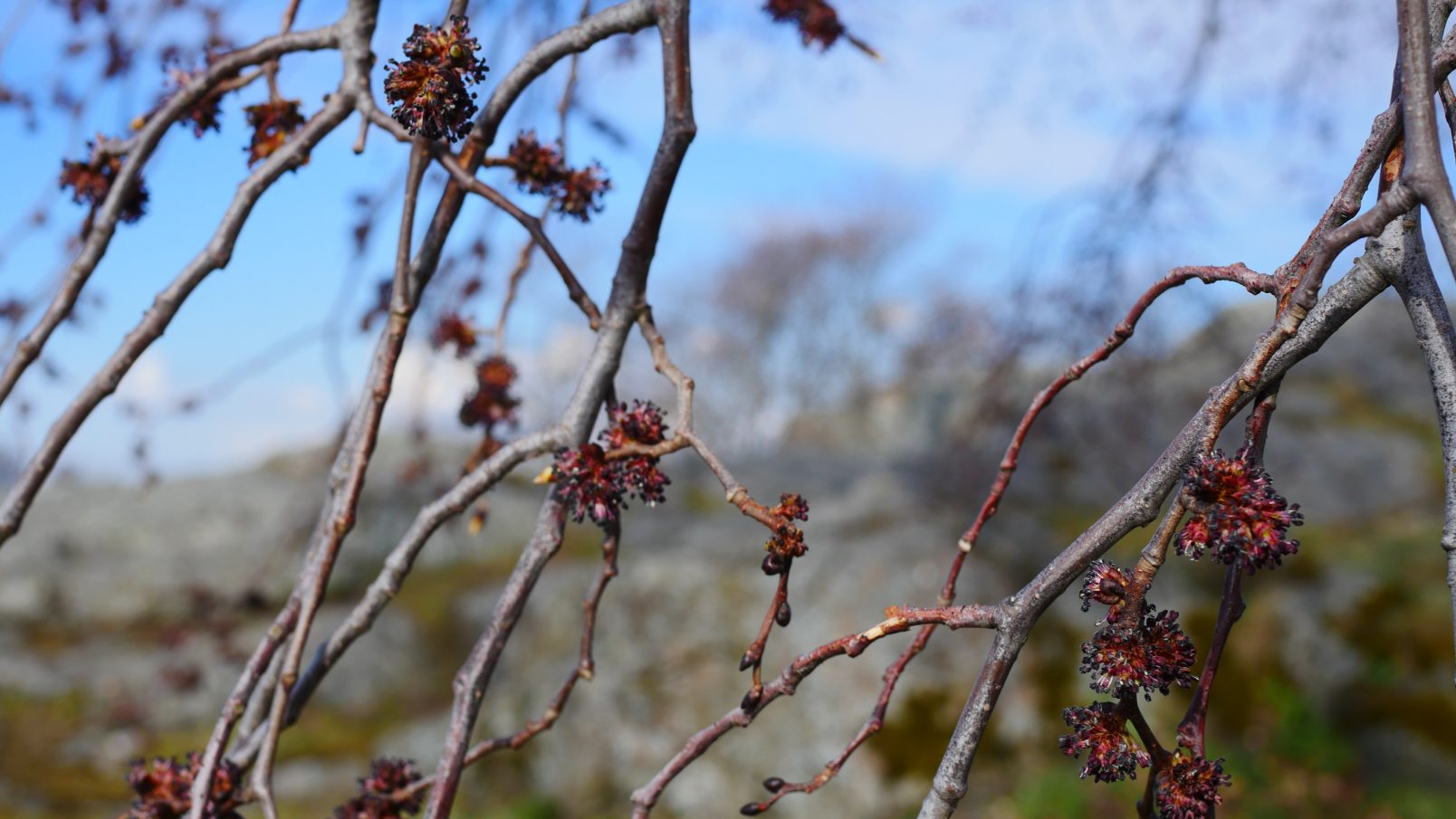
Pikavisiitti Helsinkiin sunnuntaina, äitienpäivänä. Istuin puidnen kanssa ja tuumin mahtaisiko Kaivoåuiston kallioilla kasvava puuryhmä, jota ensin luulin pajuiksi tai lehmuksiksi sittenkin olla jonkin sortin jalava. Pienet kukat viittaavat siihen suuntaan, mutta lehtiä ei vielä näy, joten täytyy odottaa.
Muistelin aikaisempia äitienpäiviä, muun muassa äitienpäivää vuonna 2004, jolloin seisoin “Kiasman rannalla” eli museon edustalla olevan altaan reunalla osana Silmä ja Mieli näyttelyä sinä kesänä. Näyttely muistui mieleeni koska näin Filippa Forsmanin minusta sinä vuonna tekemän dokumentin, sarjassa Kulturprofilen, joka on nyt uusintana Arenassa, täällä, ja josta en olisi tiennyt mitään, ellei Lotta Wigelius olisi vihjannut facebookin kautta. – Silloinkin kuvasin nimenomaan äitienpäivänä, ehkä jotenkin miellän videot lasten korvikkeiksi, ne jatkavat elämäänsä minun jälkeeni, toivottavasti.
Mietin myös omaa äitiäni, Terttu Apala-Arlanderia (1923-1976), jonka olisin oikeastaan halunnut tavata koolleegana tai ihmisenä muuten, en äitinäni, sillä hän oli varmaankin aika kiinnostava persoona. Ryhdyin etsimään verkosta, löytyisikö sieltä mitään kuvaa tai tietoa hänestä, mutta löytyi vain erilaisia linkkejä hänen väitöskirjaansa, Yleislausekkeista Ilmeisesti kirjat edelleen säilyvät parhaiten. Tai sitten kyse on siitä sukupolvesta joka ei vielä ollut jatkuvan dokumentoinnin kohteena, puhumattakaan sosiaalisesta mediasta.
Löysin myös lyhyen maininnan ulkoministeriön sivuilta, että naiset pääsivät diplomaatin uralle vasta vuodesta 1950 lähtien, ja että äiti oli ensimmäinen siihen hyväksytty, vaikka vaihtoi suuntaa neljän vuoden jälkeen. Ulkoasianministeriön sivuilta löytyy maininta: “Ensimmäisenä naisena karrieeriin hyväksyttiin 1.9.1950 varatuomari Terttu Apala (myöh. Apala-Arlander) ja toisena 9.1.1951 lainopinkandidaatti Ilma-Riitta Niiranen (myöh. Hærum). Kummankin ura ulkoasiainhallinnossa päättyi vajaan neljän vuoden kuluttua vt. avustajana. Apala siirtyi kesällä 1954 oikeuslaitoksen palvelukseen.” Siellä hän toimi hovioikeudenneuvoksena, väitteli sittemmin työn ohella ja nautti samaa palkkaa samasta työstä kuin puolisonsa, tosin korkeammin koulutettuna. Yhtään kuvaa en verkosta löytänyt. Niitä oli etsittävä vintiltä, ja lopulta löysinkin muutaman kuvan kaikenlaisten seinäkoristeiden ja huoneentaulujen joukosta. Hullua että perhevalokuvat ovat niin huolimattomasti tallennettu kun sen sijaan aikakauslehtien vuosikerrat ja posti on paljon huolellisemmin säilötty. Mutta jotakin kuitenkin löysin.


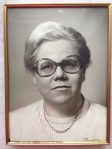
Ensimmäisessä kuvassa äitini on pikkulapsena oman äitinsä, isoäitini Rauha Apalan sylissä, toinen kuva on nuoruuden kuva ja kolmannessa hän on luultavasti viisikymmentä, sellaisena hänet muistan. Isoäidistä isän puolelta, Ester Arlander, omaa sukua Krook, löytyi myös nuoruudenkuva:
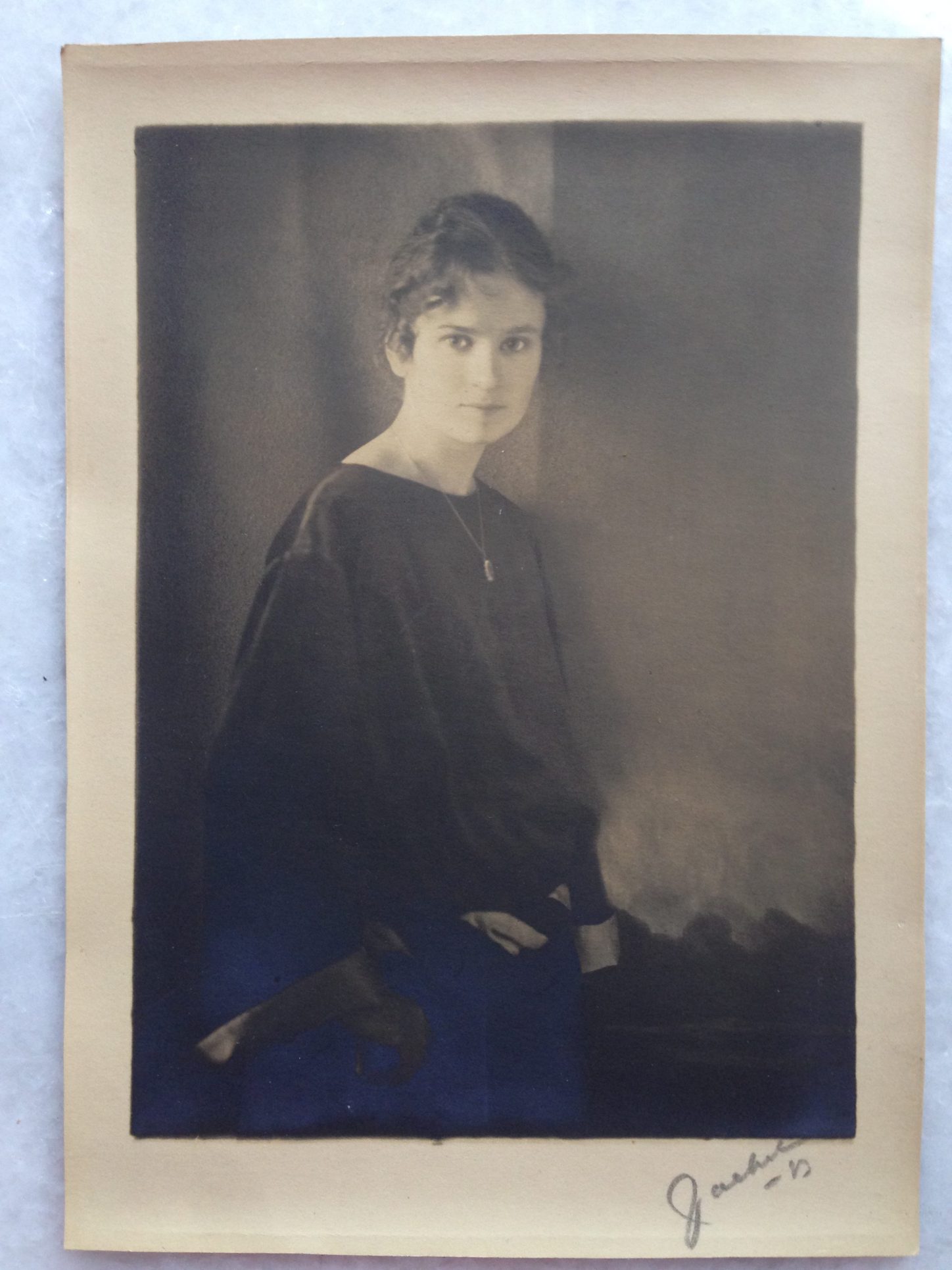
En ole koskaan osannut ihannoida äitiyttä, enkä edes kaivata sitä omalle kohdalleni kuin muutaman kerran elämässäni, tilapäisesti, mutta mielelläni kunnioitan sitä äitien ketjua joka on minutkin tänne asti tuonut. On vaikea tajuta kuinka tiukkoja taisteluita vain yksi tai kaksi sukupolvea aiemmin on jouduttu käymään nyt ainakin teoriassa itsestään selvistä tasa-arvokysymyksistä.
May – Month of the Willow
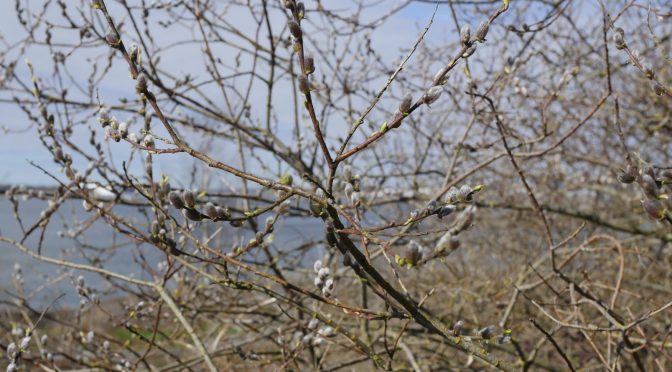
This Willow grows on Harakka Island, right outside Kaivopuisto Park near the centre of Helsinki. Originally I thought I would look for a willow a little further away, but a few days ago when I visited my studio on the island looking for some old files I noticed this huge shrub on the hill and decided that this would be a slightly different tree to work with for the next calendar entry. The willow, Saille, is the tree for the fifth month of the Celtic Tree Calendar, which I am now performing by creating small still-acts with the tree of the month in Helsinki with environs. My interest is not so much in Celtic lore, but in finding out about the great variety of trees growing in my extended neighbourhood. So on Saturday morning I took my small boat and rowed across to the island, managed to get past the fierce male geese protecting their spouses sitting in their nests, and place my camera on a tripod on the hill.
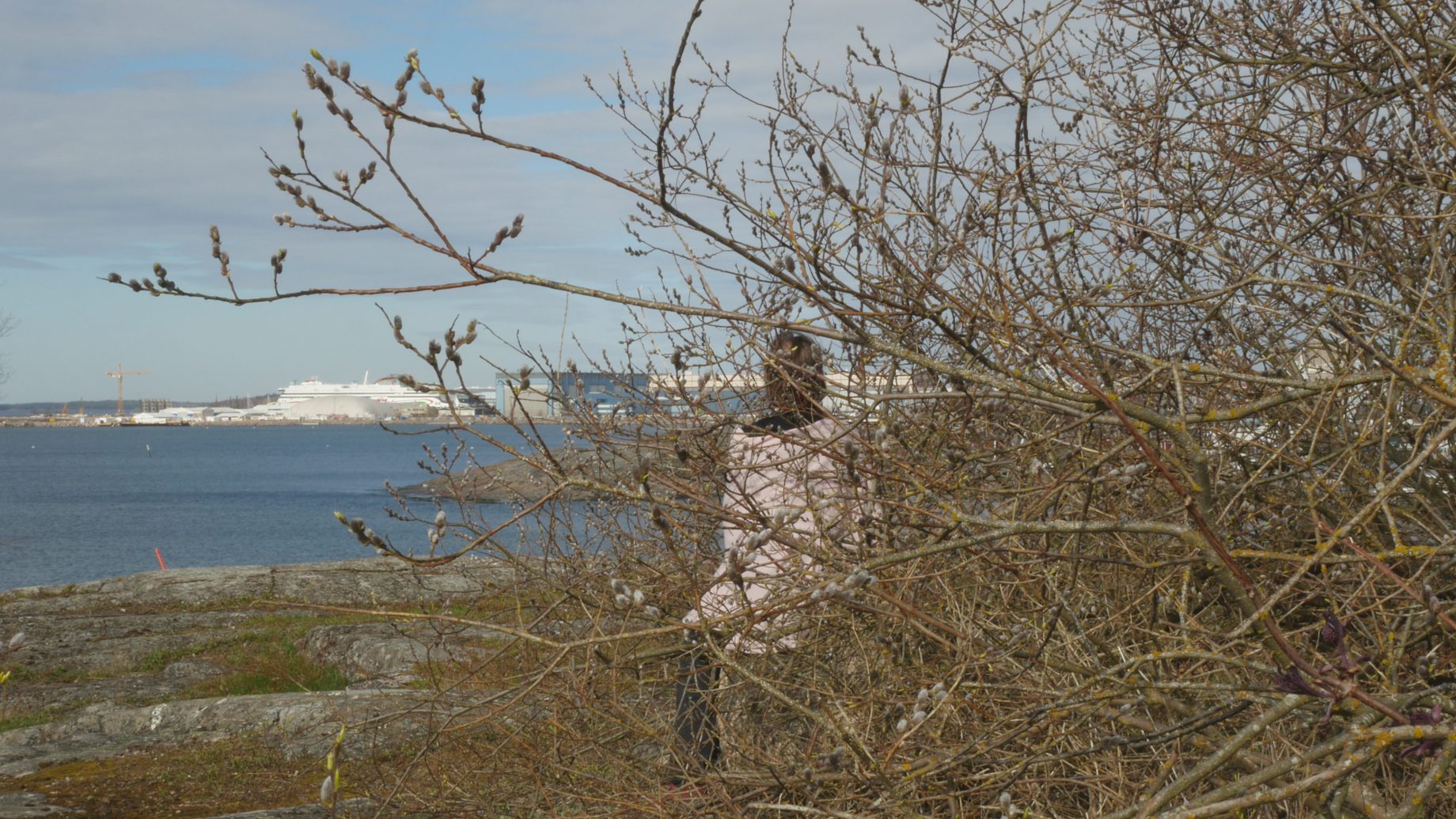
The willow is fairly big, with its branches spreading over a large area, sticking close to the ground. The first image I made by sitting for a while on a boulder next to the willow, but although surrounded by its branches I was not really in contact with the willow. I wanted to sit on the trunk of the willow itself, too, and that was possible since some of them were fairly thick. Only the beginning of the session were I forced myself in among the branches was recorded, since I forgot to check the memory card, which was full again. But that did not matter so much, because my position in the image was bad, much too low, and sitting there listening to the bumblebees for an extra round was a pleasure.
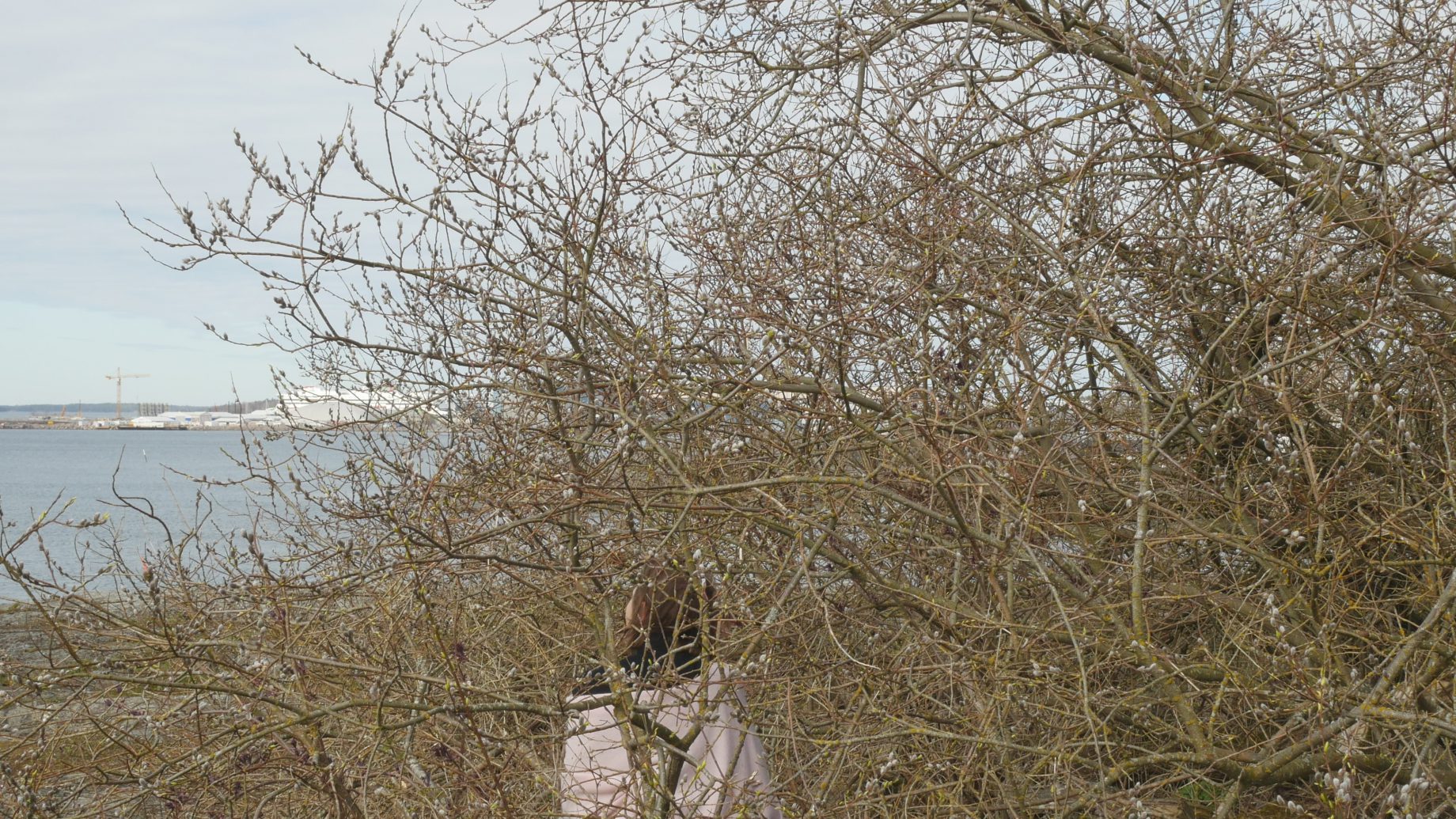
So I made a third attempt, and this one turned out to be my favourite. The willow covers most of the image and I am almost hidden in it; my scarf is somehow caught by a branch so it almost looks like it was hanging there by itself.
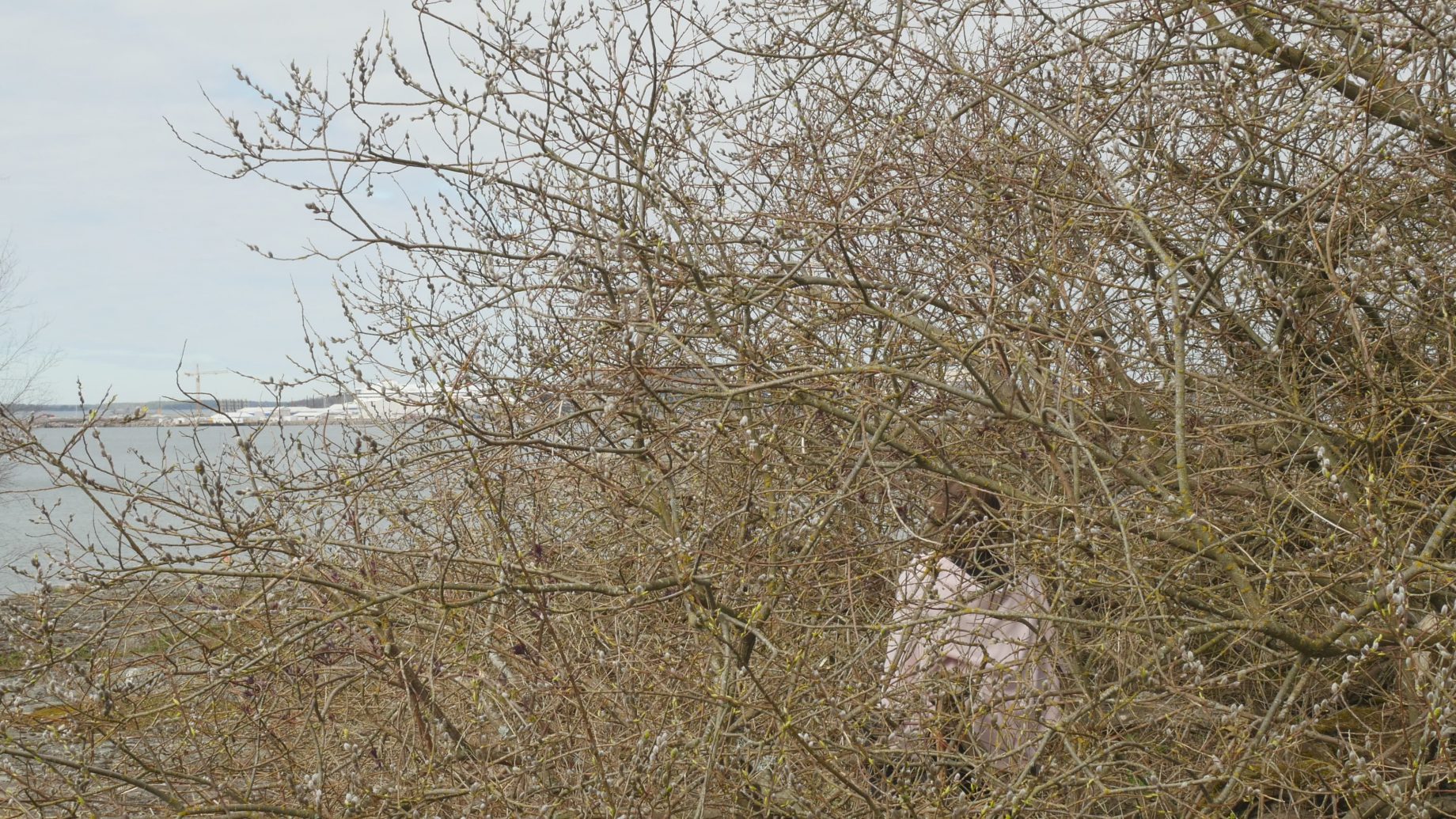
The calendar image of the month of the willow, which extends from April 15th until May 12th, at least according to some sources, is thus not presenting a singular tree by the shore and a human figure sitting in it in the manner of the previous calendar images. Rather, this image shows a mess of twigs with the human figure half hidden among them, presenting another way of performing with a tree. After this experience I am no longer worried about some other types of vegetation included in the tree calendar like common reed or ivy.

Kalla vindar och hagelskurar
Våren är sen i Helsingfors, nyheterna påpekade att det var 20 grader (!) varmare samma tid förra året. Härligt solsken tidigt på morgonen, visst, men iskall vind. Och senare på dagen regn som snö eller hagel. Lyckligtvis samlades snön inte på marken, som förra veckan, men jag tänker på de stackars blommorna som kommit upp. Även om de själva klarar sig i kölden kan de inte räkna med att humlor surrar runt i + 3 grader och vind, misstänker jag. De ligger säkert hopkrupna i sina gömmor och väntar ut det gräsliga vädret. Både måndagen och tisdagen började med klart väder men bjöd på kalla vindar och hagelskurar senare på dagen. Jag var ute tidigt för att hinna med besöket innan överenskomna möten, och egentligen är det härligt att vara igång på morgonen för det är ljust så tidigt såhär års. När jag satt och såg över havet slog det mig, att det inte är många tankar jag ägnar åt trädet jag uppträder med och helt konkret sitter på. Ibland är jag uppmärksam på min omgivning, men ofta sjunker jag ner i mina egna tankar eller bara andas.

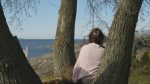


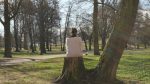
Men jag fascineras nog av trädet i Brunnsparken, för det är mig helt obekant. Det blommar nu helt tydligt med något slags små runda bruna blommor som ser ut som alens kottar eller liknande. Jag vet faktiskt fortfarande inte vad det är för ett träd, och i en park kan det ju finnas importerade särfall. Jag hoppas få bättre kännetecken när bladen slutligen bryter fram. – Jag ser fram emot att delta i en två dagars workshop på universitetet i Linköping om tre veckor ungefär, Plantarium. Och hoppas verkligen att jag fått reda på lite mera om min samarbetspartner innan dess.
 Performing Landscape