
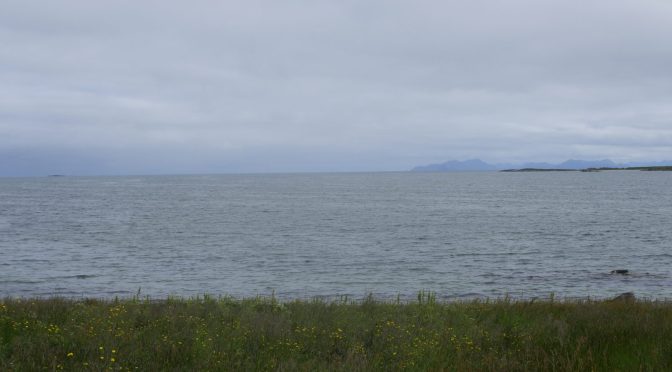
On thursday 20 July 2017 it is high tide (190 m) at 10.30 am in Rekdal, a village on the northern coast of Vestvågoy on Lofoten. I am planning to record the view on the shore together with a small birch every hour during this day, starting with high tide at 10.30 am (190 cm) and continuing through low tide at 4.50 pm (48 cm) to the next high tide at 11.10 pm. (198 m), hoping for shifting weather, that is, some bursts of sun shine amidst the grey clouds, and it looks hopeful. There have been sunny moments this morning already. Changes in light conditions make it worthwhile; the shifts of the tide are not that visible since the sea is not very shallow in the spot I have chosen. I am eager to get out, but there is one more hour to go before the first image. A close-up of the birch to begin with:
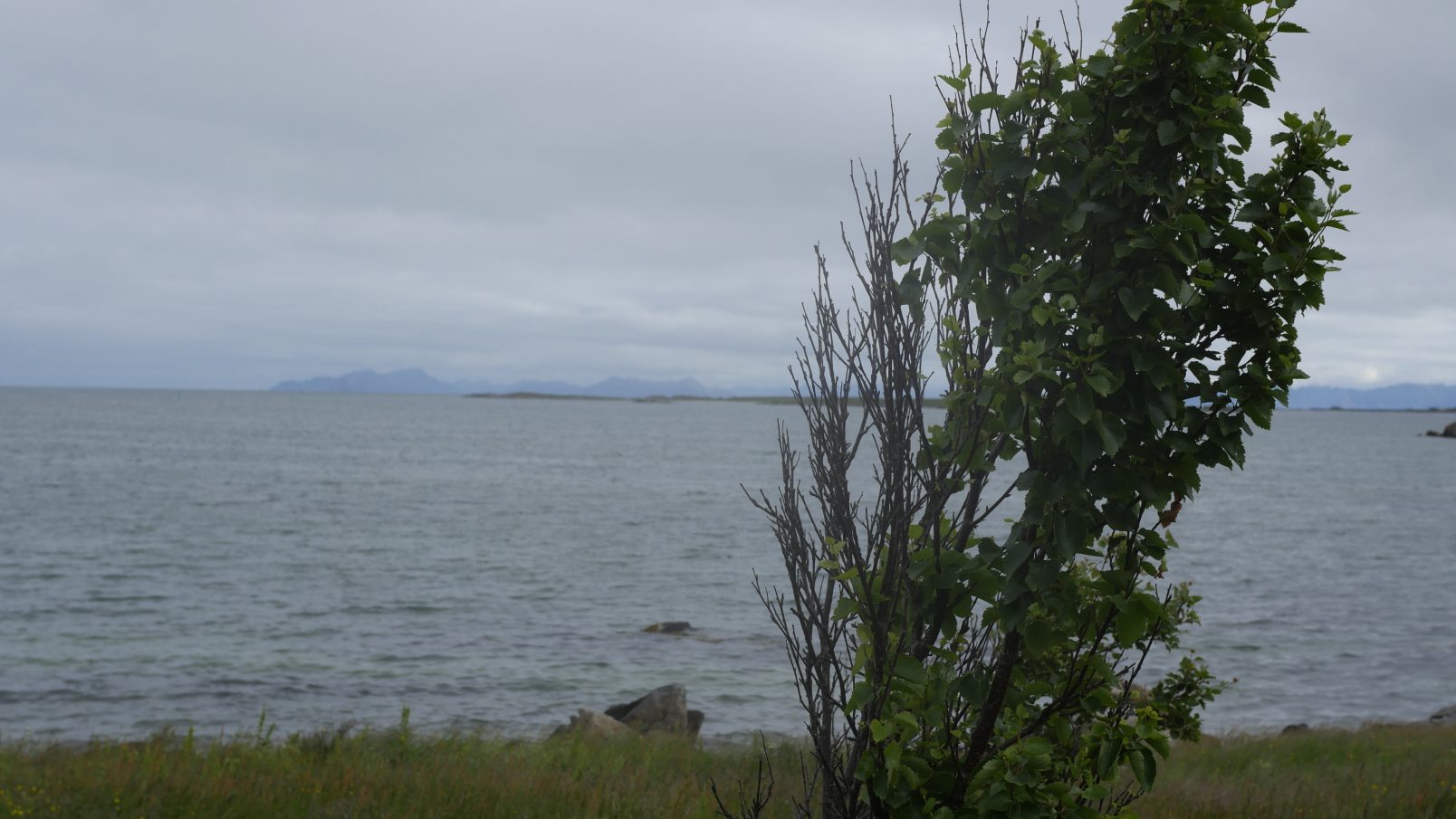
10 am (or a few minutes before) – grey, grey, grey. Wind from the north, no sun any longer, half an hour before high tide, the top of the rock near the shore is still visible above water. No traffic on the road, but far away the sound of a motor boat heading out; I can see it as a small dot. Approximately three minutes with the tree is enough, I assume. There is already a path across the meadow formed by my repeated comings and goings between the camera and the tree. For a moment I think I should try to walk outside the frame to keep the grass intact in the image, but decide to let it be. Before I go to stand with the birch I take a few still images of it. And then, afterwards, I only turn the camera and the microphone off and leave them standing on the tripod out there on the shore. Hopefully they will not attract the interest of seagulls or other birds.

11 am, the same view, the same sea, the same sky, the same tree and the same grass. It is past high tide but I cannot see the difference. Perhaps the mountains on the horizon are a little bluer, but I could be imagining. The camera will register the nuances, though. Some seagulls pass by, and a caravan drives past behind me on the road, otherwise nothing is happening during my moment with the birch. Even the wind seems to have calmed somewhat. A long day ahead, monotonous, but pleasant as long as it does not rain…
Noon, the sun is shimmering through the clouds in the south, enough to create a shadow in the grass when I walk to the shore, enough to brighten the green on the grass and to strengthen the blue shade of the grey sea. The tide should be going out now, but I cannot see it in the bay with the tiny birch; on the other side of the cliffs the beach is more shallow and the seaweeds are now showing up above the water. I wish for more sun, for the warmth it gives and for the contours it creates in the landscape. The wind from the north is not strong but chilly; it is hard to imagine that there is nothing but the arctic sea in that direction; next stop Svalbard.
1 pm, grey again. The pale sun hides behind the clouds that seem to have grown thicker again. The tide is slowly going out. A small white boat is coming across the bay, stopping behind the cliffs to the left, perhaps the neighbours were out on a tour. I am no longer expecting surprises, this seems to be a grey day throughout, only minute changes in the quality of light. No directions, no shadows, no stripes of sun moving across the mountains. Subtle shifts rather than dramatic effects. And I did choose a very generic piece of shore with no high cliffs or steep slopes in view, nor any of the features that make the landscape in this area so exciting. And now I cannot change my mind any longer.
2 pm, the weather as before, the wind a soft breeze now, the tide going gout, slowly. The sun shines through the clouds, not enough to give shadow, but enough to brighten the colours. The meadow is very still, so quiet that I could hear somebody closing a car door on the road behind me. I would like to make some close-ups of the rocks here, they have strange curved shapes, formed by the sea. But I have left my camera standing on the tripod in order to get the images as alike as possible. With these subtle changes it is even more important that the framing stays constant. Here in the north it would have been fascinating, and easy, to record a full day and night, because the site is so close to the house, and there is light all night, too. For some reason I was tied to the idea of the tide and of making a companion piece to The Tide in Kan Tiang, which was only one day, and not even all the way to sunset actually. The Tide in Rekdal does not sound as good as a name, but this little valley and village is called Rekdal, so I should stick to that. Because the tide is hardly distinguishable in the images, I could of course rename the work to Grey Day in Rekdal, for instance.
3 pm, a pale sun shimmering from behind the clouds, warming my neck as I stand with the birch on the shore. The cliffs in the bay are lit by the sun for a moment, but they are outside the frame of the image. The tide is rather low now, revealing the pebbles and the seaweed on the shore, but the camera cannot see them, because of the high grass. The day is moving fast now, it is already afternoon, but the evening will be long due to the light. At some point the sun will hide behind the mountain but will hopefully be visible again when it slides closer to the horizon in the north. These are the last days of the midnight sun here, they say.
4 pm, the wind is increasing again, the pale sun has moved towards west as expected, the tide is even lower now. For the camera the shore looks the same. Funny that I chose a spot where the tide is the least visible. Although I can see the shoreline change where I stand by the birch, the camera cannot. Absurd to speak of the tide in Rekdal, when no tide whatsoever can be distinguished in the image. A slice of blue sky, however, has opened amidst the clouds, like a brush stroke of colour across the sky. And some white foam appears in the bay, where some underwater rocks are closer to the surface at low tide and cause the waves to break there. Basically this image I am repeating is so unspectacular that I wonder how I can relate to it or write to it, with it, for it… Or then I will not. There is no need for all recordings to become works.
5 pm, the tide is turning; there is more blue in the sky and the sea is thus more blue as well. Seagulls are screaming, the waves have foam when they reach the shore. In the image the sky looks divided in two parts, a grey part and a blue part. In the unframed world around me, there are all kinds of clouds moving around. The mountains on the other side of the bay are decorated by their shadows. The zipper of my crimson sweater is not working well, not yet broken, but problematic. So far I have chosen to struggle with it until I could close it before entering the image. In the worst-case scenario, I might have to leave it open or close it around me by my left hand. So there might be some action after all…

6 pm, partly cloudy, sun on the mountains on the other side of the bay. Now the wind is cold, the tide is coming in, but the water is still low. The rocks covered in seaweed look like lumps of old wet rags abandoned on the beach. Repeating the same image every hour gives very small shifts between the images, and also very little time to do something else between the sessions. Walking down to the shore and back up into the house takes some time, as does writing these quick notes after each image. When I look out the window I see a dozen or more of images worthy of repeating. But it was my choice to find a small tree alone on the shore, as a reminder or repetition of the one on the beach in Kan Tiang. Todays images have nearly nothing in common with that work, but the idea of creating a companion piece got me going. If I had more time I would probably transform this to something else, find another place and try to recognise what is the special thing to record in this landscape…
7 pm, cold wind, evening approaching. It is full day light at this hour up in the north, but the feeling of evening is here nevertheless. The mountains on the other side of the bay look bright and seem very near, but the meadow on the shore is in the shadow of the mountain behind me. I have managed to edit some other video works between my visits to the shore. Moving between the images on the screen in front of me and the images I can see through the window, both fascinating in their own way, makes for a strange duality. The work I am editing is called Cami de Cavalls and recorded two years ago on Menorca, while walking on a dusty path in the heat of the Mediterranean Summer, a world as distant from this one as it can be. I wonder where I will be editing this cold cool minimalist view – the image I am creating is rather different from the rest of the surroundings, which are spectacular and aw-inspiring.
8 pm, cold and windy. This time I had to do the session twice because the memory card was full and the first session was thus too short. I also realized the battery might be finished soon, so for the last two sessions I had better carry a battery with me. I would prefer not to change the battery now, however, because removing the camera from the tripod involves of risk of disturbing the image. It would very likely mean a slight shift in the framing, and that would be silly now, at the end of the sequence. Wondering whether the sun will come out on the other side of the mountain before I am finished; it might do so only around midnight, and I have decided to finish at ten. If the tide would be visible I could go on until high tide at 11 pm as planned, but as it is, that is rather pointless. Some sunlight to finish this video would not hurt, however.
9 pm, windy as before. The sun will probably appear from behind the mountain later tonight, but so far the meadow is in shadow and it is getting rather cold. Luckily we are having a picnic by the boathouse with the remaining artists and one of the neighbours, a barbecue of whale meat (!), controversial but delicious. I was sitting and chatting away with a glass of red wine when I realised that it was time to take the next to last image and hurried to the camera. I cleared away the material from yesterday from the memory card and hoped that the battery would last. And it did.
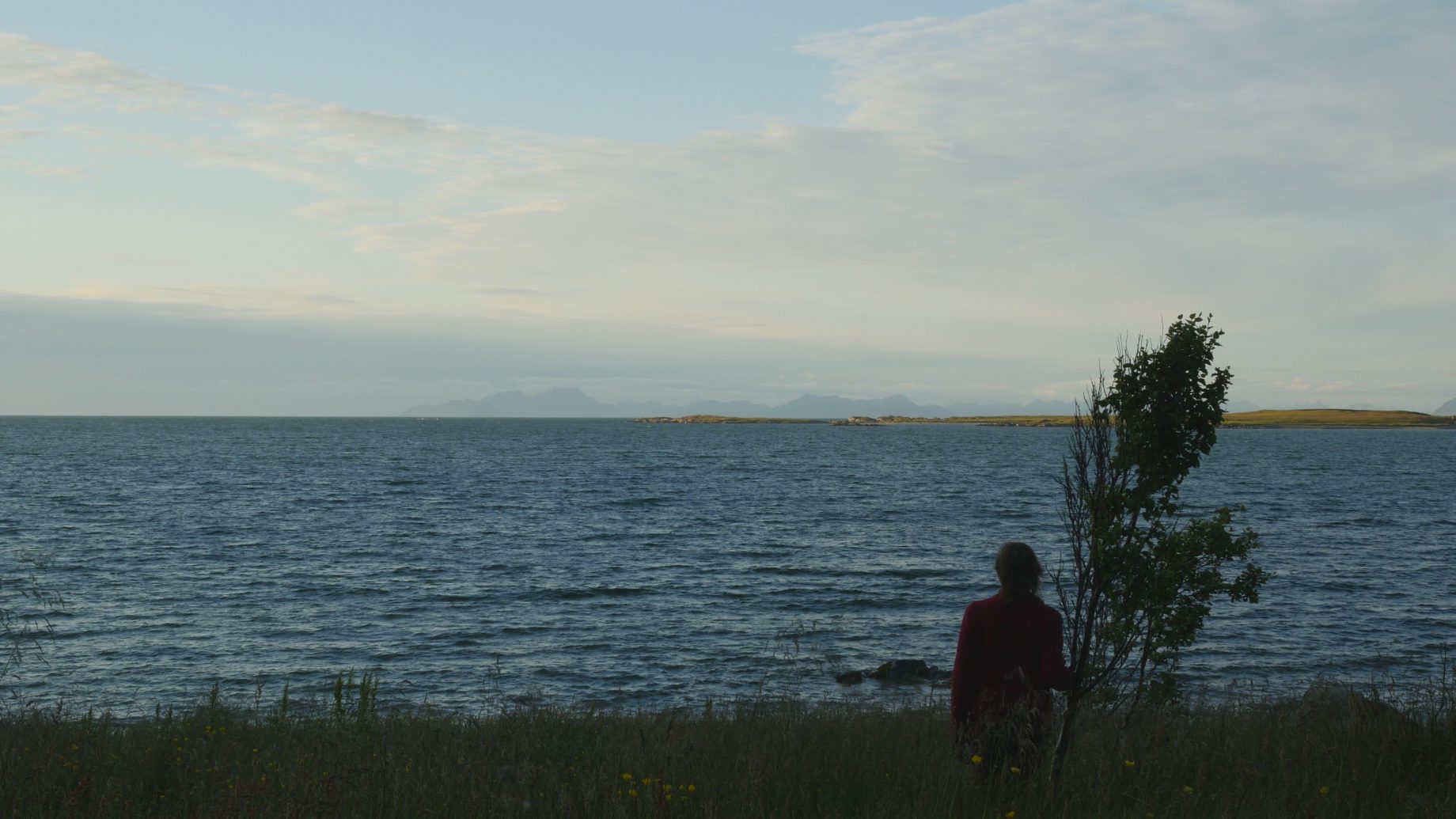
10 pm, the last image. The tide is fairly high now, covering most of the rocks and coming further in still. It is cold despite the light and I decide not to make an extra image at 11 pm hoping for the sun. At the moment of writing this it is eleven o’clock, and there are blue clouds all over the sky in the northwest and the north, so no direct view of the sun. Good that I did not wait; enough for now. I am eager to see what the images actually look like when taken together. Here is the last one:
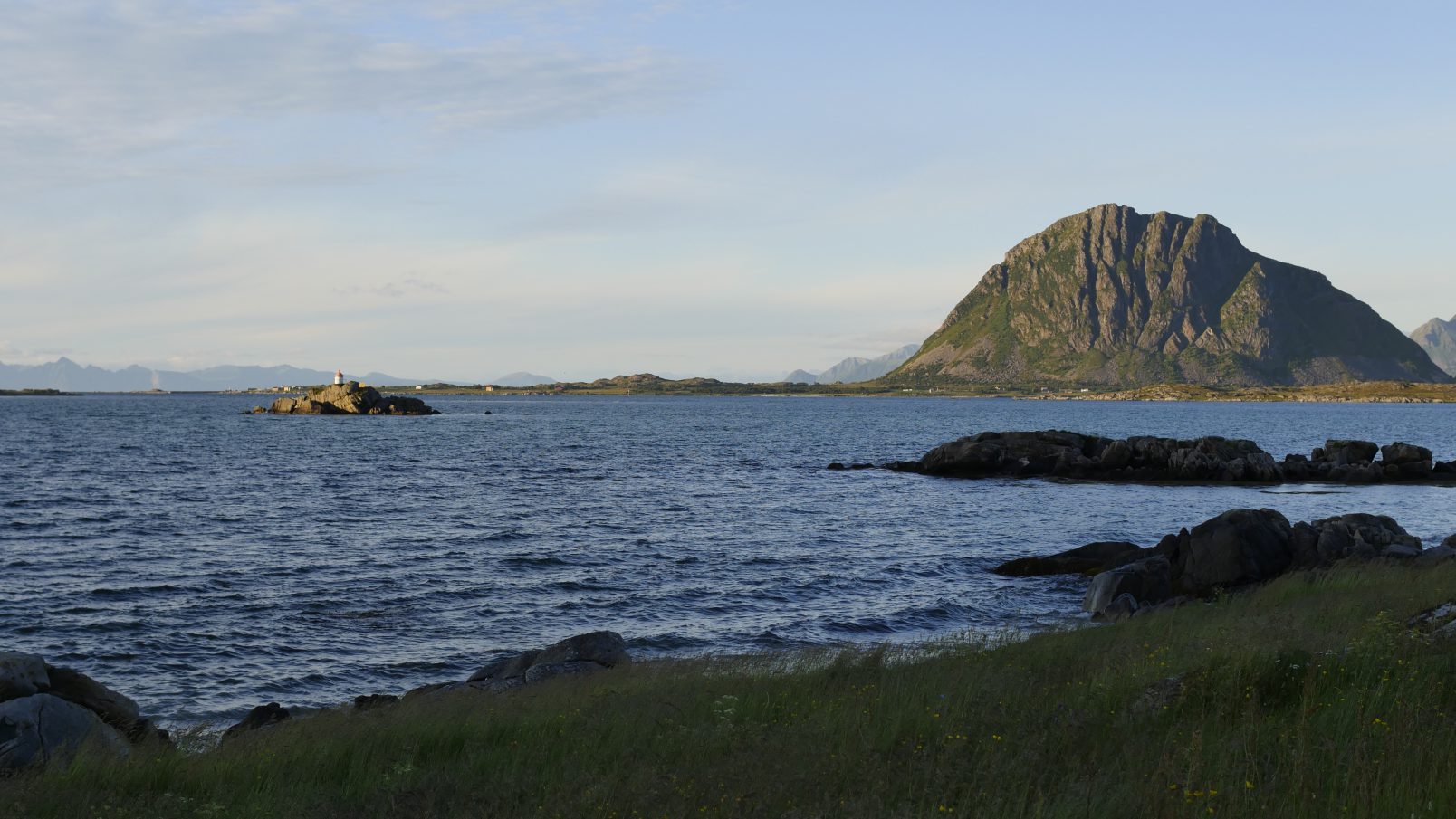
While the surroundings looked like this:
All posts by Annette Arlander
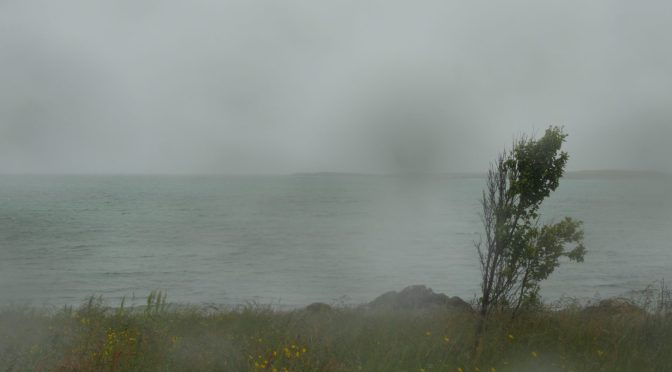
Rainy Day in Rekdal
Participating in the event Between Sky and Sea: Tourist organised by Performance Art Bergen in Kvalnes, Lofoten, I gave a talk there, “Between Sea and Sky with a Tree”, and used an old work, The Tide in Kan Tiang as an example. Seeing the magnificent landscape I immediately thought of creating a companion piece to that work, perhaps recording the tide here with a tree for a day or a day and night. Yesterday I set out to look for suitable trees – most of them are small rowans with some sturdy mountain birches in between them, and look more like bushes. I wanted to find one relatively near the house where I am staying to make the repeated visits easier, but did not find anything inspiring.
Today, relaxed after my talk last night, I headed out again despite the rainy weather and decided to try a really small birch on the shore, which could be framed to stand there on its own with the sea in the background. While I was placing the tripod next to a rowan it started to rain more, and I tried to cover my clothes with my raincoat while entering the image. My spontaneous plan was to record a long enough sequence to use together with the other work, which is 11 min 52 sec. It was cold and wet, but bearable after all. The surprise awaited me when I looked at the material. The raindrops really covered the image, both me and the tree, at times, and although the overall image is rather bland and grey, these sudden blobs might make for an interesting video.
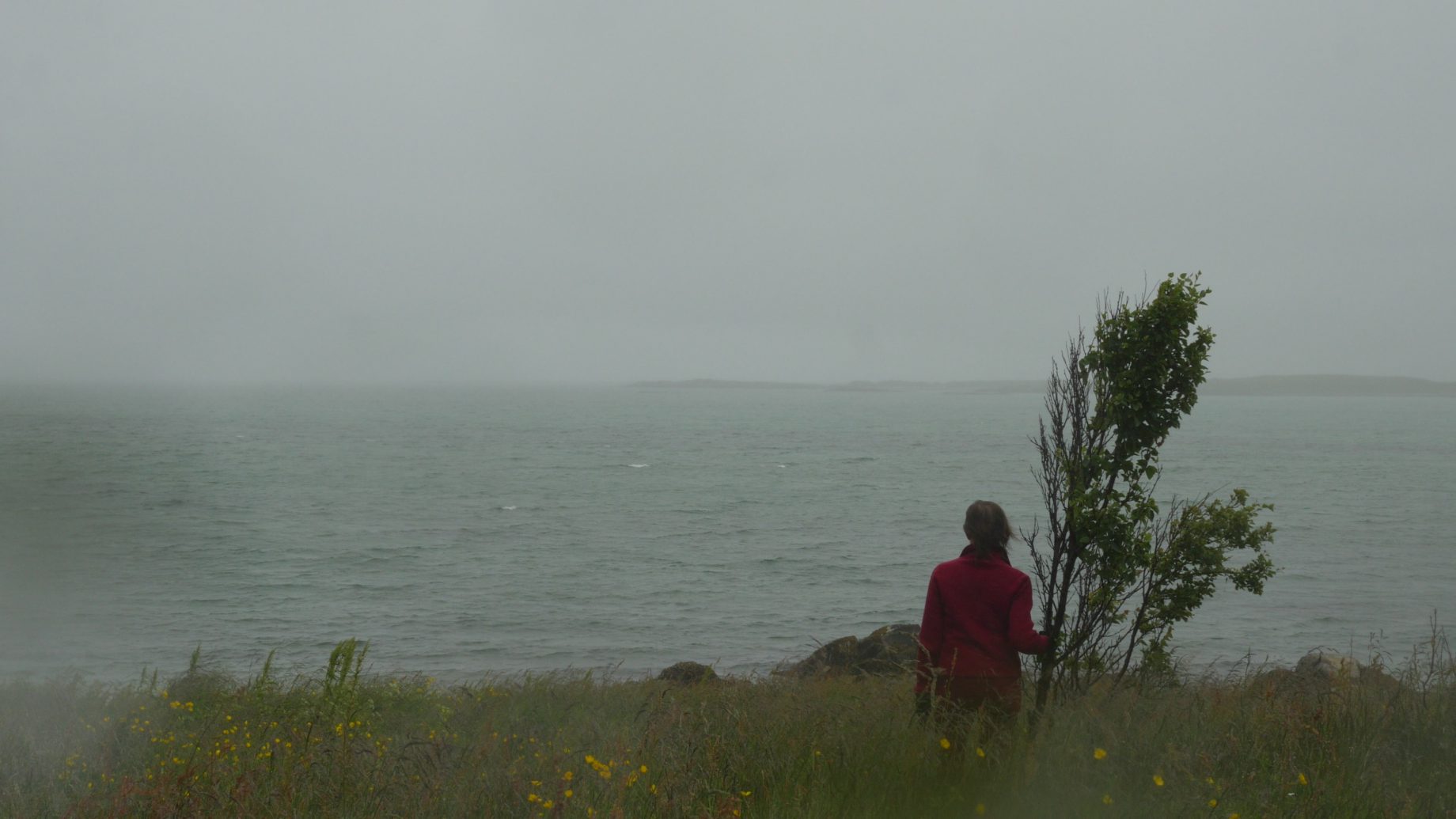
There was a moment towards the end, when the raindrops washed the lens clean, and a sudden sharp image of the tree and me on the shore looks almost normal. I include it here below to give an idea of the situation, although a series of still images with the white or grey blobs might well be more interesting. And probably more interesting than the video as well. I am happy I did not wear my usual pale pink scarf, because my ordinary dark crimson clothing suites the environment much better. But I am slightly worried that the sound might be really bad because of the wind. While I was only planning to do some test images, I did not bother to use the external microphone with wind protection. Perhaps I will return to the little birch tomorrow and revisit it with one or two-hour intervals for a day, although I guess the bay is fairly deep there, so the tide is perhaps not so visible. If the weather clears up a little bit the changes in light might be worth recording, perhaps even the midnight sun…
Hetki hellekesää illansuussa
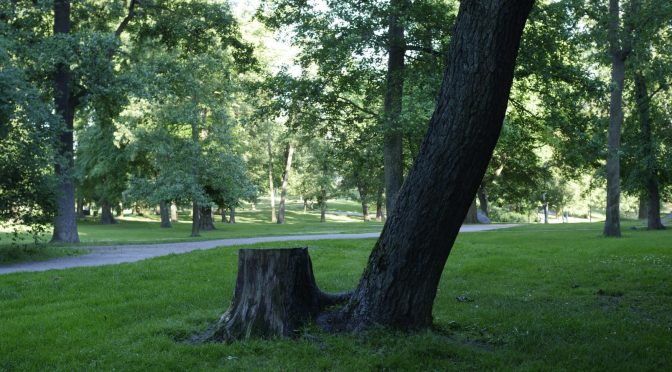
Kahden viikon tauon jälkeen puisto oli pääosin ennallaan, ja jalavakin oli ihan kunnossa, vaikka lehdistä näkyi, että joku ötökkä sitä jäytää. Uutta olivat kallioilla loikoilevat ihmiset: oliko tänään todella ollut helle? Pääsin paikalle vasta illalla, koska lento Sao Paulosta, Frankfurtin kautta, laskeutui vasta viiden jälkeen. Sinänsä oli hauskaa vaihtelua vierailla puiden luona illalla, hiukan eri tunnelma tietysti, mutta käytännössä muuta vaihtoehtoa ei ollut, sillä lähden jo viiden maissa huomen aamulla Pohjoisnorjaan. Hullua reissaamista, kieltämättä, mutta kutsu puhumaan performanssitaiteilijoiden residenssitapahtumassa Lofooteilla on tilaisuus johon ei voi olla tarttumatta. Ja täytyihän puiden luoda ehtiä vierailemaan!
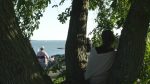
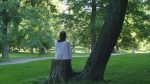
Intialainen perhe joka istui kalliolla piknikillä aivan jalavan edessä, ei ollut moksiskaan, kun menin puun alle istumaan, perheen äiti vain hiukan vilkuili ja tarkisti etten ollut vaarallinen, oletan. Kallioilla oli paljon muitakin lekottelijoita, vaikka he eivät näy kuvassa. Vaikka ilma oli lämmin ja miellyttävä, ei olisi ullut mieleenikään vähentää vaatteita ja jäädä kallioille lekottelemaan. Sao Paulossa oli viime viikolla todella kylmä, varsinkin asunnossa, joka oli suunniteltu olemaan viileä helleaikaan. Tällä viikolla ilma onneksi lämpeni. Heidän talvensa on kuin tällainen kesä. IFTR (International Federation for Theatre Research) konferenssista voisi sinänsä kirjoittaa paljonkin. Se on mittava tapahtuma, joka toistuu kerran vuodessa jossakin päin maailmaa – ensi vuonna Belgradissa – ja on usein aikamoinen kaaos. Katso konferenssin verkkosivut Mutta Sao Paulo kaupunkina olisi vielä kiinnostavampi kuvailun aihe. Se on niin valtava, että jo ensivaikutelmien kirjaaminen on ajatuksena uuvuttava. Toivottavasti ilmestyy jokin syy mennä sinne uudelleen…
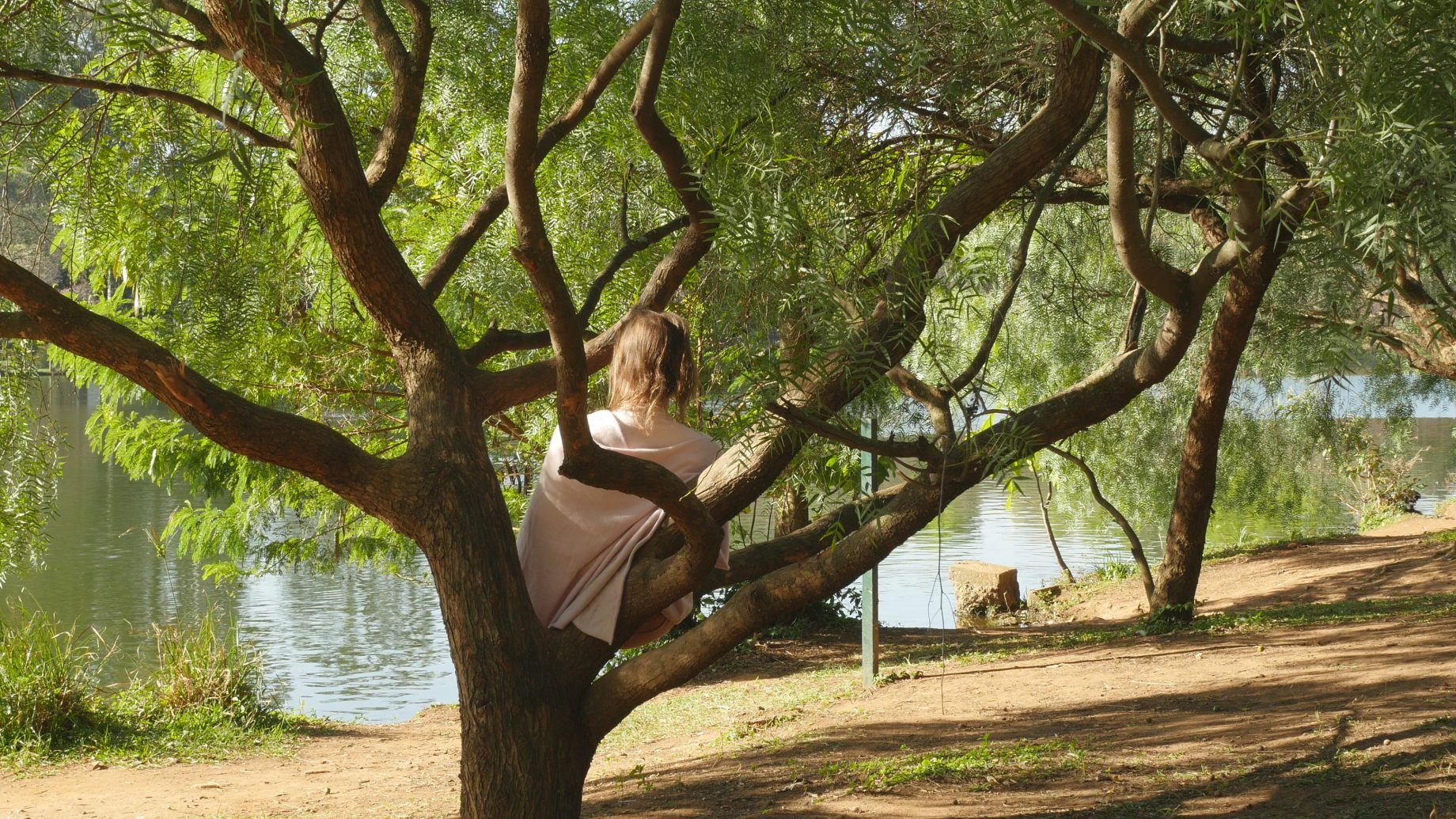
By the Lake in Parque Ibirapuera
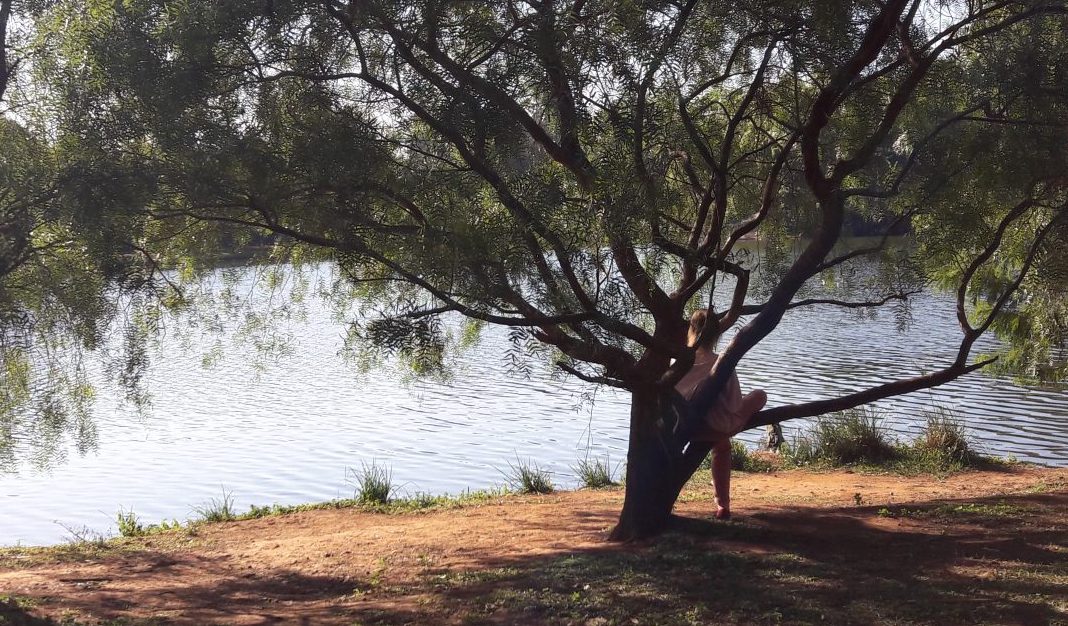
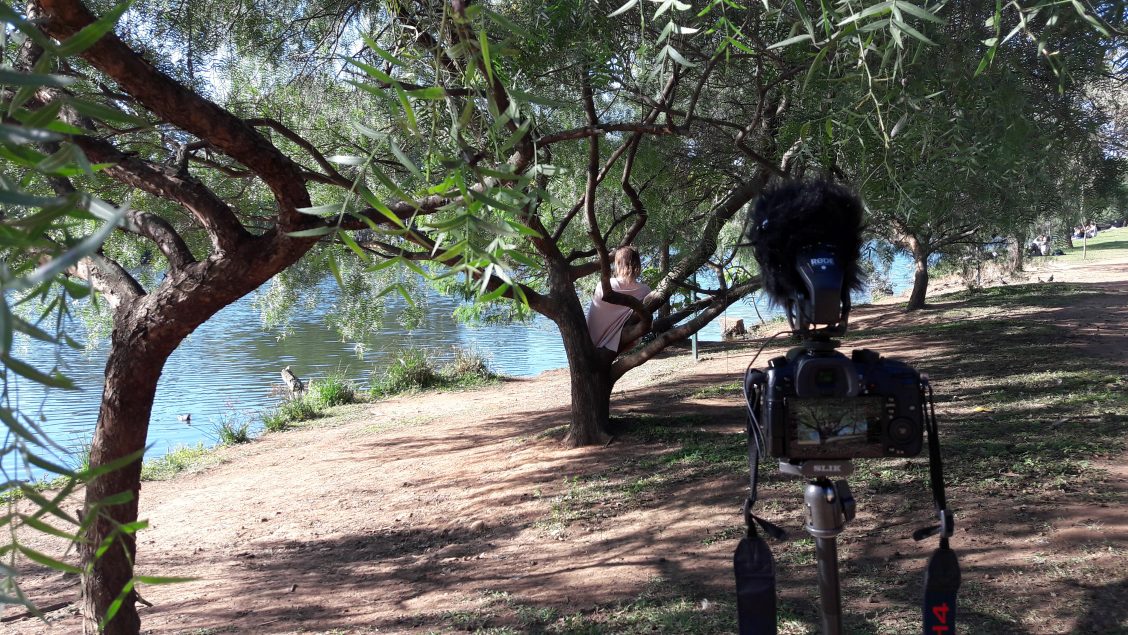
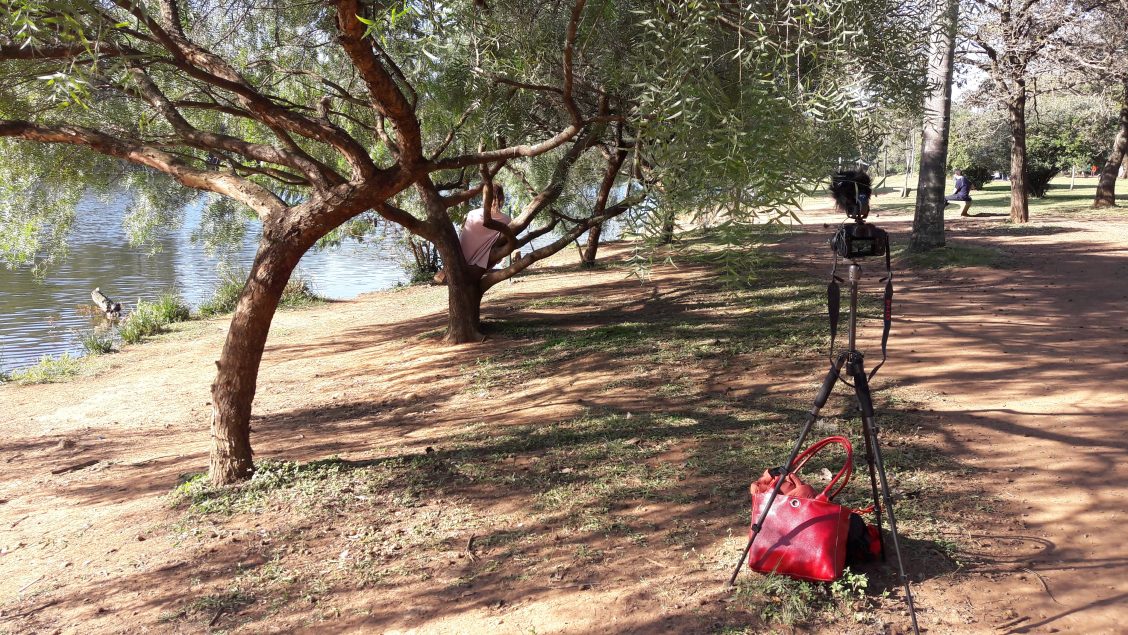
A visit to the famous Parque Ibirapuera in Sao Paulo was part of the preliminary tourist activities in connection to participating in the IFTR (International Federation for Theatre Research) conference next week. Together with Pilvi Porkola I followed Tero Nauha, who had been in Sao Paulo before, on a long and winding walk to the Ibirapuera park with the aim of visiting some of the museums there, and also perhaps sitting in a tree if a suitable one would show up. I imagined Sao Paulo to be a place where I would not want to walk away from my camera and leave it alone behind my back, but the park turned out to be calm and peaceful with strolling families. Almost immediately upon entering the park we saw some small trees by the lake, and although it seemed strange to jump on the first one, it proved clever, because most of the other trees where big and beautiful but nothing to climb in with my skills and limited strength. I invited Tero and Pilvi as my assistants to relax on the grass and keep an eye on the camera, while I tried to find a comfortable place in the small tree by the lake. That proved easier said than done. Of my repeated attempts I actually edited an additional video called “Finding a place in Ibirapuera Park”. The main work, that is, the version where I sit still on the lowest branch of the tree, called “By Lake Ibirapuera” looks rather peaceful, which is an illusion, because the position was extremely uncomfortable. This small and beautiful tree which resembled an acacia, but quite definitely was not an acacia, proved rather unwelcoming despite its low branches. It provided a perfect place to watch life on the shore, however, and in the water, too, which housed big fish coming to the shore, perhaps expecting to be fed, and beautiful black birds.
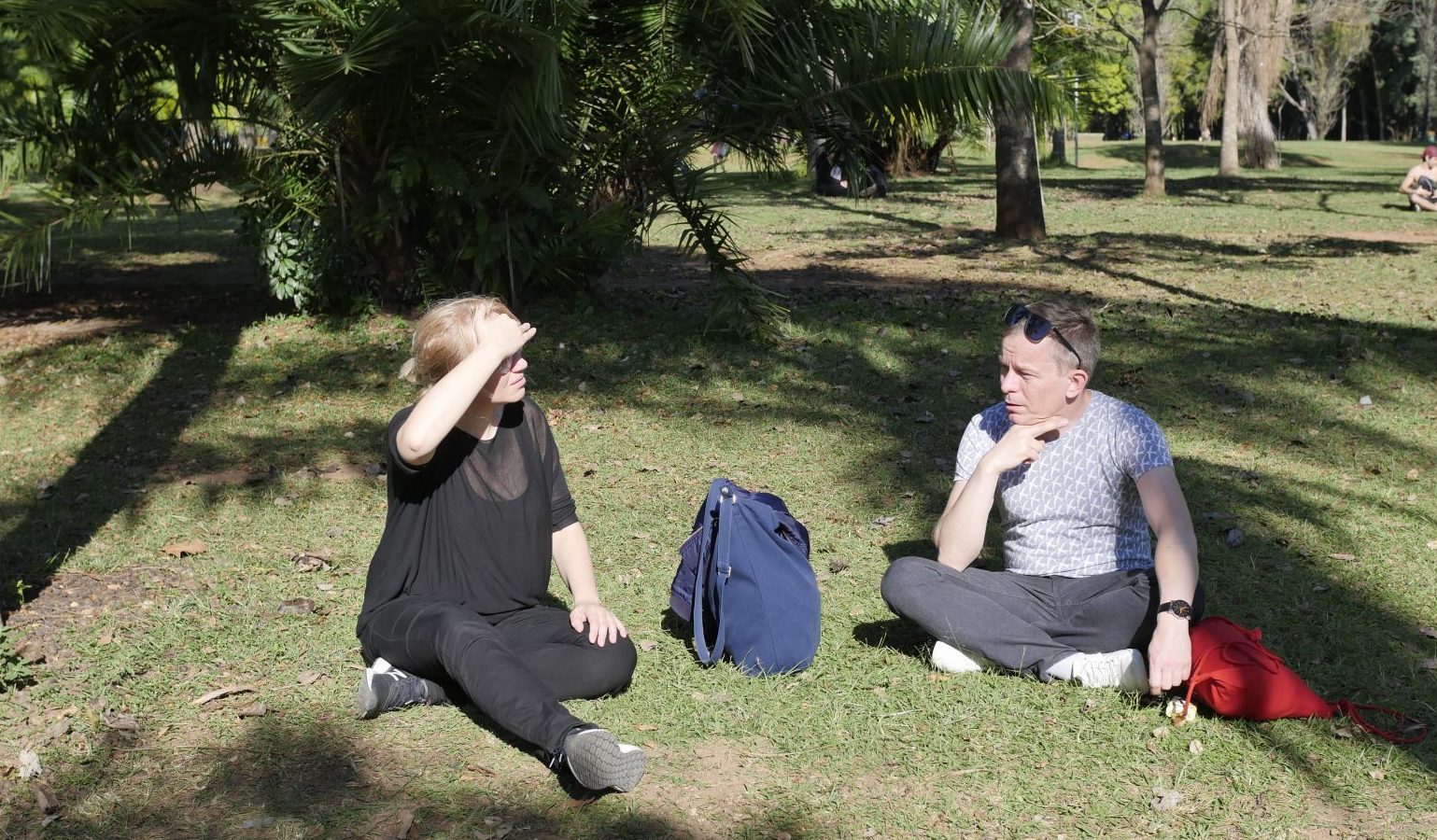
Pilvi took some images as documentation, which show the situation better than the video stills:
Rain, rain, rain
There was no chance to wait for nicer weather, this Monday morning was the only time, in the coming two weeks or more, I could visit the trees in Helsinki because of travel. So nothing to do but to go out and hope that the camera would survive the drizzle. I put my phone in one of the pockets of the bag and the keys in the other, and realized only half way down the stairs that I needed my purse, too, if I wanted to take the boat to Harakka Island to water the plants in my studio before the trip. I began with the alder, and then continued up to the elm on the hill. The foliage of the elm provided some protection for the rain, but the drops were becoming bigger and the drizzle turned to rain. The camera was collaborative, however, no problem, so I finished both images and walked down to the pier to wait for the boat. Only one the way did I look for my phone, and realized to my horror that the pocket of the bag was empty, and so was the other one, no phone, no keys! Should I turn back and search for them by the trees; they had probably fallen out without my noticing, that is, not get off on the island, but take the ride back? And what if I did not find my phone, could I travel to Sao Paulo in the afternoon without a phone? Or should I take the chance that I could find somebody to let me in to the building on the island? Yes, I would try. So I jumped off and let the boat continue to Särkkä without me. I expected the exhibition in the old telegraph building to be open, but the doors was closed. Through the window I saw Virpi and went in to ask her for the keys to the house. And at that very moment I put down my bag, and realized it had pockets on both sides. There they were, the phone and the keys. I laughed and excused myself with my age and went up to water the plants as planned.

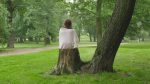
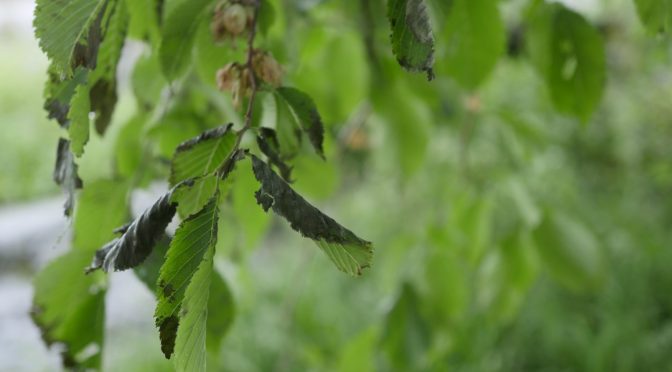
On the way back I thought about this pseudo-drama and the way everyday life is full of such incidents. The real drama, however, might be taking place in silence before my very eyes. The elm is suffering of an attack by some strange fungi or perhaps insects, something that destroys its leaves…


Högsommar och häftig vind
Efter två morgnar med solsken och känsla av högsommar trots det relativt kyliga vädret, var det i morse dags för mulen himmel och häftiga vindbyar. Det såg inte så farligt ut när jag gick hemifrån men då jag klev upp på berget insåg jag snabbt att här behövdes det vikter för att hålla kamerastativet upprätt. Lyckligtvis var det lätt att låna en sten från högen med lösa gatstenar intill Nordenskjölds staty, och det räckte med en placerad i min väska hängande från stativet för att förflytta tyngdpunkten lägre ner och stabilisera det hela. Nästan, det vill säga. Stativet ramlade omkull en gång i den större bilden, som jag tar från sluttningen, så jag fick göra om den, och så ramlade den omkull en gång till vid närbilden under trädet. Den gången var det för att grenarna vällte omkull den. Så det blev att sitta en gång till för den bilden också. Och den andra gången stod stativet visserligen upprätt, men grenarna skuffade till kameran så att den flyttade sig åt sidan en aning, vilket ändrade bildbeskärningen totalt. Se bilden nederst. Jag valde att inte göra ett tredje försök, utan satt med kameran och höll i den ett par minuter för att ha något slags bild ifall förskjutningen inte skulle fungera vid editeringen. – Den andra platse, alstubben nere i parken var det inget problem med. Där var det nästan lugnt och still, medan vinden ven i trädkronorna och uppe på klipporna.




June – Month of the Oak
The image that I had in mind for the oak in the tree calendar was of an old oak tree with a rough bark and some strong branches extending almost horizontally from the trunk. Oaks tend to grow that way, and they can get very old, too. The other requirement was that my ideal oak partner would grow somewhere in the eastern shores of Helsinki, as a counterpoint to the birch, rowan and alder, which have all been on the western shores. Although I already recorded the Hawthorn as the tree of June I would add the oak for June as well, because the month of the oak stretches from June 10 to July 7, at least in one of the versions of the calendar, and I would not be here in the beginning of July. Most oaks in Finland are planted, although there are oak forests in the southern parts. Last week I made a trip to the Arabianranta area near the Vantaa falls, and found only one oak in the park there. It was growing in the midst of shrubs and did not look like an ideal partner at all, so I let it be. Today I decided to take the metro to Brändö – Kulosaari, an island and old villa area east of the centre, to see if I could find any old oak trees there. And funny enough, I found exactly one in the Eugen Schauman Park. It is not very old and it has no branches to sit on or even hang from, but I decided this would be my partner and so be it. I tried to reach the lowest branch but did not get enough of a grip to hang from it and could not stand the stretch for long. I tried with the other arm as well, but in the end I realized the right thing to do was to lean against its rather slender trunk and relax. So I did just that.


The following day I edited the simple version, leaning against the oak, into a video work called Oak in June (8 min. 10 sec.). But I wanted to document my attempts as well, and compiled them into Oak in June – testing (3 min. 32 sec.) Both can be found in the research catalogue as Oak in June.
Kesäpäivän seisaus ja Juhannus
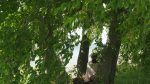
Tänä vuonna kesäpäivän seisaus osui keskiviikolle 21.6. mutta Juhannus lauantaille 24.6. Eli juhannusaatto oli perjantai, mikä tarkoittaa pitkää juhannusviikonloppua. Silti se hetki kun päivä on pisimmillään on vähintään yhtä merkittävä, planetaarisesti se oikea juhlahetki. Vierailin puiden luona poutasäällä mutta puuskaisessa tuulessa keskiviikkona, jolloin kamerajalusta yllättäen kaatui lähikuvassa, joka yleensä tuntuu tukevalta ja suojaiselta paikalta, erityisesti koska asetan jalustan ison kiven kulmaan ja lasken sen matalammaksi. Kuva yllä on pysäytyskuva videolta, sillä kamera tallensi tunnollisesti myös kaatumisen. Ja nyt osasin suhtautua rauhallisesti ja vain lopettaa kuvaamisen ja sammuttaa kameran tavalliseen tapaan ennen kuin asetin sen uudelleen paikoilleen, tukevammin. Oletettavasti jalavan oksa oli tuulen voimasta pyyhkäissyt kameran kumoon. Torstaina sää oli suotuisampi, pilvipoutaa, mutta tyynempää eikä sadetta juuri kuvaushetkellä aamupäivällä. Perjantaina tummat pilvet pyyhkivät kaupungin yli ja pudottivat vetensä lyhyinä kuuroina pitkin päivää, mutta aamu oli vielä aurinkoinen. Ja iltakin oli pääosin kuiva vaikka pilvet näyttivät uhkaavilta. En tehnyt juhannustaikoja, en kerännyt kukkakimppua tyynyn alle tai muuta vastaavaa sen enempää kesäpäivän seisauksen aikaan kuin juhannusyönäkään, mutta kokkovalkean halusin nähdä. Siinä on taikaa kylliksi. Vielä ei kesä ole kunnolla alkanut, mutta nyt siis päivät alkavat lyhentyä!
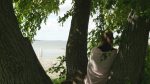
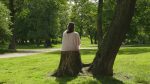
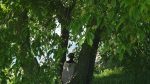
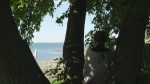
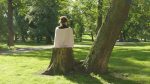
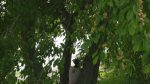
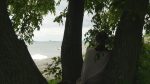
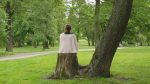

Palaneessa pöheikössä
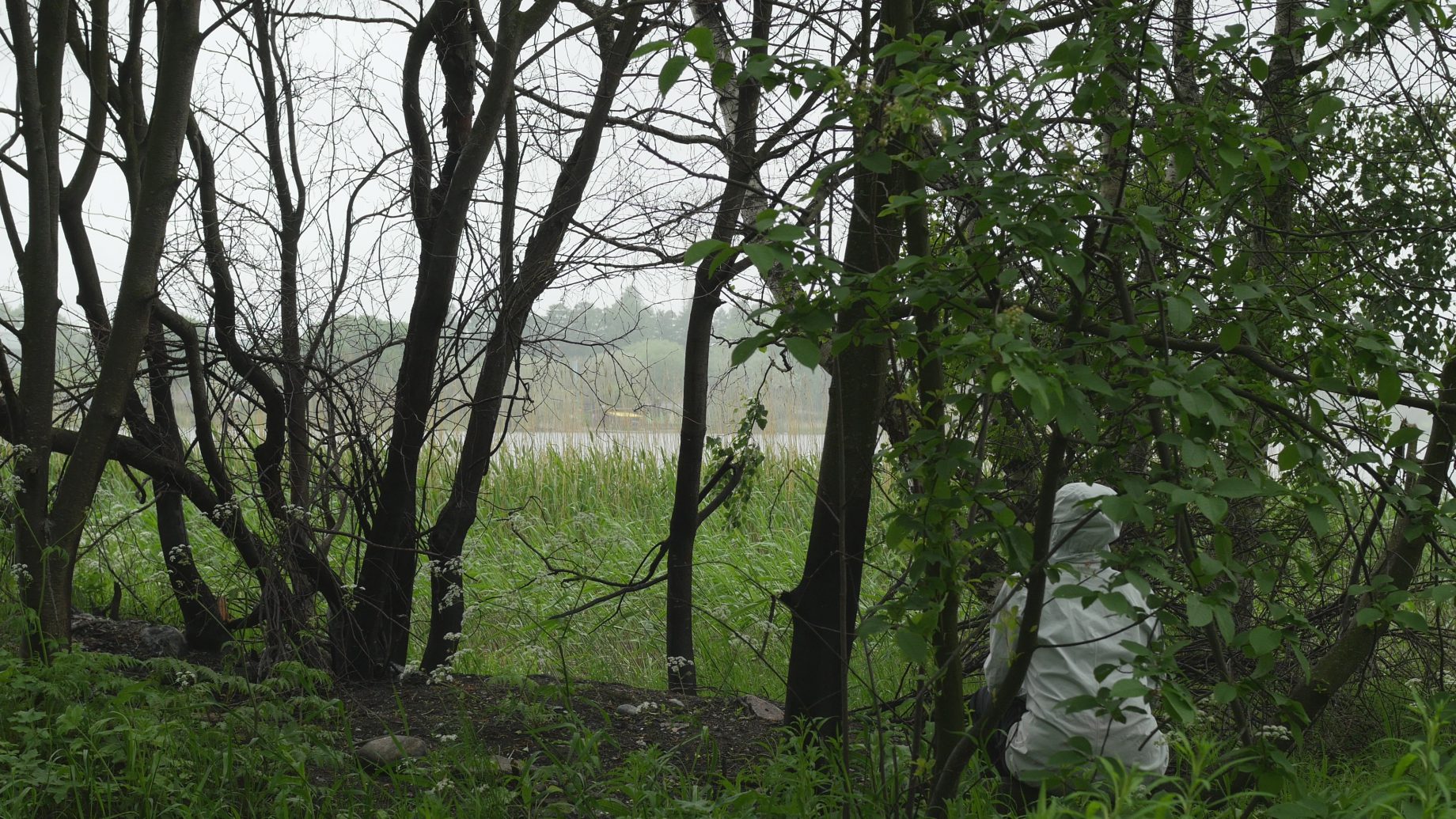
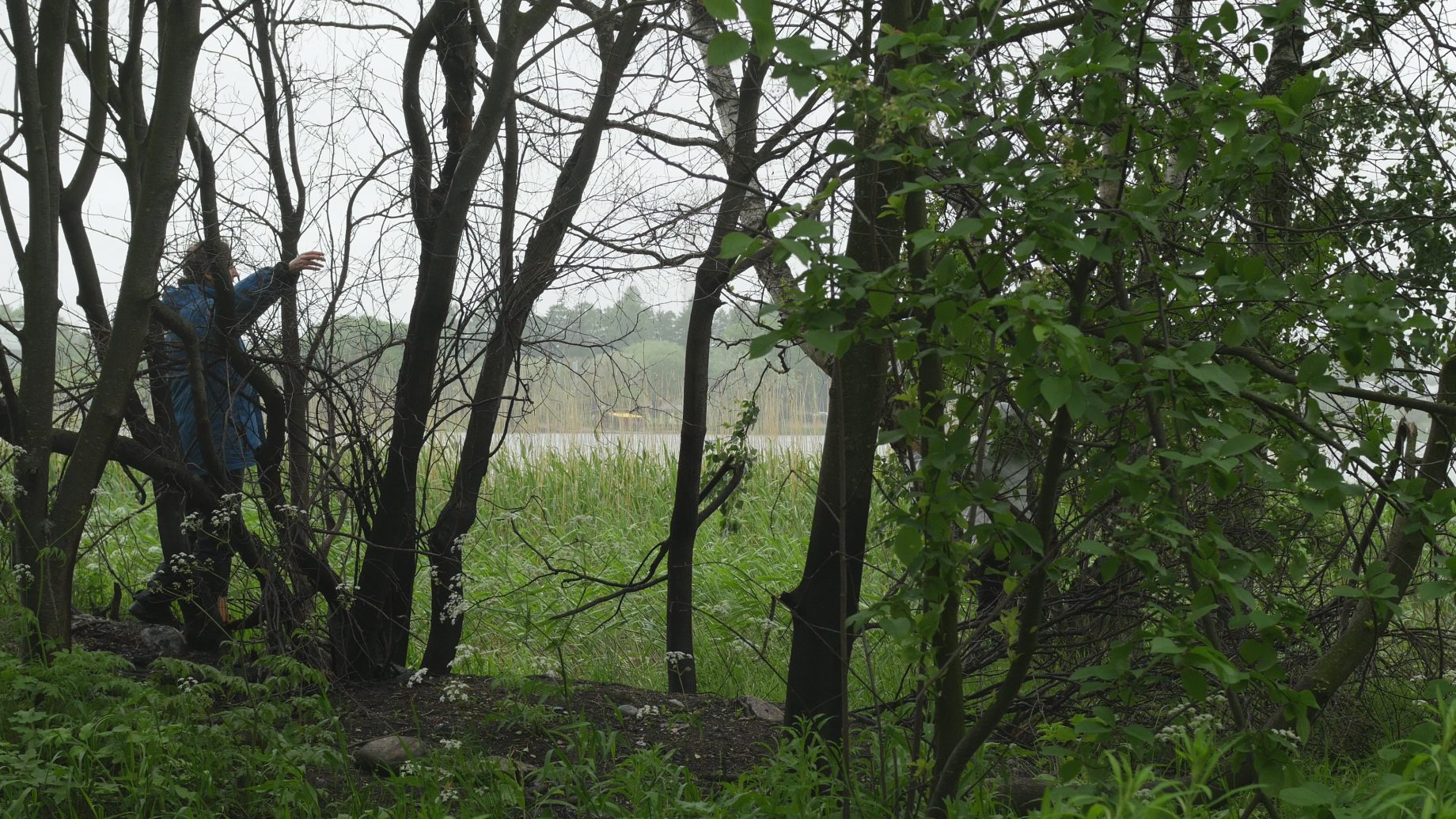
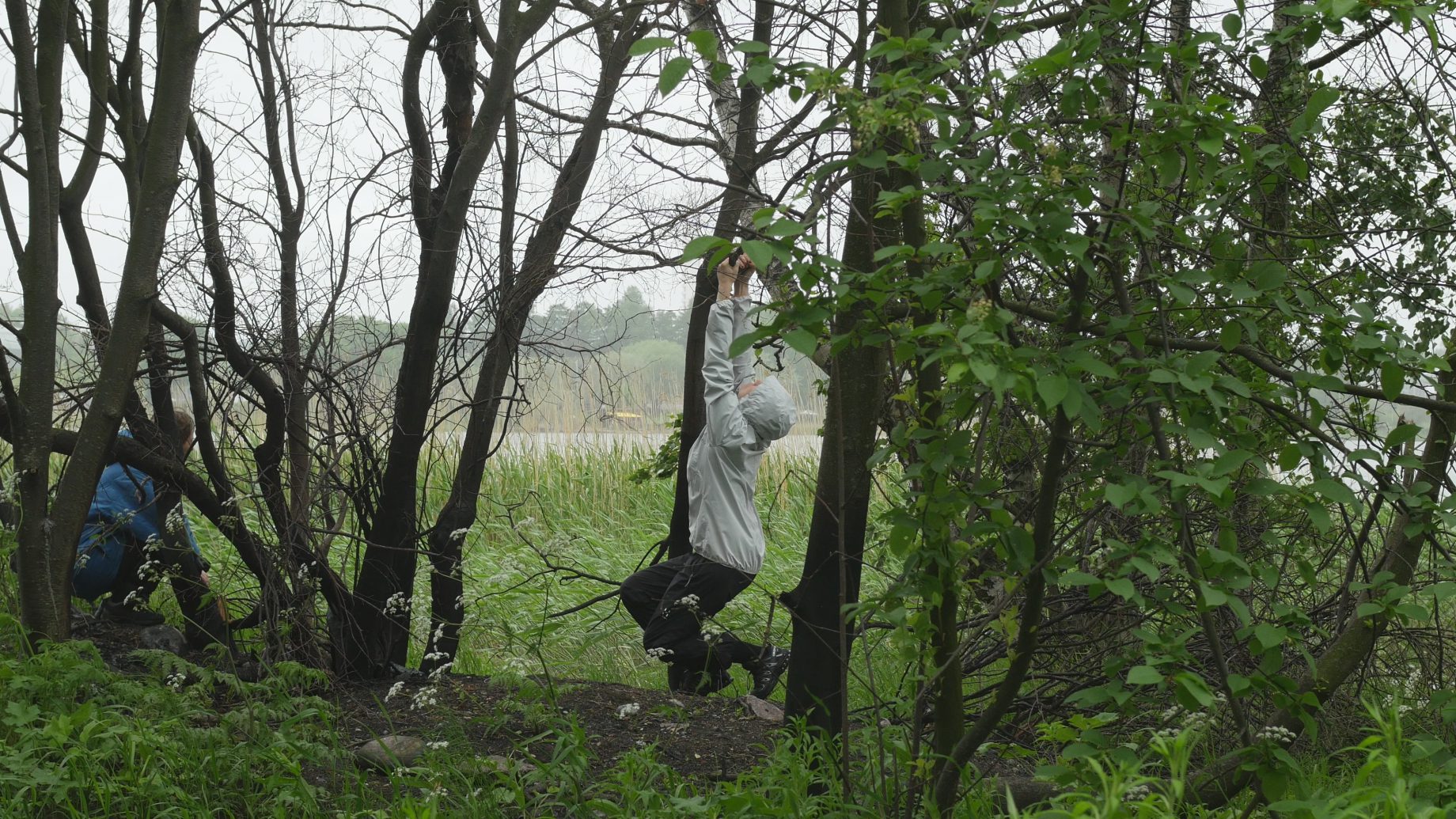
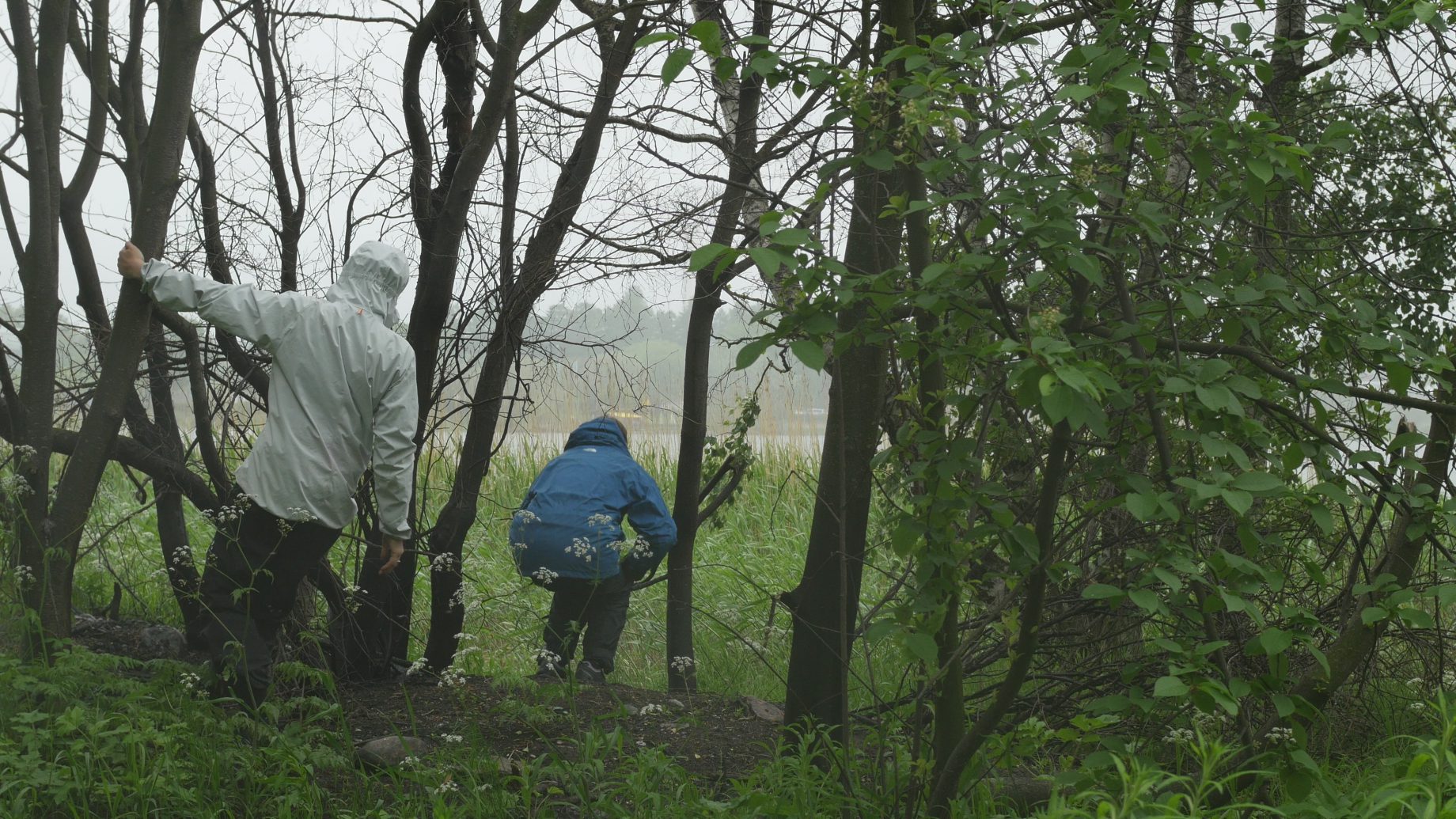
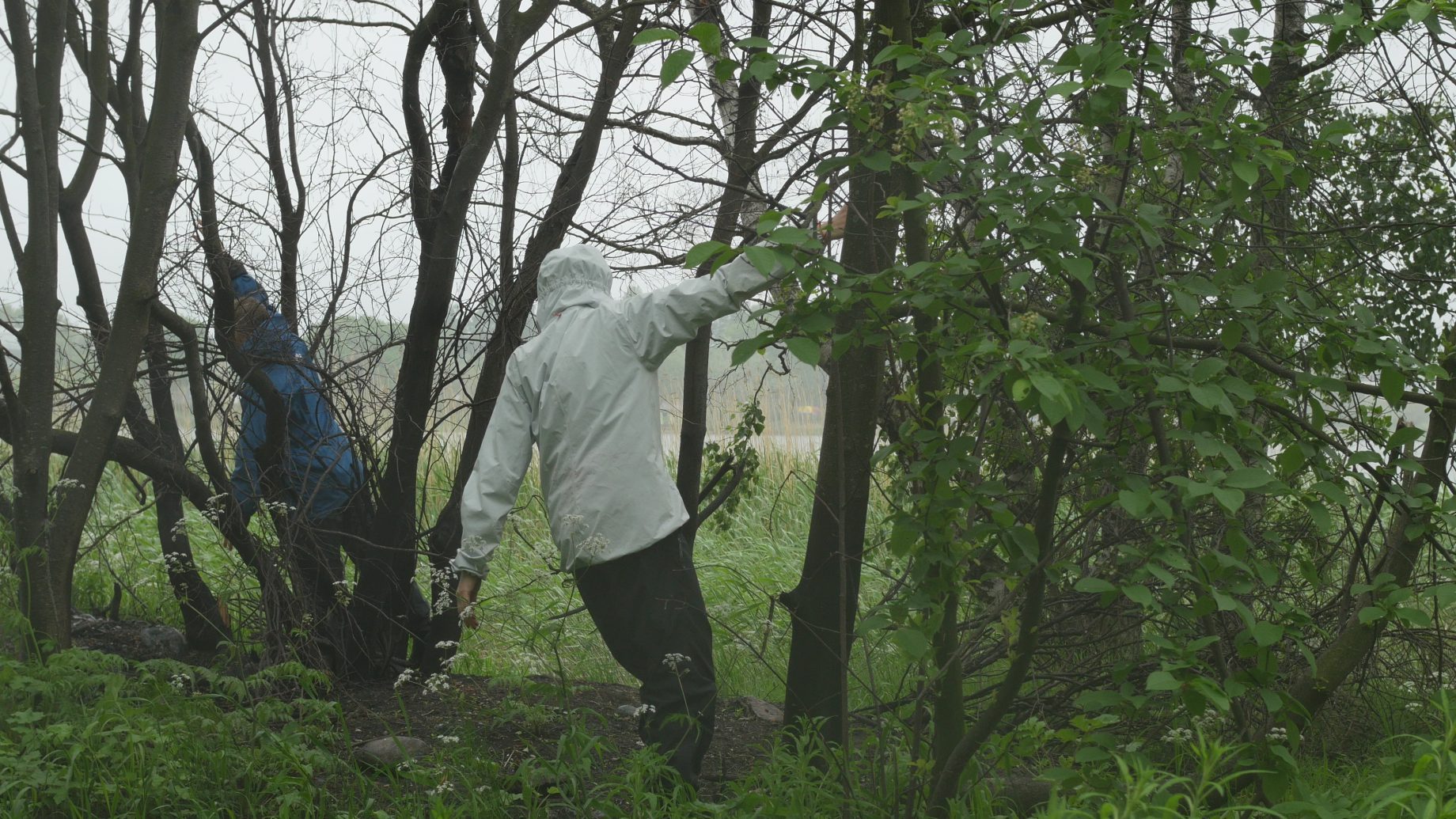
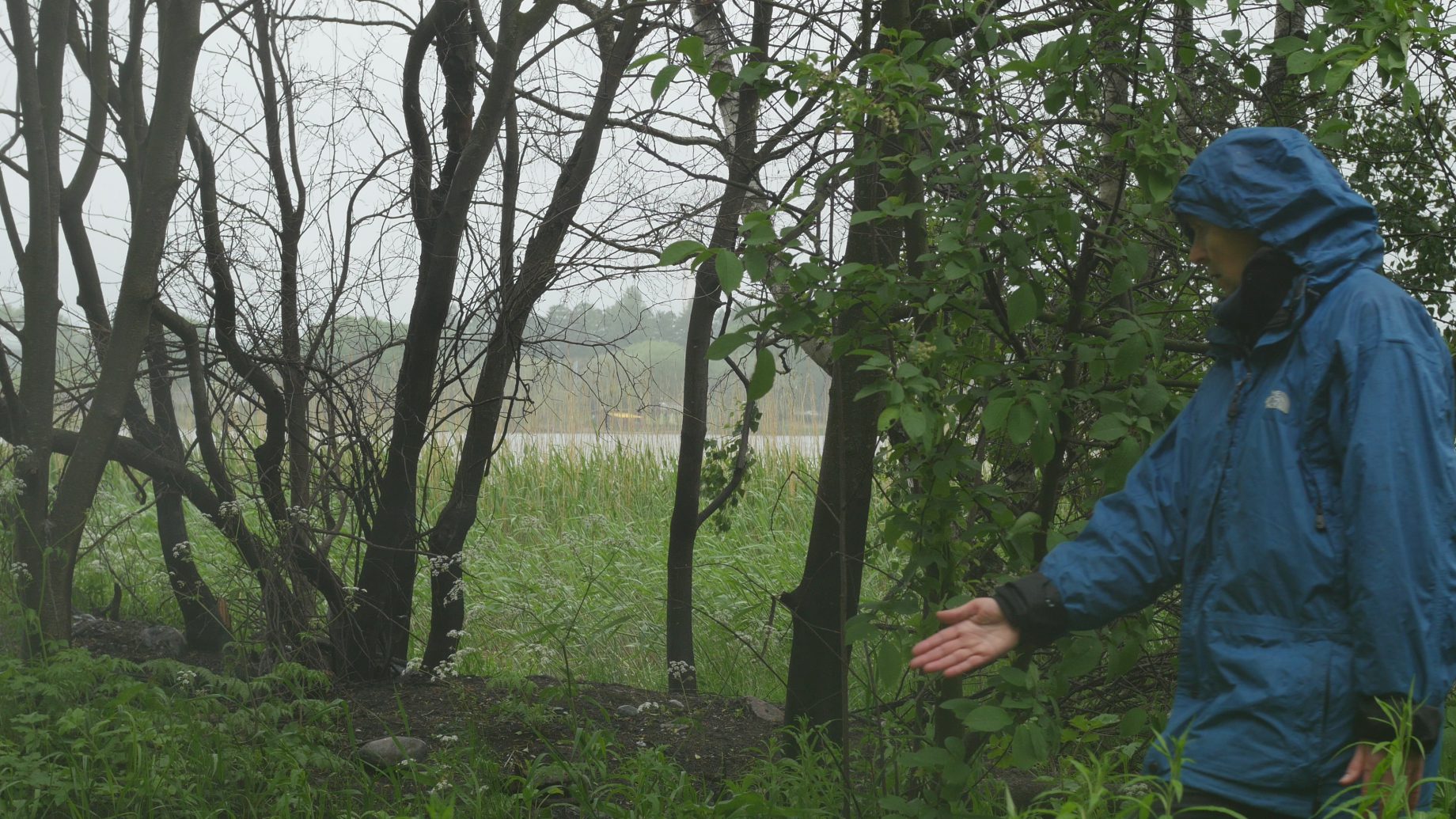
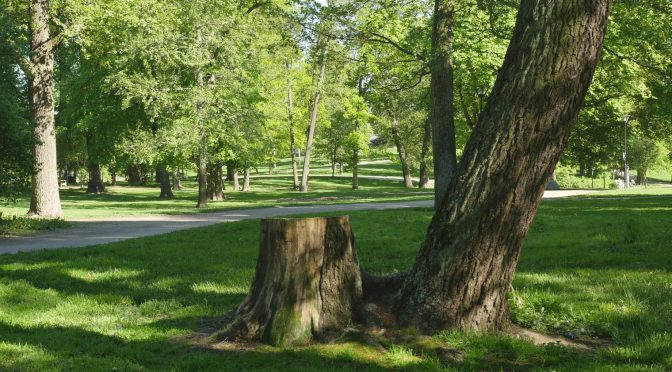
Puoli vuotta ehti vierähtää ennen kuin pääsimme uudestaan pöheikköön liikkumaan, Kirsi Heimonen ja minä, ja vielä samalle paikalle, oudolle palaneelle alueelle Töölönlahden rannassa, jossa vierailimme pakkasessa tammikuussa, ja josta on säilynyt myös blogimerkintä Kulon jäljet Töölönlahden rannassa. Paikka oli helppo löytää, vaikka se näytti todella erilaiselta kesän vehreyden peitossa ja vielä sadesäällä, mutta suhteellisen saman kuvakulman löytäminen ei ollutkaan yhtä helppoa, koska maaston kasvillisuus houkutti etsiytymään sivummalle, mutta lopulta löytyi suurin piirtein sama näkymä. Horisontti tosin oli viimeksi ylempänä, nyt asetin sen vaistomaisesti kuvan puoliväliin. Mustaksi palaneet rungot olivat entisellään ja näytti siltä kuin joku olisi sytyttänyt tulen puiden väliin, mikä vaikutti kyllä älyttömältä. Osa puista oli kuolleita, vaikkei niiden runko ollut kuin hiukan noessa, mutta voihan olla että niiden juuret olivat vaurioituneet palossa. Näkymä ei tietenkään ollut yhtä dramaattinen kuin mitä mustat hiiltyneet rungot olivat olleet lumihankea vasten. Mutta mustuneet puut tuntuivat nyt entistä enemmän kuolleilta kun kaikki ympärillä rehotti elinvoimaisen vihreänä. Liikuimme samoilla paikoilla, minä istuin matalalle oksalle jossa istuin talvella ja kiipesin jopa koivuun koska muistin sitä edellisellä kerralla yrittäneeni. Muuten liikuin nyt enemmän ja rohkeammin, ehkä lämpimämpi ilma ja kevyempi vaatetus helpottivat liikkumista, tai sitten tihkusade haastoi liikkeelle, olemaan piittaamatta siitä. Ympärillä oli vilskettä. Pullojen kerääjien joukko oli kokoontunut rannalle lähistölle, ja jossakin vaiheessa kävi mielessä, että olimme ehkä valloittaneet heidän vakiopaikkansa. Polkupyörälähetti kävi rannassa kääntymässä, kuin joku olisi tilannut ruokaa leiripaikalle. Sateen kiihtyessä poistuimme vähin äänin paikalta, kumpikin taholleen ja totesimme lyhyesti, että jatketaan. Poimin videolta muutaman stillkuvan, joista saa ehkä jonkinlaisen käsityksen:


Mitt i grönskan
Grönskan kändes nästan överväldigande efter en veckas paus i och med ett besök i Hamburg. Almens grenar hängde tunga av löv och frön och gräset i sluttningen omkring hade vuxit sig högt, för det ligger lite på sidan om de välklippta gräsmattorna. Efter en inspirerande PSi (performance studies international) konferens var det skönt att återgå till vardagen och jag besökte träden både på tisdag och onsdag morgon utan malörer. Då jag tagit den första bilden med almen på torsdagen larmade kameran plötsligt att batteriet höll på att ta slut och jag sträckte mig efter reservbatteriet i kameraväskan, men fick tag i en tom liten plastpåse. Inget batteri, ingen laddare, hade jag lämnat dem hemma? Men jag bytte ju batteri när vi var ute med Kirsi dagen innan? Nej, det var minneskortet jag bytte då… snabbt hem, det fanns inget annat att göra. Eller, nej, jag kunde ju använda slut batteriet och ta en bild så långt det gick, så jag gjorde det. Men för alstubben fanns inget batteri kvar. – Hemma letade jag överallt och försökte minnas var jag sett laddaren senast, och det var ju i Hamburg. Jag hade antingen glömt laddaren med batteriet i på hotellet, eller vilket var ännu troligare, i rummet där vi möttes med arbetsgruppen för konstnärlig forskning på Kampnagel. Den sista dagen försökte jag spela in diskussionen, och då hade jag bytt batteri. Så det var troligt att laddaren blev där när vi skulle skynda ut innan nästa grupp kom in. Så vad göra? Skaffa en ny laddare så snabbt som möjligt. Med det gamla batteriet som modell skyndade jag mig till Rajala Pro i centrum, sedan till Verkkokauppa i hamnen och därifrån ännu till telefoto, en liten butik på Elisabetsgatan. Där hade de en universalladdare som fick duga. Jag satte den i arbete med att ladda kamerabatteriet på mitt arbetsrum vid Helsinki Collegium for Advanced Studies medan jag rusade iväg till Skatudden. För nu var det dags för Pekka Kantonen’s disputation. Jag hade läst igenom manuskriptet till hans bok Generational Filming. A Video Diary as Experimental and Participatory Research då jag var professor i konstnärlig forskning på bildkonstakademin förra hösten, och var nyfiken att höra diskussionen. Boken finns att tillgå i Helda, här, och den finns i sin helhet, inklusive exempel på videomaterialet, på research catalogue också, här. Även om Kantonens familjeprojekt skiljer sig rätt mycket från det jag gör,finns det likheter också, som till exempel betoningen på vardagen och processen. Mellan disputationen och festen på kvällen hann jag hem för att byta kläder, och för att besöka alen i parken också, som faktiskt såg rätt annorlunda ut i eftermiddagsbelysning. Huruvida jag skall försöka få tillbaka laddaren och reservbatteriet från Hamburg, har jag inte bestämt ännu. Det gäller att avväga ifall det är värt besväret att försöka utreda var den finns, med tanke på transportkostnaderna. Men i varje fall blev det tre dokumenterade besök hos almen och alen igen – mitt i grönskan.




 Performing Landscape