

Finally, at the end of year 2018 I managed to edit a final screening version of the Helsinki tree calendar performed and recorded in 2017, partly spurred by my wish to finish the Stockholm Tree Calendar by the end of the year, summarized in Swedish here. The Helsinki Tree Calendar was something I began on impuls, trying to connect my old (still on-going) project of talking trees with the then new project Performing with Plants. I made several versions of some of the trees, and had serious trouble in finding some of the so-called trees in the Celtic tree calendar, like the ivy, in Helsinki, so I made some adaptations. Here comes a list of the versions I chose for the screening compilation and the installation version, as they are actually meant to be shown as a calendar, one at a time, with duration and day of recording added:
The birch 24 December – 20 January:
Birch in January 4 min 41 sek. (Munkkiniemenranta 21.1.2017)
The rowan 21 January – 17 February:
Rowan in February 4 min 43 sek. (Särkiniemi 11.2.2017)
The ash 18 February – 17 March:
Ash in February 5 min 48 sek. (Kaivopuisto 18.3.2017)
The alder 18 March – 14 April:
Alder in April 12 min 40 sek. (Mellstenin ranta 11.4.2017)
The willow 15 April – 12 May:
Willow in May 9 min 44 sek. (Harakka Island 6.5.2017)
The hawthorn 13 May – 9 June:
Hawthorn in June 18 min 6 sek. (Observatory Park 7.6.2017)
The oak 10 June – 7 July:
Oak in June 8 min 10 sek. (Eugen Schauman’s Park 26.6.2017)
The holly 8 July – 4 August:
Holly in July 9 min 22 sek. (Kaisaniemi Botanical Garden 30.7.2017)
The hazel 5 August – 1 September:
Hazel in August 9 min 35 sek. (Herttoniemi Manor Park 20.8.2017)
The vine 2 September – 29 September:
Vine in September 5 min 15 sek. (yard in Ullanlinna 16.9.2017)
The ivy 30 September – 27 October:
Ivy in October 8 min 23 sek. (at home 1.11.2017)
The reed 28 October – 23 November:
Reed in November 8 min 22 sek. (Arabianranta 22.11.2017)
The elder 24 November – 23 December:
Elder in December 13 min 38 sek. (Kaivopuisto 2.12.2017)
The screening version is a compilation of 1 min.20 sec. of the beginning of each chosen tree, Helsinki Tree Calendar 17 min.42 sec. in all. The installation version, Helsinki Tree Calendar – Installation, consists of 4 min. 40 sec. of the beginning of each chosen tree, ideally to be shown in thirteen monitors, all synchronized.
All posts by Annette Arlander

Revisiting the Rusty Ring
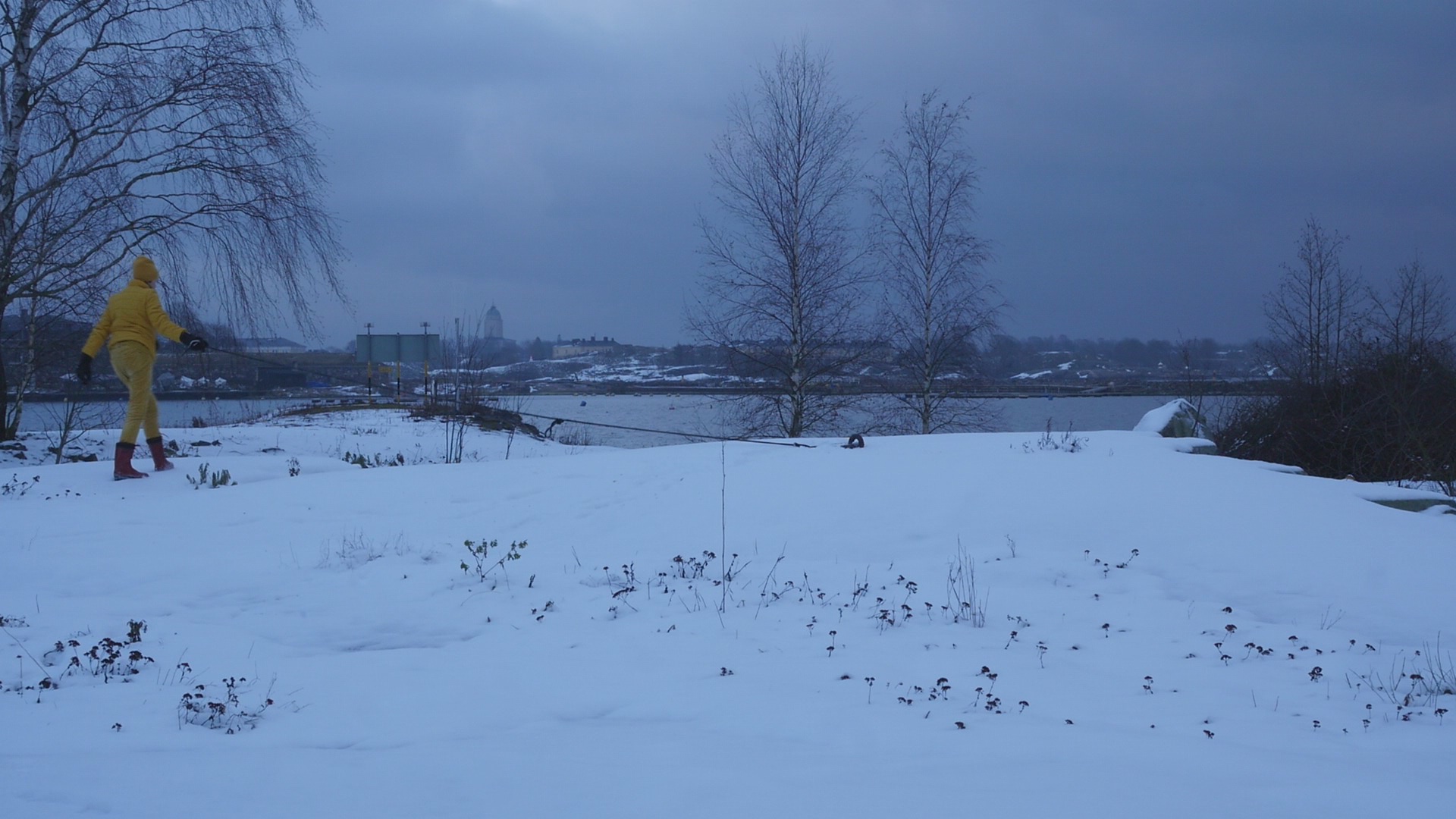
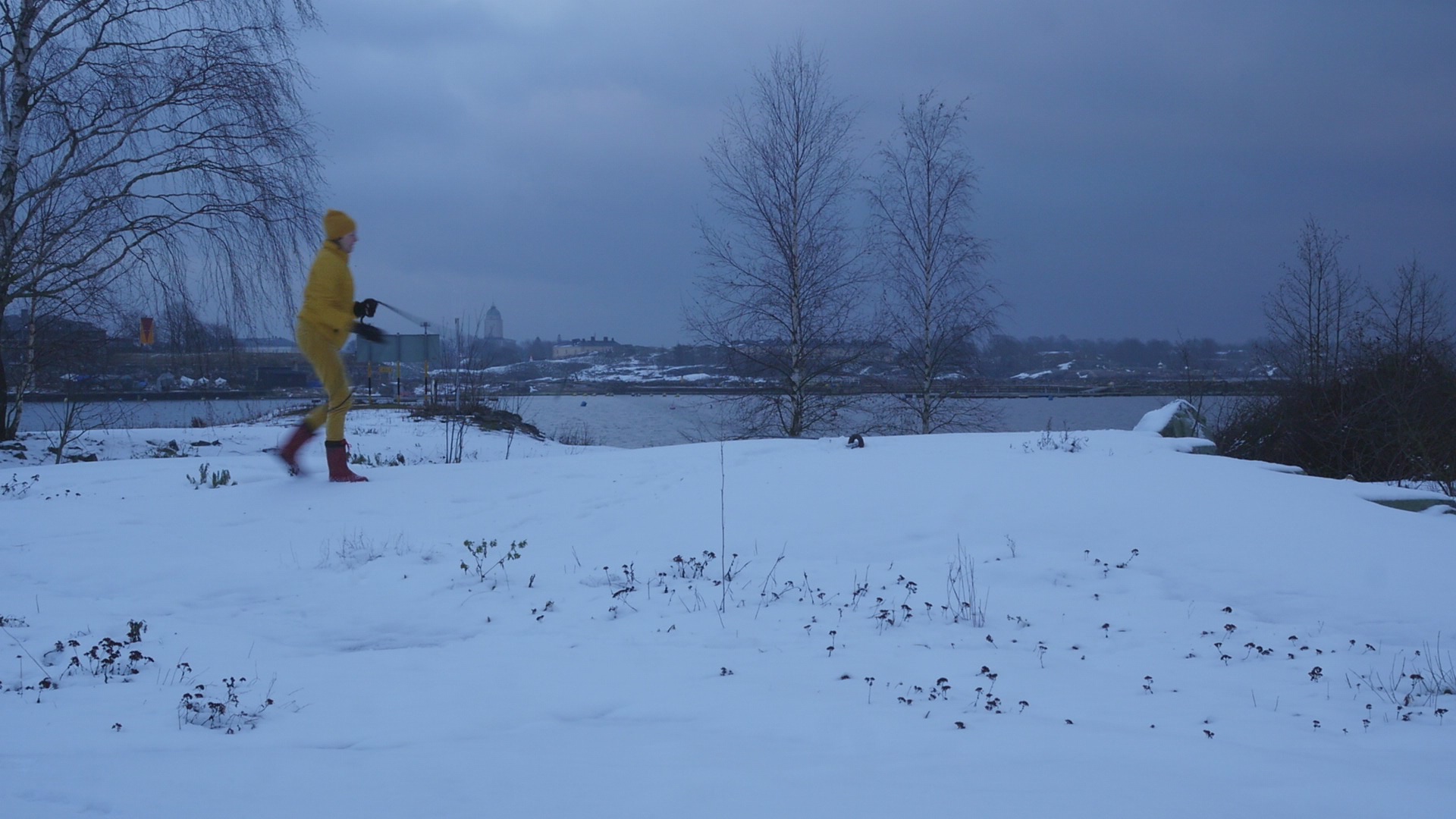
While heading to Harakka Island last Thursday with Marika and Pira to take the boat up for the winter, I decided to try to revisit the next site of Animal Years, to have some material to work with for the next research day to be organized by the HTDTWP (How to do things with performance) project. I brought my camera and tripod and planned to sit on the rusty buoy on the hill, because that was the main image of the Year of the Ox, I thought. But then I realized that the day and night of the ox was actually recorded circling the rusty ring on the cliff in the southeastern part of the island, so I had better choose that spot for my revisit.
The full-length version Year of the Ox – Walking in Circles is 1 hour 30 minutes, while Year of the Ox – Walking in Circles (short) is 19 min 16 sec and Day and Night of the Ox is only 14 min 15 sec. That year I visited several places each week, so there are other works (and sites) I could have chosen, such as Year of the Ox – Riding a Buoy, Year of the Ox – Sitting in the Wall or Year of the Ox – In a Yoke.
After finally succeeding in getting the boat up – Marika and Pira were incredibly strong, in willpower, I would say – I looked for the rusty iron chain that I used to attach to the rusty ring on the cliff, but could not find it. There was no time to lose, we would get a lift back to the mainland with Saara in an hour, so I grabbed the rope that I had just removed from the boat and decided that would have to do. The site was easy to find, and the approximate spot for the tripod as well; unfortunately I did not take the time to make a test image, but jumped right into action. And that meant the framing was slightly off, or perhaps the rope was a little bit too long (and I did not have a belt to tie it to). In any case, the circle I drew by walking around the rusty ring was too big, so I disappeared outside the frame on both sides. This I noticed only later, at home. I knew about 25 minutes of material would be needed to be able to insert the 20 minute year and the almost 15 minute day and night into the new image, so I left the camera on to record the view and moved further a way to keep warm. When I returned I noticed the camera had stopped at 21 minutes (I remembered the limit was 29 minutes) and I had to restart it. But of course the clouds had moved, and the light had changed; I should have been there standing next to the camera to restart it immediately in order to minimize the ‘jump’.
My plan was to edit the material during the Christmas holiday, but when I began to do that I noticed, to my chagrin, that I had forgotten to bring with me the original videos of the Year of the Ox (2009-2010). Technically this image is not actually needed as a background, because year of the ox was the first year that I used 16:9 format and HD (or HD ready) quality. But the point of revisiting the site and the action had to be recorded, of course. So I only edited the basic image, and the compilation, inserting the old works into this new background, remains to be done later this winter. After all, the research day is only on the 20th of March.



Hankala kysymys
Sain sähköpostitse haastavan kysymyksen. Eräs opiskelija kertoi osallistuvansa kurssille, jolla pohditaan solidaarisuuden ja vieraanvaraisuuden käsitteitä suhteessa luontoon ja lähettävänsä kysymyksen eri alojen asiantuntijoille; filosofeille, poliitikoille, taiteilijoille. Hän kirjoitti: ”Koska taiteessasi olet usein suhteessa luontoon, aikaan ja olemassaoloon, koimme, että olisit varmaankin juuri oikea henkilö, kenelle esittää tämä kysymys.” Ja kysymys kuuluu: ”Miten solidaarisuus ja vieraanvaraisuus Sinun näkökulmastasi toteutuvat nykyisessä ilmastomuutoksen ajassa?”
Hankala kysymys, sillä ensimmäinen reaktioni oli, etteivät ne oikeastaan toteudu juuri lainkaan ja seuraava ajatukseni oli, että omassa työssäni olen molempien suhteen enemmänkin vastaanottavana osapuolena. Mutta sitten ryhdyin miettimään noita käsitteitä, ja miten niitä yleensä käytetään, politiikassa ja arkielämässä. Solidaarisuus toteutuu ehkä parhaiten silloin kun erilaiset vähemmistöt ja intressiryhmät tai alistetussa asemassa olevat tukevat toisiaan ja yhdistävät voimansa sen sijaan että kilpailisivat huomiosta. Vieraanvaraisuus taas tuo heti mieleen kysymykset omasta ja vieraasta, ja suomenkielisen termin erityiset merkitykset kuten vieraskoreuden, verrattuna englanninkielen sanaan hospitality, (vrt host ja myös hospital, hospice). Vieraanvaraisuus sisältää ajatuksen, että on isäntäväkeä ja vieraita, että on varaa, tai että on varauduttava vieraisiin. Kaapissa pitää olla vieraan varaa, jotakin tarjottavaa odottamattomillekin vieraille. Mutta vieraanvaraisuus ei ole sama asia kuin anteliaisuus, avun tarpeessa olevien auttaminen, tai yleensä avokätisyys, avomielisyys, avosydämisyys, suurpiirteisyys, jotka liittyvät sanaan ’generosity’. Ja jos nyt ajatellaan suhdetta luontoon, joka sinänsä on hankala käsite, on anteliaisuus ehkä sitä paremmin kuvaava kuin vieraanvaraisuus, sillä en ole luonnon ’vieras’ vaikka olisinkin ’vieraantunut’ sen monista olomuodoista. On vaikea ajatella mikä olisi ‘vierasta’, mikä olisi ’luonnon’ ulkopuolella?
Kysymys siitä, miten solidaarisuus ja vieraanvaraisuus toteutuvat nykyisessä ilmastomuutoksen ajassa, vaikka sitten minun näkökulmastani, kutsuu miettimään ihmisten osoittamaa solidaarisuutta ja vieraanvaraisuutta toisiaan kohtaan, tai mahdollisesti uhanalaisia lajeja, ympäristöjä tai elämänmuotoja kohtaan. Omasta näkökulmastani, siis omassa työssäni, ne eivät tosin toteudu oikein mitenkään, en esimerkiksi toimi suoraan ilmastonmuutoksen ehkäisemiseksi tai hidastamiseksi, vaikka huomion kiinnittämisen kasveihin ja kasvillisuuteen voi tietysti halutessaan siihen kytkeä. Sen sijaan koen jatkuvasti olevani kasvien ja tiettyjen puiden vieraanvaraisuuden varassa. Istuessani kuusen kannolla tai roikkuessani toistuvasti tietyn männyn oksassa ja kuvatessani esitykseni puiden kanssa videolle, käytän hyväkseni puiden ja muiden niiden ympärillä elävien olioiden anteliaisuutta, tai vieraanvaraisuutta, jos niin halutaan ajatella, vaikka ajattelisinkin eleeni myös jonkinlaisena yrityksenä solidaarisuuden osoitukseksi. Vierailen kasvien tai puiden luona, istun niiden kanssa, usein jopa niiden päällä, enkä edes tiedä aiheuttaako tunkeilevuuteni niille harmia tai haittaa. Mutta ’luonnon’ anteliaisuuteen liittyy, että monet kasvit selviävät hengissä, vaikka niistä tuhottaisiin suurin osa. Tätä kasvillisuuteen myötäsyntyisesti kuuluvaa anteliaisuutta ei kuitenkaan pitäisi käyttää väärin.
Ehkä Rosi Braidottin käsite zoe, jota hän käyttää kuvaamaan kaikkea elollista, voisi toimia jonkinlaisena solidaarisuuden avaimena. Hän käyttää ilmaisua zoe-keskeinen tasa-arvopyrkimys (zoe-centred egalitarianism) ja toteaa, että hallitsevana periaatteena se on dynaaminen, itsejärjestäytyvä elämän rakenne (dynamic, self-organizing structure of life), joka edustaa lisääntymiskykyistä tai tuottavaa elinvoimaa (generative vitality), läpileikkaavaa voimaa, joka halkoo ja yhdistää aiemmin erotettuja lajeja, kategorioita ja alueita (transversal force that cuts across and reconnects previously segregated species, categories, and domains). Hän ehdottaa, että zoe-keskeinen tasa-arvopyrkimys on materialistinen, maallinen, maanläheinen ja tunteilematon vastaus opportunistiseen lajit ylittävään elämän hyödykkeistämiseen tai kaupallistamiseen, edistyneen kapitalismin logiikkaan (a materialist, secular, grounded, and unsentimental response to the opportunistic transspecies commodification of life that is the logic of advanced capitalism.) (Braidotti 2017, 32)
Suhteessa kasveihin, tai laajemmin ’luontoon’, voisimme ajatella yhteistä osallisuuttamme zoe:en, lisääntymiskykyiseen tai tuottavaan elinvoimaan, jonka jaamme kasvien kanssa.
viite:
Braidotti, Rosi. 2017. ‘Four Theses on Posthuman Feminism’. In Grusin, Richard (ed.) Anthropocene Feminism. Minneapolis & London: University of Minnesota Press: 21-48.

Lehmuksen kanssa linnanpuistossa
Osallistuin tanssikonferenssiin Saksassa, Karlsruhessa, jossa teemana oli Der Tanz der Dinge tai Things that Dance. Lukiessani kutsun ajattelin heti Lofooteilla kuvaamaani videota Rainy Day in Rekdal, jossa sadepisarat saavat pääosan. Loppujen lopuksi siellä esitettiin sekä installaatio, jossa Rainy Day in Rekdal ja Grey Day in Rekdal ovat esillä vierekkäin, samaan tapaan kuin Radical Relevances -konferenssissa kesällä, mutta pienimuotoisemmin. Sen lisäksi ohjelmaan oli merkitty “screentalk” joten esitin Rainy Day in Rekdal videon ja puhuin sen päälle introksi kirjoittamani tekstin, joka oli edelleen kehittelyä siitä mitä puhuin Radical Relevances konferenssissa. Tarkoitukseni oli esittää se vain johdantona, ja näyttää koko 15 minuutin video itsenäisesti, mutta ilta oli jo pitkällä ja minun jälkeeni oli vielä toinen esiintyjä, joten lyhensin osuuttani yhdistämällä videon ja puheen päällekkäin, mikä luultavasti oli viisasta.
Sunnuntaina konferenssin jälkeen minulla oli aikaa kuljeskella puistossa ja rentoutua vähän. Aamulla olin tehnyt pienen videon puhelinkamerallani sarjaan The City as Stage, jonka aloitin Palermossa; kevyitä luonnoksia, joissa asetan puhelimen minijalustallaan jonkun laatikon tai penkin päälle ja astun kuvaan hetkeksi. Olen kirjoittanut siitä erikseen, englanniksi, toisessa blogimerkinnässä. Pieni video, jonka kuvasin Karlsruhen linnanpuistossa yhtäkkisenä impulssina oli oikeastaan tarkoitettu samaan sarjaan, mutta editoidessani siihen alku-ja loppuhimmennyksen tajusin, että se oikeastaan on samaa sarjaa kuin hetket puiden kanssa, vaikka ne on yleensä kuvattu kunnon kameralla. Poikkeuksena Krakova, jossa Pilvi kuvasi minut istumassa puun rungolla puhelinkameralla ohimennen, hiukan kuten tässä. Tällä kertaa puhelin oli jalustalla.


Huvittavinta tietysti on, että jostakin syystä valitsin tämän näkymän, joka on täynnä nurmikolla liikkuvia ihmisiä, ja varsin nuoren ja melko yhdentekevän lehmuksen, jonka luona seistä, nimenomaan tässä vanhassa puistossa joka oli täynnä toinen toistaan kiinnostavampia puuvanhuksia. Mutta syynä oli luultavasti ajatus, että tässäkin oli kyse kaupungista näyttämönä. Niinpä lopputuloksena on jonkinlainen hybridi – sekä kuva aukiosta ja ihmisistä, että kuva hetkestä tietyn puun kanssa.

The City as Stage 1 and 2
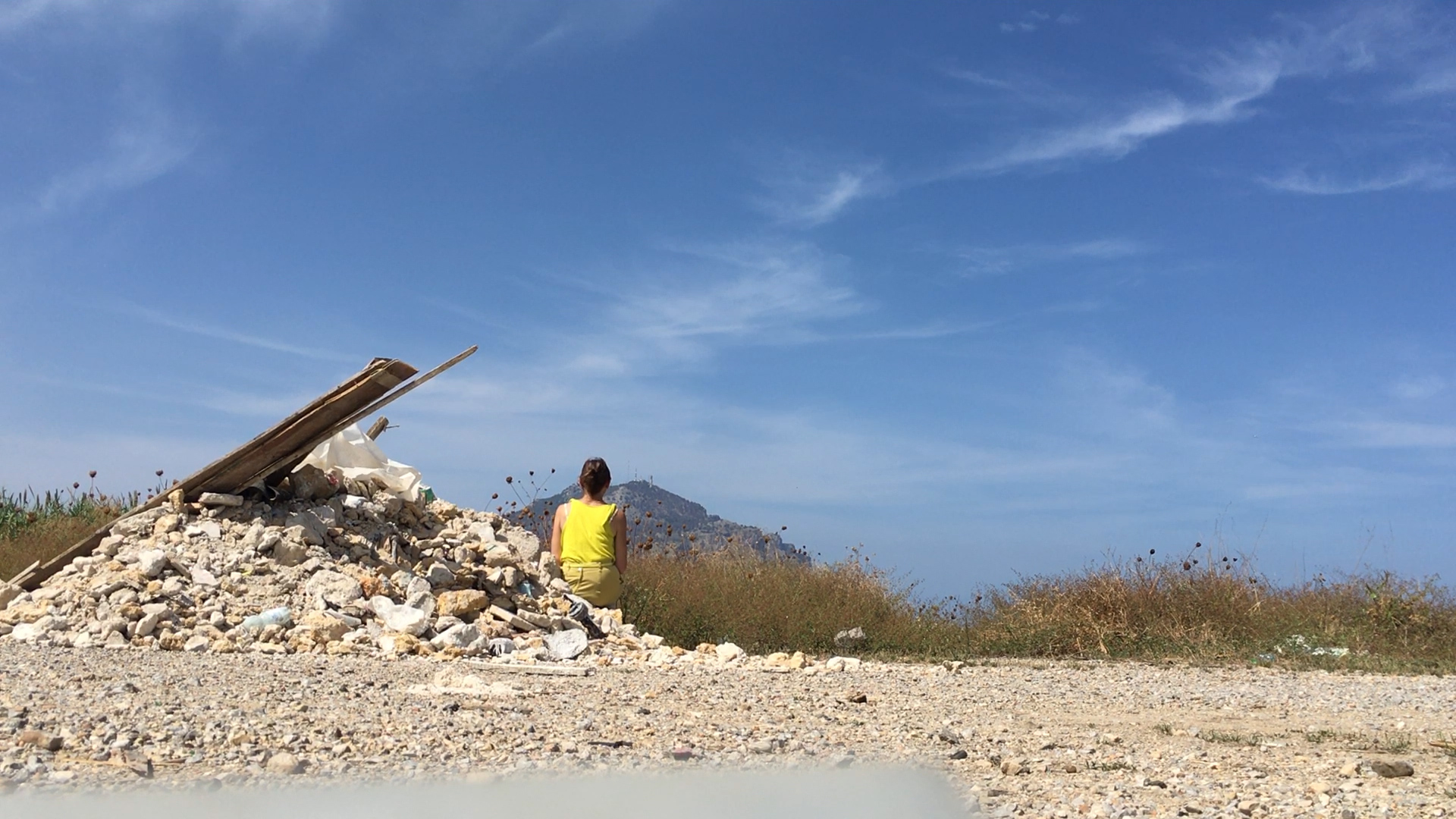
On my last day in Palermo, visiting Manifesta 12 a few weeks ago, I walked all the way to see one work from a bridge by the sea, at the outskirts of the city. And there I also made a short video, inspired by the title of the series City on Stage, which I misread ”city as stage”. I though that could be developed into a once-a-week type of series, made with my iPhone, and my little tripod, of handbag size, which I did not have with me in Palermo, of course. The rough sketch made with the iPhone leaning on my handbag shows a blurry shadow in the lower part of the image. I liked, however, the idea of simple and quick sketches made at the outskirts of cities or in places that I happen to visit. I edited three versionS of the small work: one where my movement into and out of the image is included (1a) one with the still pose only (1b) and one with a slow crossfade between the image with the human figure and the one without, a slow disappearance (1c). Here are stills from a and b:

Today in Bergen, Norway, I made another attempt, a quick sketch while waiting for the bus to the airport, placing my phone with the tripod on top of a rubbish bin and simply walking into the image, inspired by the presentations and discussions at the Artistic Research Forum I had enjoyed. And this time the city really served as a stage, because there were some passers-by performing with me. While waiting for the plane at the airport I edited two versions of the work, one with my movement included (2a) and one without (2 b). Here are stills from both of them:


Now, when I have made two sketches, in two cities, and when I know that with the right equipment it is rather easy, I can confirm that this is something I can try to keep up as a practice, at least while visiting various cities. The first video clips are available on the RC, here. This is not at all related to my project performing with plants, but rather linked to my previous attempts at performing landscape. There is something unpretentious in this way of making improvisatory notes that I like, anyway…
The Planetary Garden
The title of this years’ Manifesta, the European Nomadic Biennial, which changes host city every time, Manifesta 12 Palermo, is The Planetary Garden. Cultivating Coexistence. That is so directly connected to my research topic, performing with plants, that I simply had to go and see it, especially when I noticed that the garden was not only understood on a metaphoric level. One of the main venues, L’Orto Botanico, is the Botanical Garden founded in 1789. And of course the city of Palermo was seducing as well. I visited the place during Christmas 1975 and have very few memories of it, being stranded there, on my way to Tunis. I was very yong, trying to get away from Christmas celebrations and landing in the midst of the very Catholic city. I remember marveling at the amount nativity displays, which I had not seen before, and the huge bundles of Poinsettia branches, the red flowers that we had in pots and called Christmas stars. I spent Christmas Eve alone in a class z pension, burning a candle and eating dried figs, that is about all I can remember. It was about time to make acquaintance with the city, so now I spent three full days there, running around in all the rundown or abandoned palazzi that served as the venues for Manifesta, and really enjoyed the city.
The curatorial concept was divided into three strands: Garden of Flows, which “explores toxicity, plant life and culture of gardening in relation to the global commons”, Out of Control Room, which sees Palermo as “the ideal stage on which to test what space is now left for individual or collective, human or non-human political agencies”, and City on Stage, with Teatro Garibaldi as a place “to come together, start conversations, explore exhibitions and participate in live events open to the public”. Well, I did not have the chance to see any live events, only videos documenting some of them, nor did I make trips to the sites in the suburbs where some collaborations had taken place. There was plenty to see within walking distance. Many works hinted at the theme of garden, by including or referring to plants in some manner. Two works, however, I would like especially to remember.
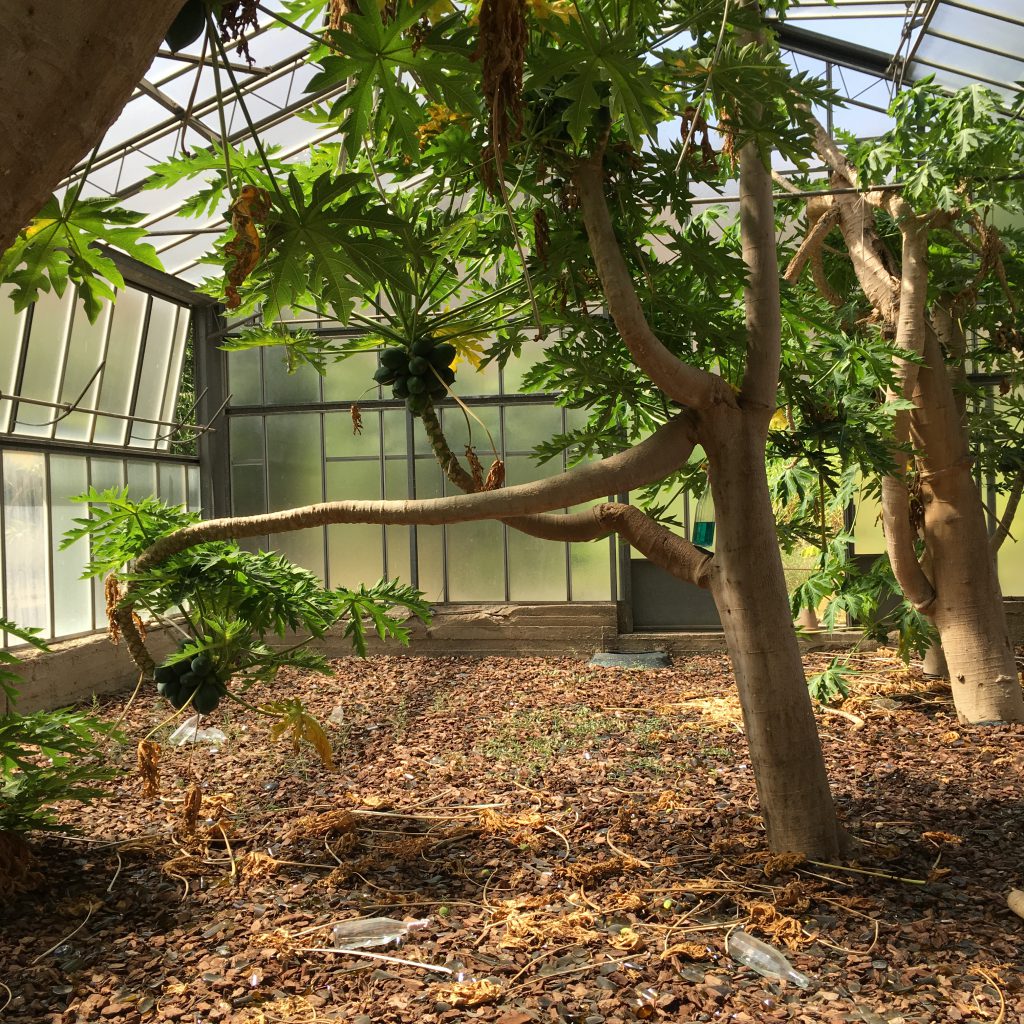
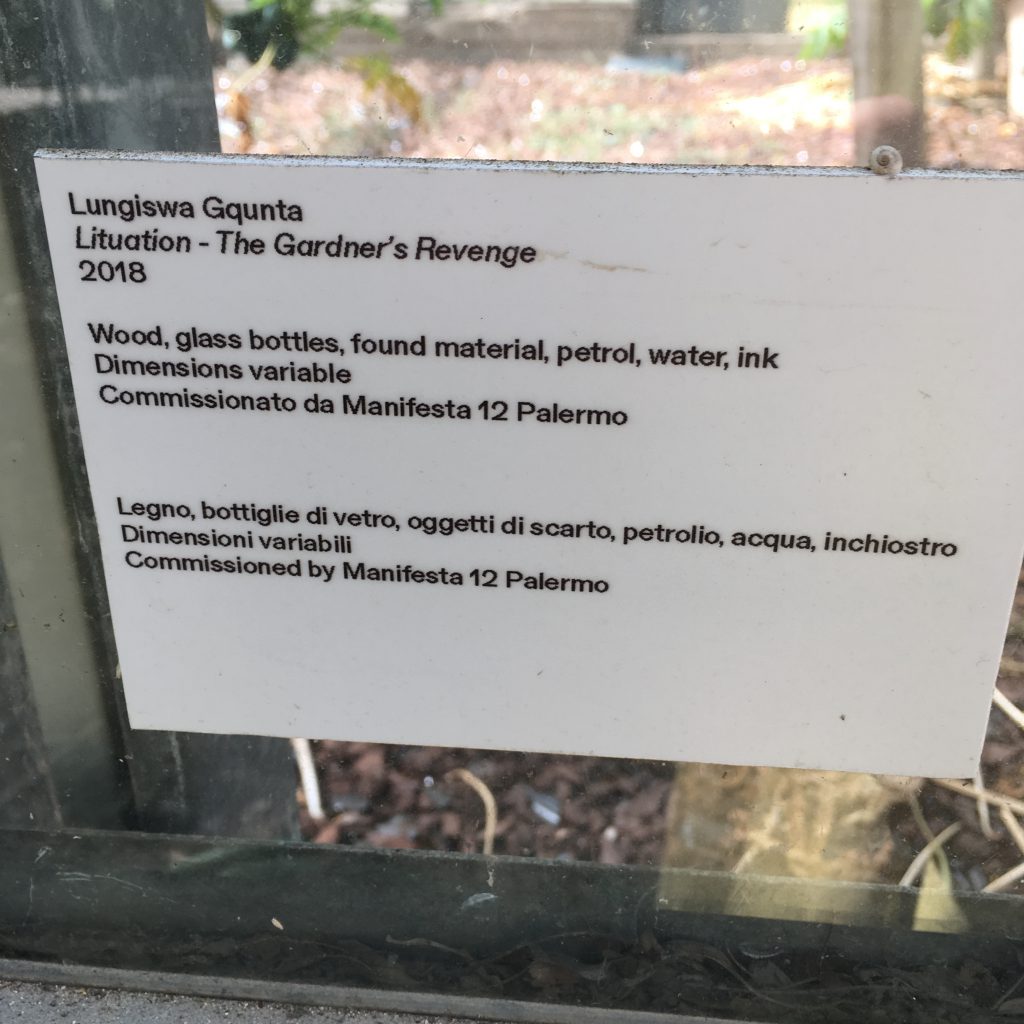
First of all the disturbing installation by Lungiswa Gqunta “Lituation – The Gardner’s Revenge”, a mixture of litter, glass bottles, petrol, papaya trees and more, a creepy replica of what many urban gardens actually look like. According the program, in the words of the artist, I suppose: “This garden is a contested landscape, one we water with liquid that will ignite the masses because the revolution is lit”.
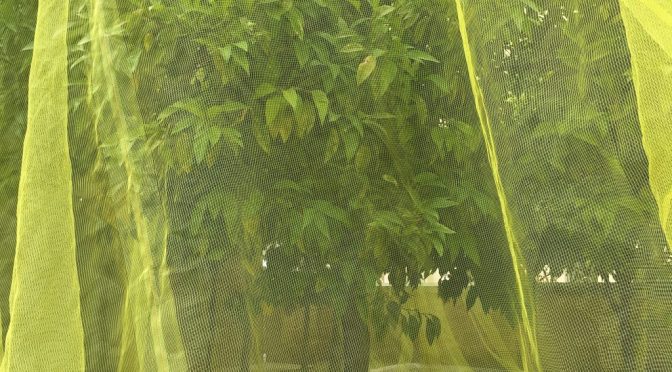
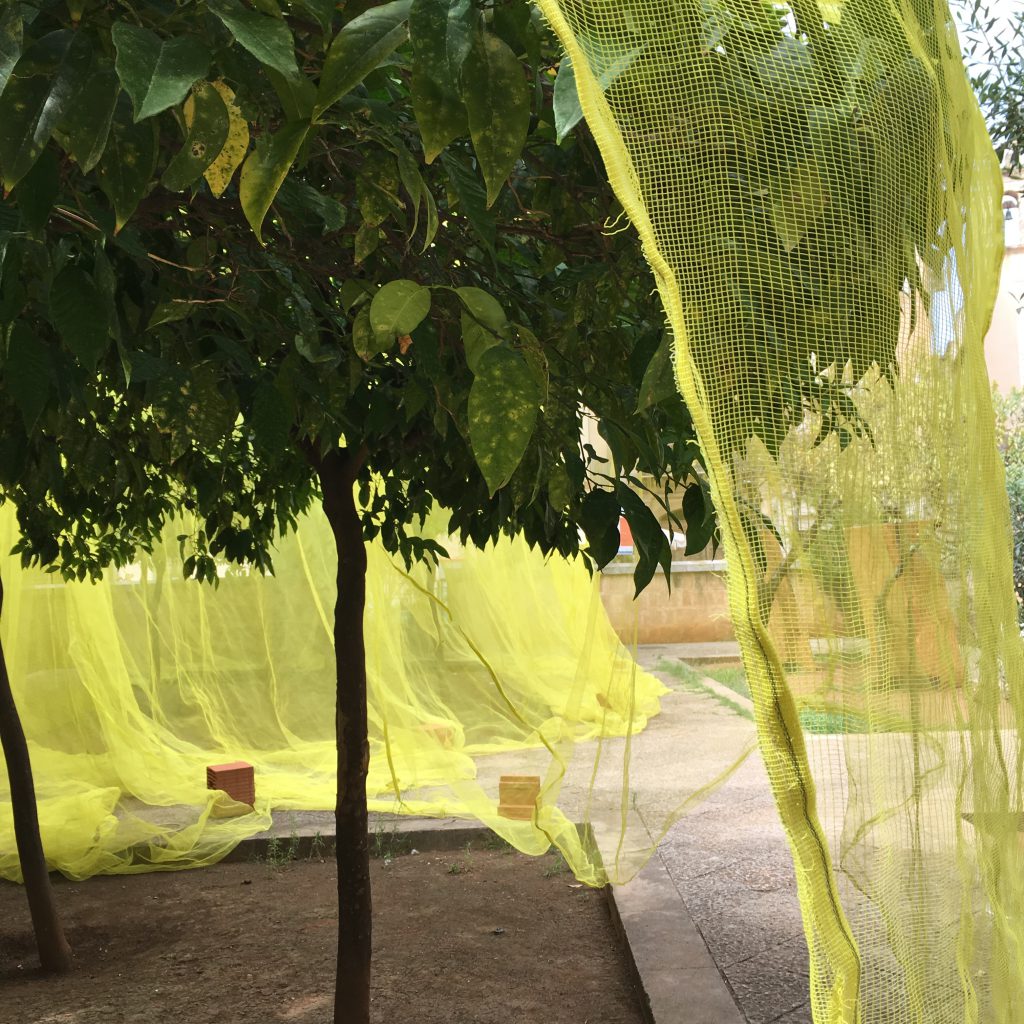
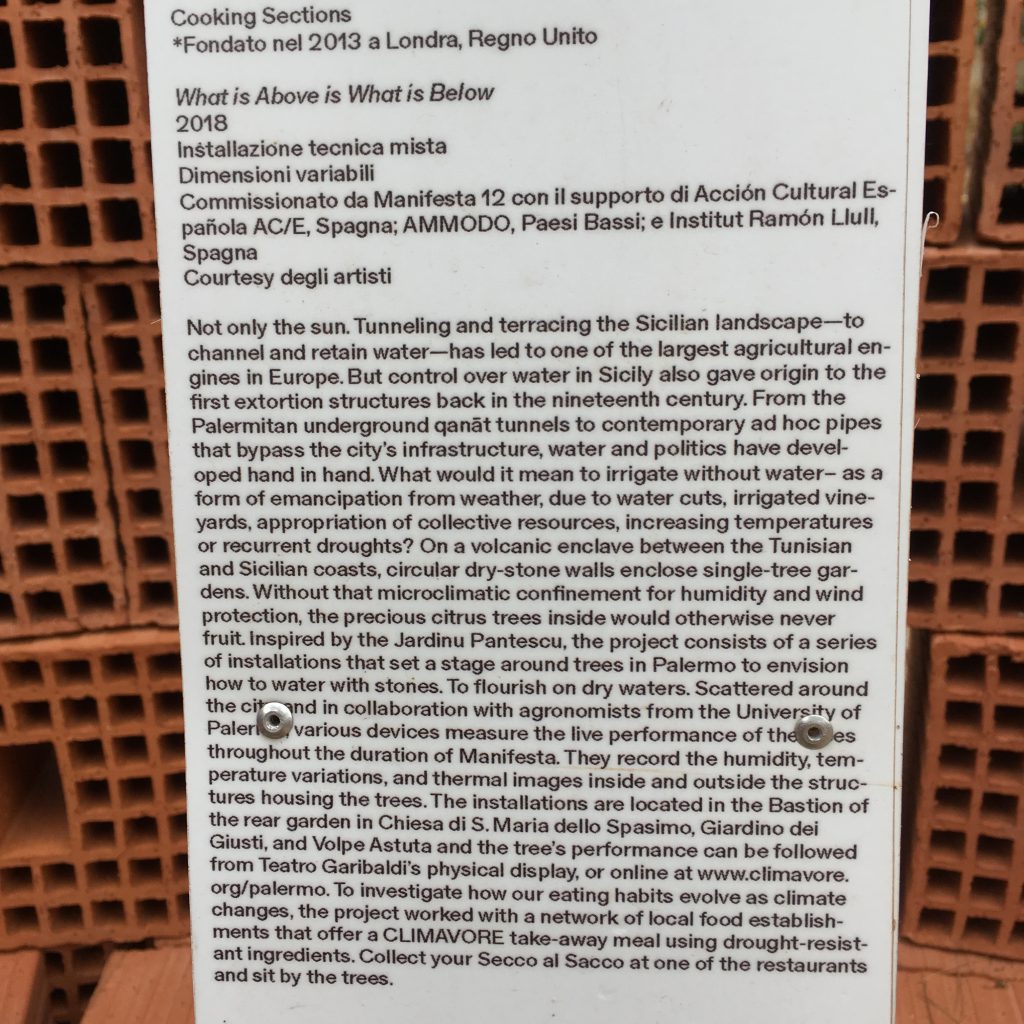
Another work that was disturbing in a different way, trying to be useful, experimenting with the idea of cultivation in collaboration with scientists and local food establishments, was called “What is Above is What is Below”, by Cooking Sections, a group founded in London 2013 consisting of Alon Schwabe and Daniel Fernández Pascual. I bumped into one part of the work in the form of citrus trees in the small Giardino Dei Gusti covered with yellow gauze, in an experiment to “water without water”. By the ruined Chiesa di S. Maria Dello Spasimo there was a related experiment with citrus trees enclosed by circular brick walls, a contemporary interpretation of the traditional mode of planting a tree in an enclosed yard.


More about the program and these works can be found at the manifesta 12 website.

Backantinnorna i Brunnsparken
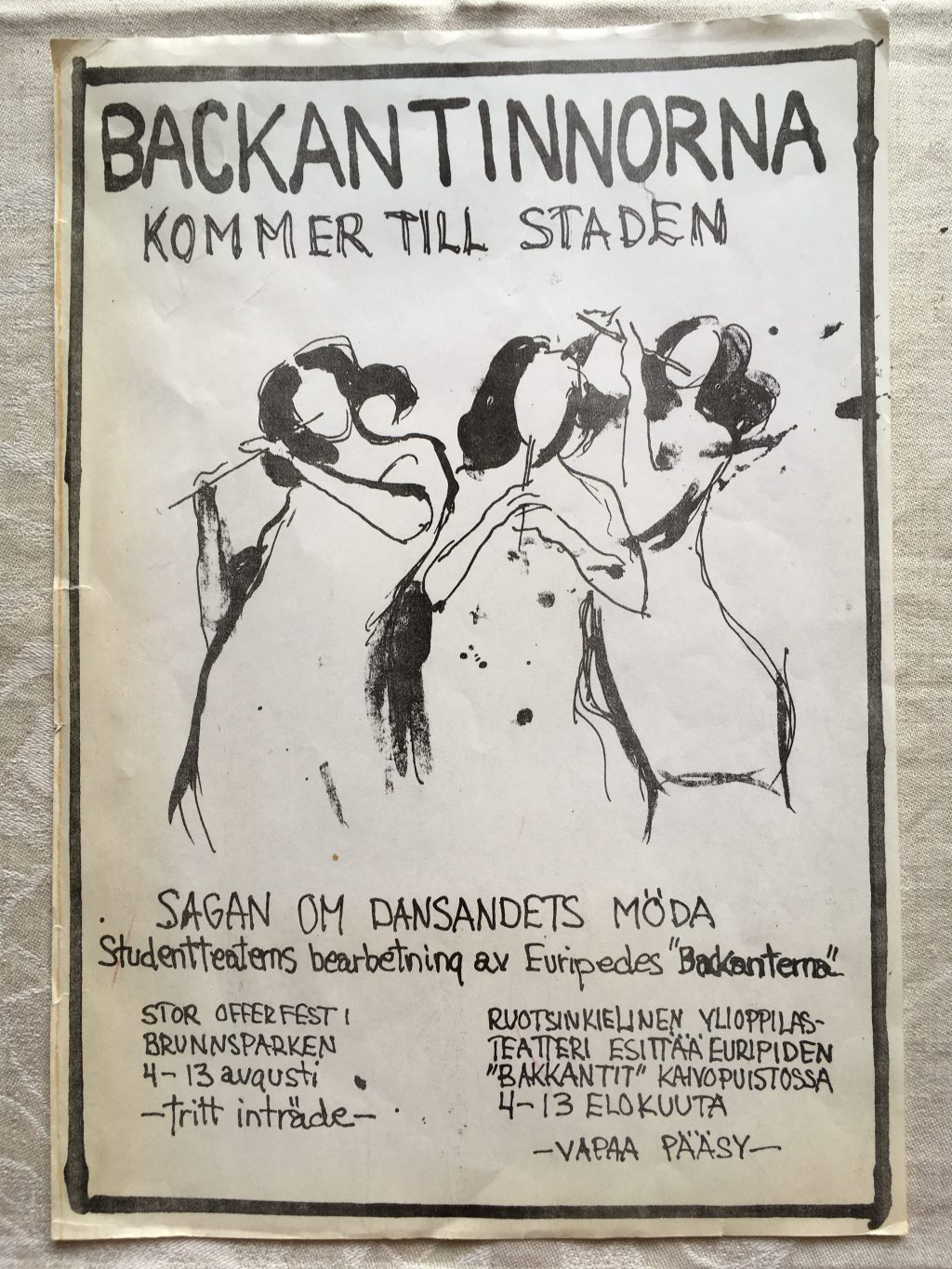
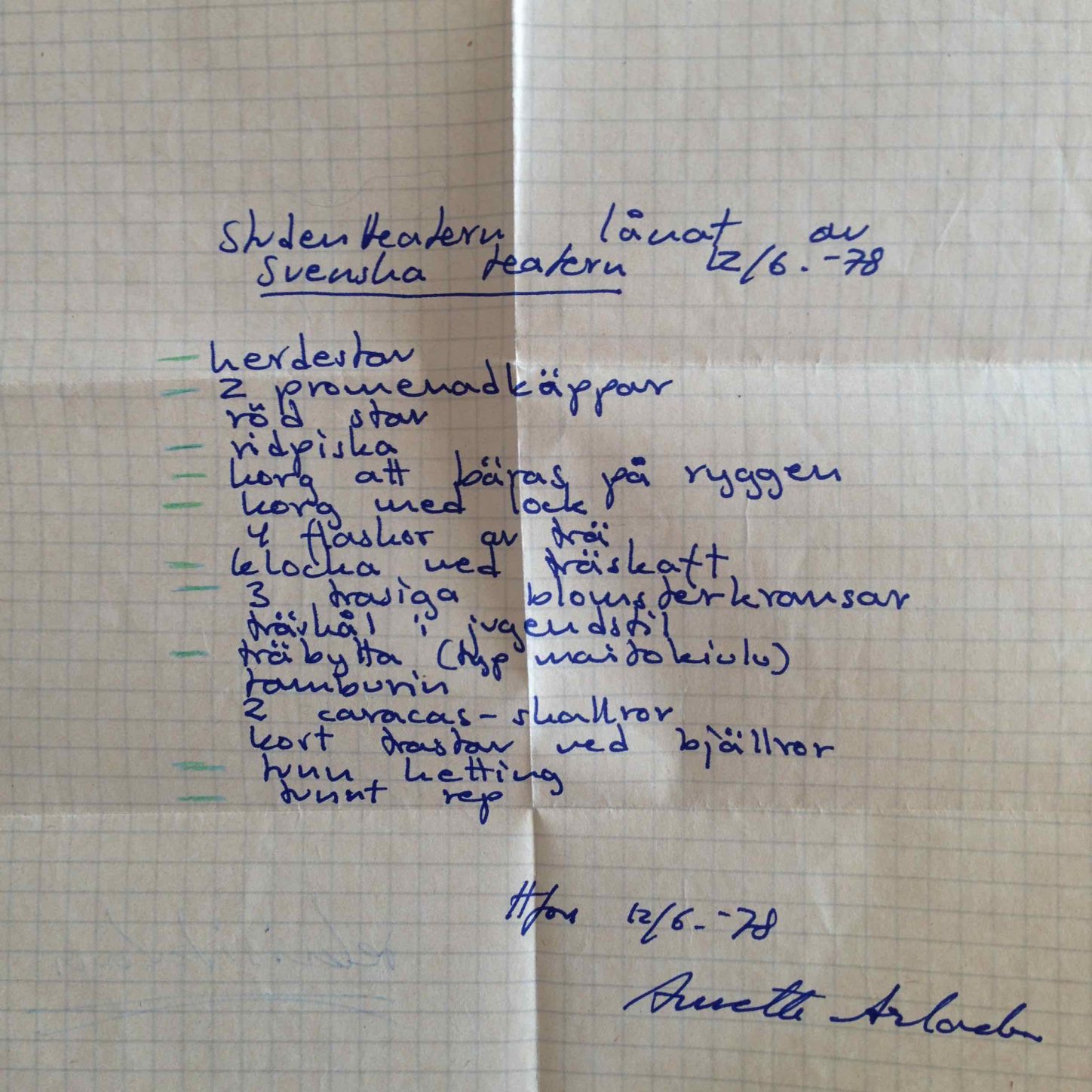
Sommaren 1978 var speciell i Helsingfors, på många sätt, men åtminstone för den generation ungdomar som återupplivade den svenska Studentteatern och satte upp Euripides sista pjäs som ”Backantinnorna eller Sagan om dansandets möda” i Brunnsparken, med premiär 4 augusti 1978. Och i varje fall för mig, som i egenskap av första årets regielev hade möjligheten att bli en del av den kollektiva och revolutionerande anarkistiska och feministiska energin. Det är där mitt liv som konstnär inleddes, och jag brukar skryta med att jag började med en produktion där vi samarbetade i en grupp på 48 personer, för att så småningom komma fram till ett arbetssätt där jag jobbar helt på egen hand. Min tanke var att skriva mer om vad som var viktigt och värdefullt och fortfarande på något sätt relevant i vår tolkning, och att jag då faktiskt inget visste om ”Dionysos in 69” eller andra legendariska versioner av pjäsen – till exempel att backantinnorna inte följde guden Dionysos, utan tvärtom valde ut någon bland sig själva för att ikläda sig rollen som den manliga guden för att gå i dialog med matkhavare, en ny person för varje scen, eller att kung Pentheus moder Agaue inte deltar i mordet på sin son i ett rustillstånd, som hon tragiskt vaknar från på slutet, utan som i en medveten och planerad offerhandling. Men efter att ha deltagit i en picnic i Brunnsparken igår, den 25 augusti, och träffat många av dem som var med, finns det plötsligt alltför mycket att minnas, alltför mycket att skriva om… Se bilder här… Så jag ger helt enkelt upp, och låter arkivmaterialet uppträda istället, – kolla prologen! – och kanske väcka minnen hos dem som kommer ihåg en tid innan internet och alla våra nutida hjälpmedel
program
prologen
manus
Recensioner och puffar:
HBL-puff 1-2
Ny tid puff-1-2
Halme 1-2
IS-1-2
stud-blad-1-4
Hbl
Ny tid
HS





Revisiting the Spruce and the Rock
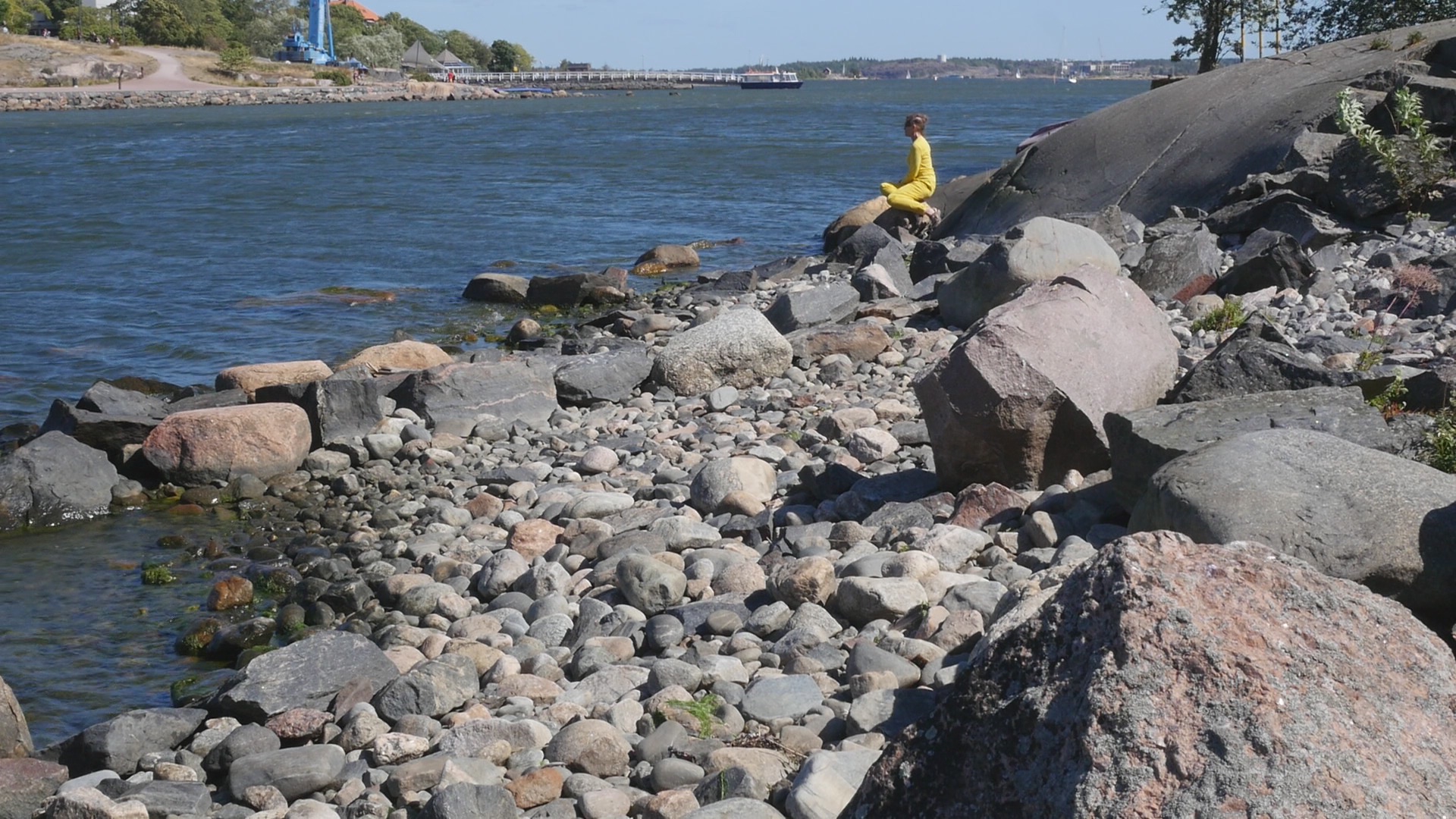
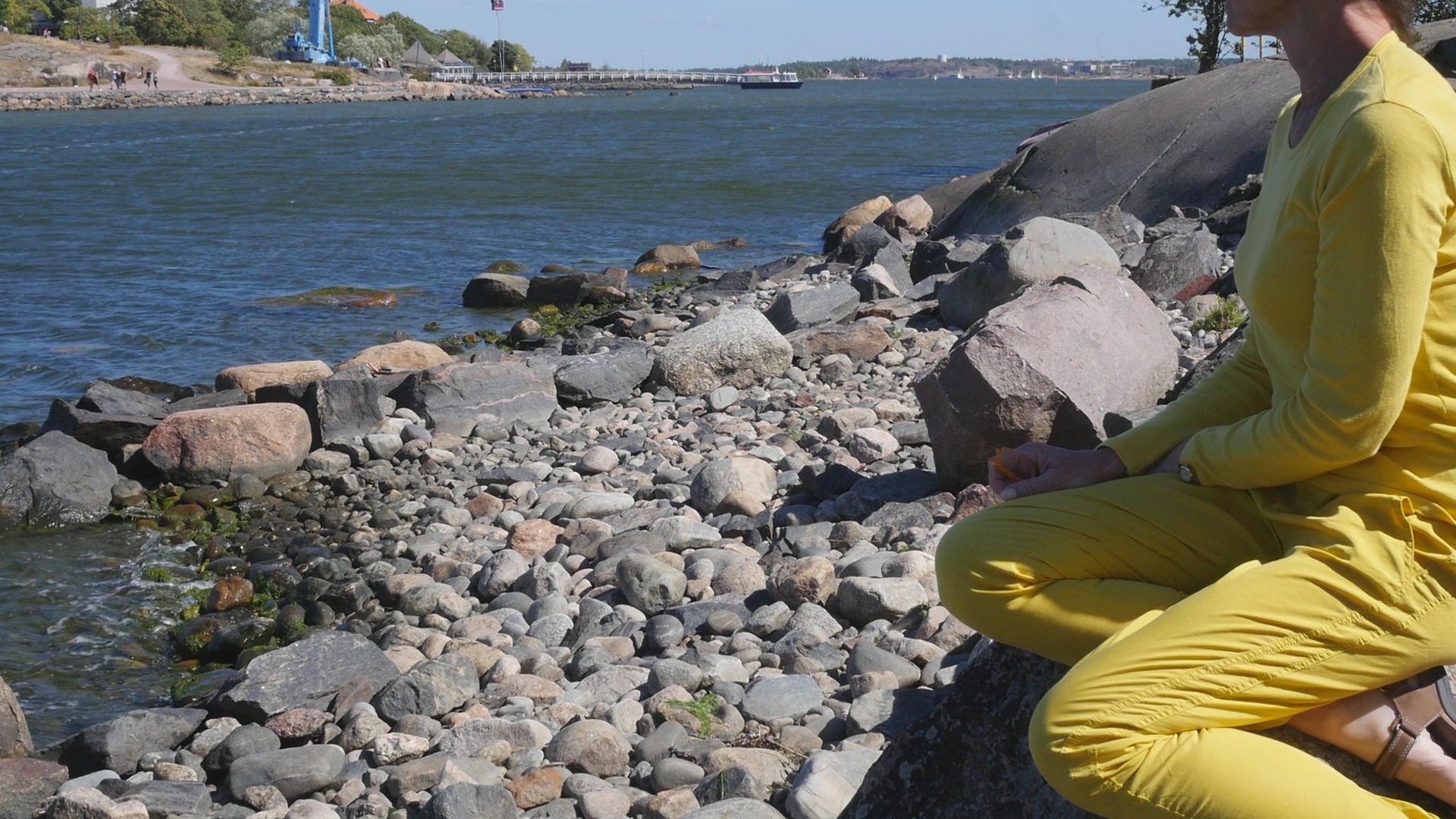
There is only one spruce tree growing on Harakka Island, so it makes sense to speak of revisiting the spruce. There are more rocks than one, however, so revisiting the rock sounds slightly strange. These visits are linked to my work with Animal Years, a series of yearly projects, weekly performances for camera on the island during the years 2002-2014. And they could take place now because of my sitting as a gallery guard on the island for more than a week, taking care of the small exhibition Trees in Victoria in the old Telegraph (3-12.8.2018) The specific rock in question is the one I was sitting on in 2008 while posing as something resembling the little mermaid, or her sculpture in Copenhagen, and later edited the material into the work Year of the Rat – Mermaid 1-2 as well as Day and Night of the Rat – Mermaid. That year there was no proper ice, no more than what is shown in these images:


The “re-enactment” happened on a windy day, and I sat and hold on to the tripod after it almost tumbled over on the rocks. Although I managed to recreate the image fairly well, despite the water level being quite low, I forgot that the new proportions would leave my head out of the image. Well, the feet were the important part, anyway:
The spruce has also figured in a work, Under the Spruce I-III, made in the year of the pig, 2007, and edited into a three-channel installation. There my performing for camera is really invisible; the human figure sitting under the spruce is not discernible in most of the images. The spruce is video recorded from three different perspectives.


The idea was to insert all three images into one larger image of the spruce in full size. I made one version first, but the following day, while walking around, I noticed that a full portrait of the spruce might be easier from another angle.
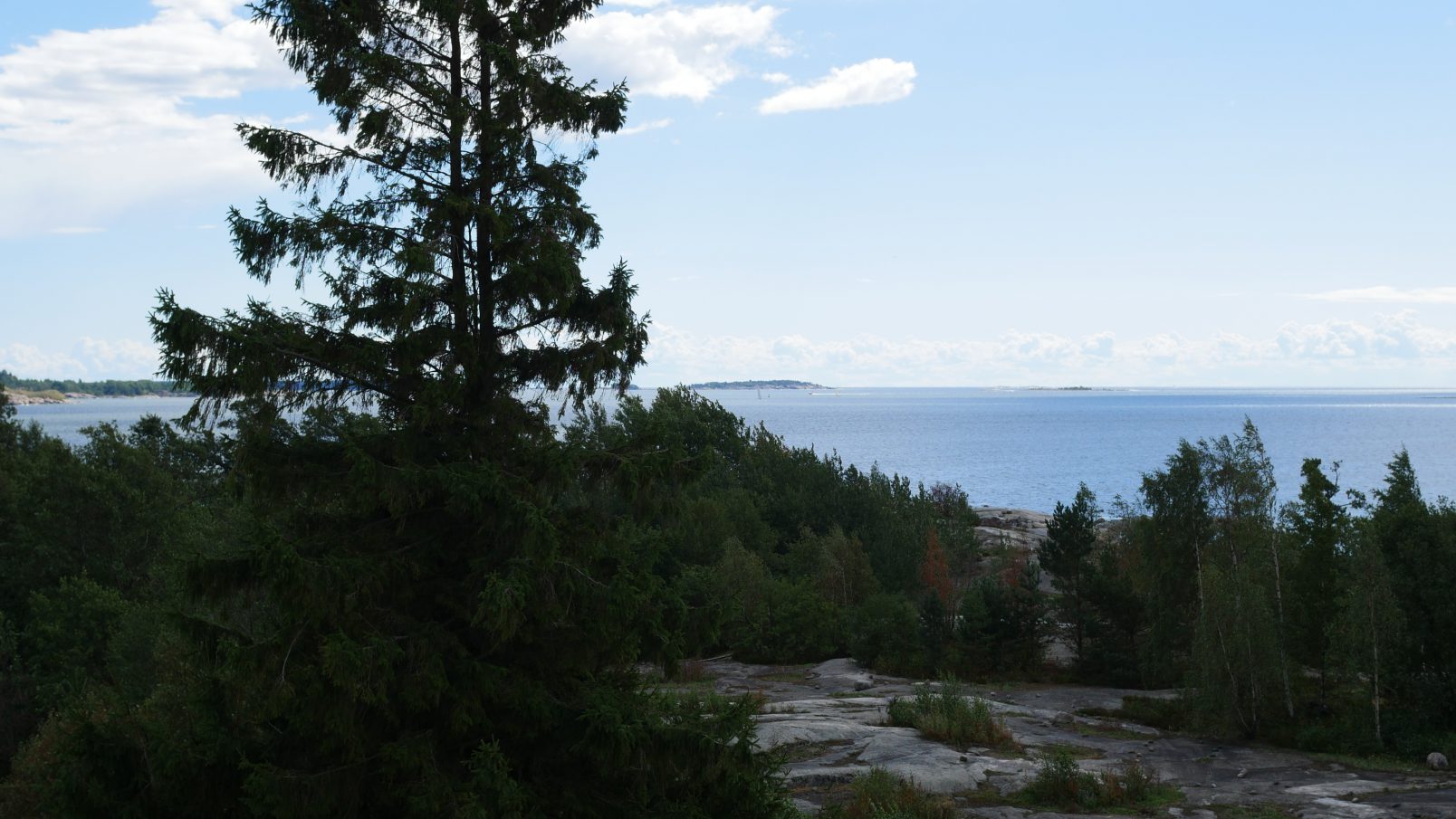
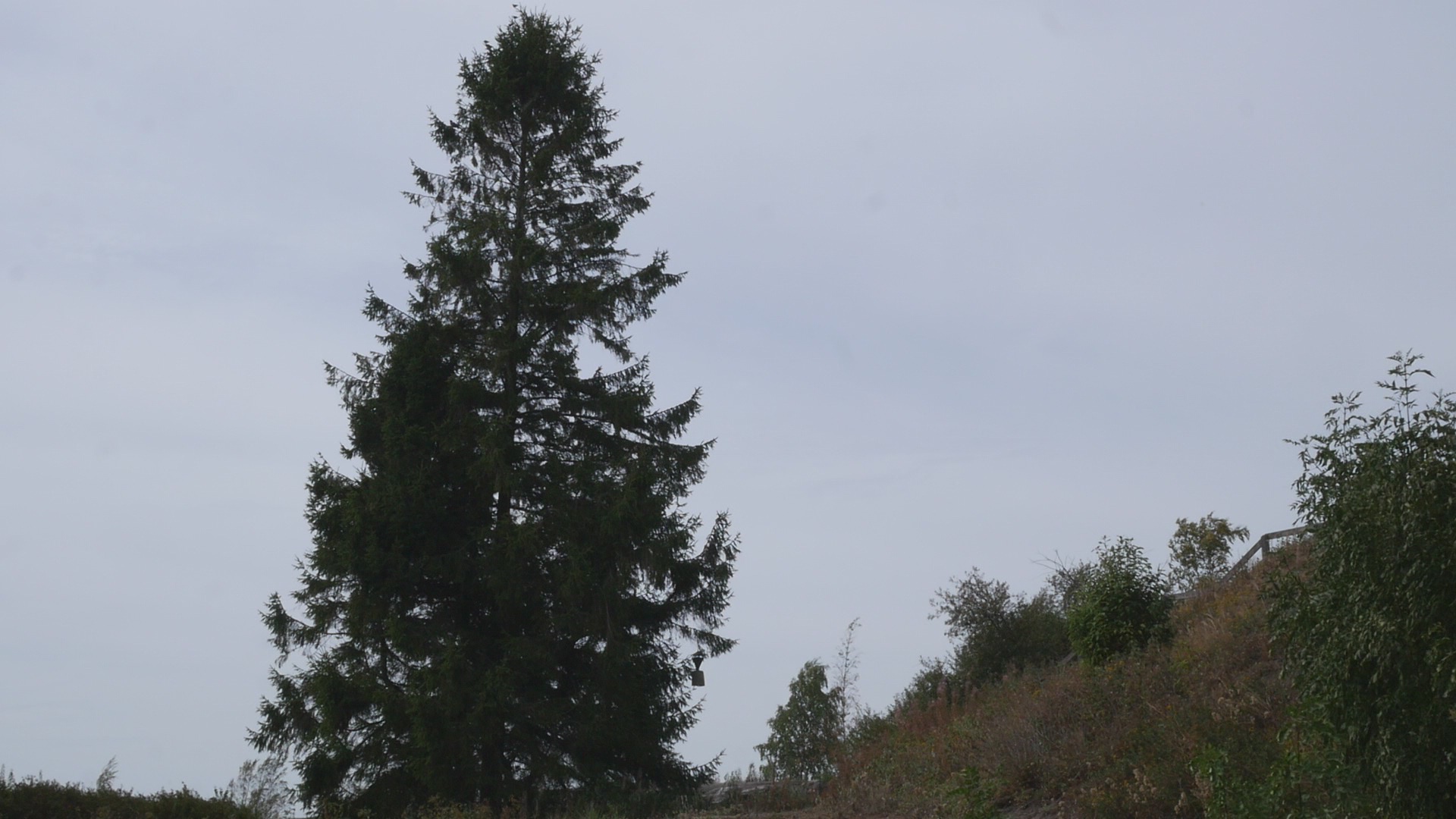
Besides the rock and the spruce I also recorded a long take of the cliff on the northwestern shore in order to create a base image to insert the videos of the installation Year of the Pig – Installation or perhaps rather the two parts of shorter version Year of the Pig – Sitting on a Cliff I-II (short).


The cliff is steep, and it was difficult to frame a recognizable image; I might as well have recorded only the sea, or then tried from a boat, but a moving image would be something completely different, of course. A simple and rather steep shoreline is all I got:

I am not sure if I will make all these compilations, but at least it is worth trying. Year of the rat (2008) was the last year I used a DV camera and recorded images in TV-format. The quality is fairly poor, and inserting the images in a “proper” base image makes for a clear upgrade. And perhaps my little exercise on the rock has some value, mainly due to my funny bright yellow outfit…
“Trees in Victoria” på Stora Räntan
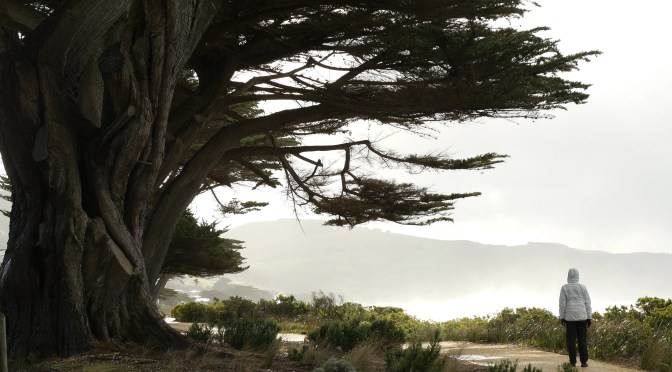
Utställningen “Trees in Victoria” hade vernissage igår i Telegrafen på Stora Räntan och pågår 3.-12.8. 2018. Den innehåller två video-installationer (som split-screen videon) Trees in Victoria (Apollo Bay) 14 min 30 sec., och Trees in Victoria (Lorne), 13 min 40 sec., båda inspelade på respektive orter, Apollo Bay och Lorne, i Victoria i södra Australien under en vecka efter konferensen PSi #22 i Melbourne i Juli 2016 och sedan editerade under 2017.
Det finns en bloganteckning från resan I Victoria, här
Båda arbetena finns också på Research catalogue som små filer, här
Utställningen pågår bara en vecka, är öppen tisdag till söndag från klockan tolv till 18.00. Jag sitter själv som gallerivakt – det blir min semester för i år…


“Trees in Victoria” Harakan saarella
Näyttely “Trees in Victoria” avattiin eilen Harakan Lennättimessä ja jatkuu 3.-12.8. 2018. Se sisältää kaksi videoinstallaatiota (split-screen videoina) Trees in Victoria (Apollo Bay) 14 min 30 sek., ja Trees in Victoria (Lorne), 13 min 40 sek. Kummatkin on kuvattu nimensä mukaisella paikkakunnalla, Apollo Bay ja Lorne, Victorian osavaltiossa eteläisessä Australiassa viikon aikana Melbournessa järjestetyn PSi#22 konferenssin jälkeen heinäkuussa 2016 ja sitten editoitu vuoden 2017 aikana. Victorian matkalta on olemassa blogimerkintä, täällä
Molemmat työt löytyvät myös på Research Catalogue -alustalta pieninä tiedostoina, täältä
Näyttely jatkuu vain viikon ajan, ja on avoinna tiistaista sunnuntaihin klo 12-18.00. Istun itse näyttelyvahtina – siitä tulee lomani tänä vuonna…
 Performing Landscape